As children grow, their needs change quickly, and a home that once worked perfectly may no longer provide the same level of comfort, safety, or functionality. Families often find themselves looking for practical ways to adapt their living spaces without completely renovating their homes. Thoughtful improvements can help create an environment that supports learning, play, relaxation, and everyday routines while making life easier for parents.
Creating a family-friendly home involves more than adding extra storage or repainting a bedroom. It requires careful planning to ensure that each area remains useful as children move through different stages of life. By focusing on practical upgrades that support both current and future needs, families can create spaces that remain functional, welcoming, and adaptable for years to come.
Boost Energy Efficiency to Support Family Budgets
Energy efficiency matters more as family needs grow. More laundry, longer showers, extra electronics, and frequent heating or cooling can increase household costs. Families can reduce waste by sealing drafts, improving insulation, using efficient lighting, and maintaining heating and cooling systems.
Some home upgrades can also improve comfort while lowering monthly expenses. Windows play an important role in maintaining indoor temperatures and preventing unwanted heat loss or gain throughout the year. Older or inefficient windows may allow drafts that make heating and cooling systems work harder than necessary. Families looking to improve indoor comfort and reduce energy loss may benefit from working with a trusted window replacement company to explore solutions that support long-term efficiency. These improvements create a more comfortable home for children while helping parents manage long-term household budgets.
Prioritize Safety in High-Traffic Areas
Safety remains one of the most important considerations for families with children. Areas such as stairways, hallways, kitchens, and entryways experience constant activity throughout the day. Improving these spaces can help reduce accidents and create a more secure environment for everyone. Features such as non-slip flooring, sturdy handrails, and improved lighting can make a noticeable difference in daily safety.
As children become more active and independent, potential hazards often increase. Families should regularly assess their homes for risks that may not have been a concern before. Securing furniture, improving visibility in busy areas, and keeping pathways free from clutter can help prevent common household injuries. Small safety-focused improvements often provide significant benefits while allowing children to explore and move confidently throughout the home.
Improve Natural Light and Indoor Comfort
Natural light plays an important role in creating a welcoming and productive home environment. Bright spaces can make rooms feel more open while supporting activities such as reading, homework, and creative projects. Families often benefit from maximizing sunlight in common areas where children spend most of their time. Well-lit rooms can also reduce the need for artificial lighting during the day, helping improve overall energy efficiency.
Indoor comfort extends beyond temperature control. Good airflow, reduced drafts, and consistent indoor conditions contribute to a more enjoyable living experience throughout the year. When homes maintain a comfortable atmosphere, children can focus more effectively on schoolwork, play, and relaxation. Improvements that enhance both natural light and comfort can make everyday life more pleasant while supporting the changing needs of a growing family.
Add Smart Storage Solutions for Growing Families
Children collect toys, books, school supplies, clothes, and activity gear quickly. Without proper storage, these items can spread into every room and make daily routines harder. Families can use labeled bins, built-in shelves, closet organizers, and under-bed storage to keep essentials easy to find.
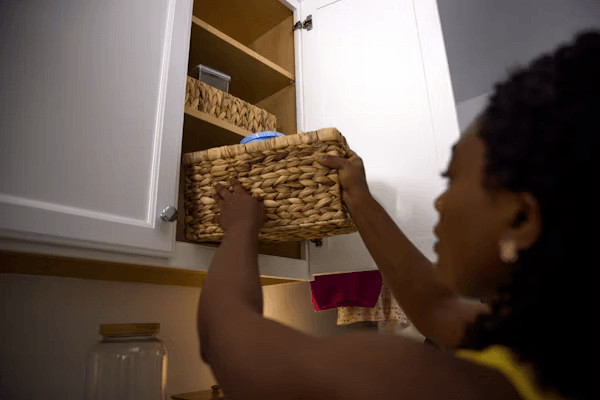
Storage should also match a child’s age and independence level. Lower hooks, open baskets, and reachable drawers help kids put items away on their own. This approach supports better organization while reducing clutter in shared family spaces.
Design Outdoor Areas for Family Fun
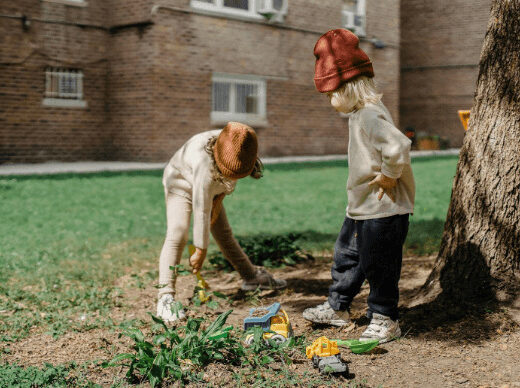
Outdoor spaces can give children more room to move, play, and explore safely. Families can create simple activity zones with soft ground surfaces, shaded seating, and open areas for games. A well-planned yard can support both active play and quiet family time. Creating dedicated areas for backyard play can also encourage children to spend more time outdoors and stay physically active.
Parents should also consider visibility and safety when improving outdoor areas. Clear walkways, secure fencing, and proper lighting help make the space more practical. These changes encourage children to spend time outside while giving parents greater peace of mind. A thoughtfully designed outdoor space can become a valuable extension of the family home.
Building a Home That Supports Every Stage
A family home should adjust as children grow, routines change, and household priorities shift. Practical improvements can make daily life safer, more organized, and more comfortable. Parents do not always need large renovations to create meaningful results.
By focusing on flexible spaces, smart storage, safety, comfort, and efficiency, families can build a home that supports both children and adults. Thoughtful planning helps each room serve a clear purpose today while remaining useful in the years ahead.