
Designing a child’s bedroom is about more than choosing attractive furniture and matching colours. It’s an opportunity to create a space where children can play, learn, explore their creativity, and feel comfortable being themselves.
A well-designed bedroom should reflect your child’s personality while remaining practical for everyday activities. From organizing toys and books to creating areas for reading and hands-on projects, thoughtful design choices can make the room both functional and enjoyable.
You don’t need a large budget or professional decorating skills to create an inviting space. Many bedroom improvements can become fun DIY projects that parents and children work on together.
Here are some creative ideas for designing a stylish kids’ bedroom that combines comfort, imagination, and functionality.
Choose a Colour Scheme Together
Colour is one of the easiest ways to transform a child’s bedroom. The right combination can make the space feel cheerful, comfortable, and welcoming.
Start by asking your child which colours they enjoy. Some children prefer bright shades such as yellow, blue, or green, while others may like softer colours or neutral backgrounds with colourful accessories.
Instead of painting every wall a bold colour, consider using a neutral base and introducing brighter shades through bedding, artwork, rugs, and decorative accessories. This approach makes future updates easier as your child’s interests change.
For a hands-on activity, let your child create a simple mood board using coloured paper, magazine pictures, fabric samples, and drawings. Arrange the materials together to explore different combinations before making final decisions.
You can also create a feature wall using removable decals or handmade artwork. Themes such as outer space, animals, forests, or underwater adventures can be introduced without expensive renovations.
The goal is to create a room that your child enjoys while allowing enough flexibility for their tastes to evolve.
Plan a Functional Bedroom Layout
Before buying furniture or decorations, think about how your child uses their bedroom throughout the day.
Most children’s bedrooms need space for sleeping, storing belongings, getting dressed, and enjoying personal activities. Depending on your child’s age, the room may also need a study desk, reading corner, or creative workspace.
Begin by measuring the room and identifying the locations of windows, doors, and electrical outlets. Sketch a simple floor plan showing where the larger furniture pieces could go.
Involve your child in the process by drawing a basic room map together. Older children can use graph paper to explore different furniture arrangements, while younger kids may enjoy moving paper cutouts representing beds, desks, and shelves.
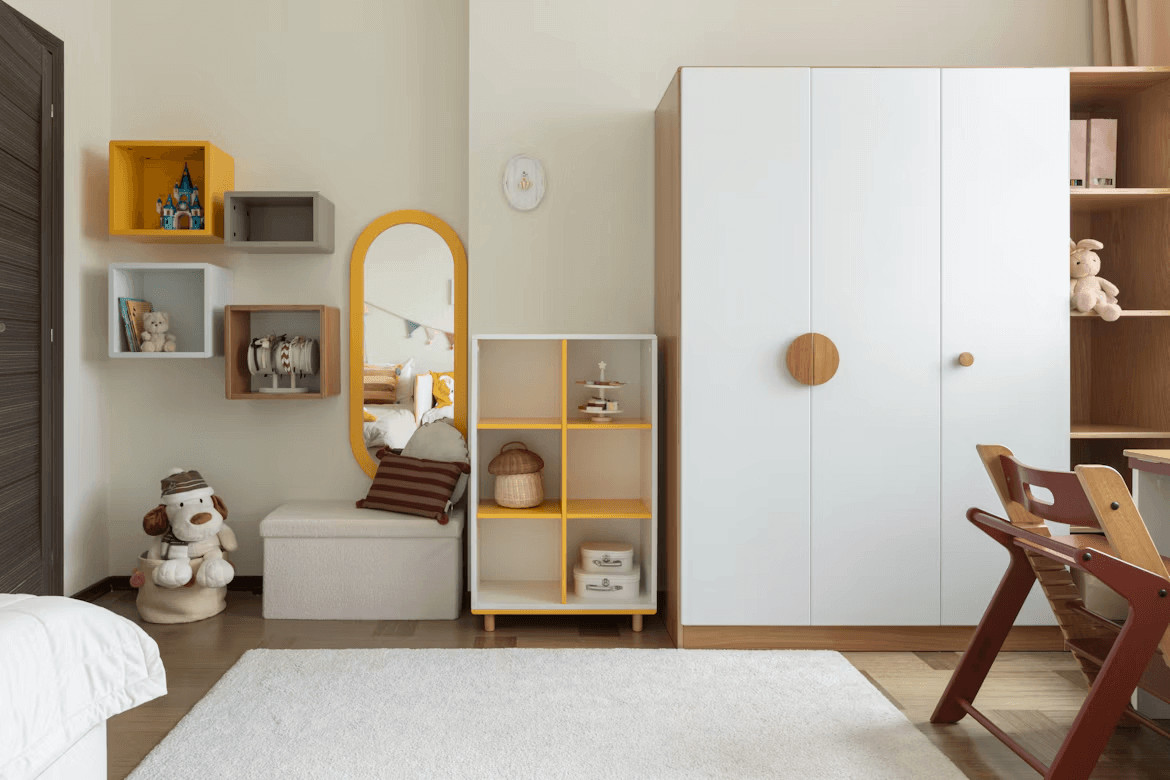
Keep frequently used items within easy reach and leave enough open floor space for comfortable movement.
For families planning a more extensive bedroom makeover, professional interior design services can provide guidance on furniture placement, colour coordination, and making practical use of the available space.
Whether you’re working with a designer or handling the project yourself, focus on creating a layout that suits your child’s everyday needs rather than simply filling the room with furniture.
Choose Furniture That Grows With Your Child
Children’s needs change quickly, so selecting adaptable furniture can help you avoid frequent replacements.
Look for sturdy pieces that offer practical storage and can remain useful as your child grows. A simple bed frame, a durable dresser, and an adjustable desk may provide better long-term value than highly themed furniture.
For smaller bedrooms, consider beds with built-in drawers or storage compartments underneath. These provide additional space for blankets, clothing, or toys without requiring extra cabinets.
A desk can serve multiple purposes, from colouring and building models to completing homework as your child gets older.
Safety should always be a priority. Secure dressers and shelving units to the wall using appropriate anti-tip hardware, and keep heavy objects away from high shelves. If you’re considering a bunk bed, follow the manufacturer’s age restrictions and safety instructions.
Choose furniture with finishes that are easy to clean, particularly if your child enjoys painting, drawing, or other creative activities.
Decorate With DIY Wall Art
Personalized wall decorations can make a bedroom feel special without requiring expensive artwork.
Instead of buying everything from a store, encourage your child to create decorations that reflect their interests and imagination.
One simple project is a rotating art gallery. Hang a lightweight display board or install a suitable picture ledge where your child can showcase favourite drawings and paintings.
You could also make a name sign using cardboard or wooden letters. Let your child choose the colours and decorative details, then display the finished sign above a desk or another suitable area.
For an adventurous theme, create paper mountains, planets, or animal silhouettes to decorate the walls.
Another idea is to make a memory board with photographs, postcards, and drawings from family activities.
Use safe, lightweight materials and age-appropriate craft supplies. Adults should handle installation tasks involving drills, nails, or other tools.
These projects allow children to contribute to their bedroom design while developing creative skills.
Create a Dedicated Arts and Crafts Corner
If your child enjoys making things, setting aside a small creative workspace can encourage regular hands-on activities.
You don’t need a separate room or expensive furniture. A compact table, comfortable chair, and organized storage containers may be enough to create a practical craft corner.
Keep frequently used supplies such as crayons, paper, coloured pencils, and washable markers within easy reach. Store scissors, adhesives, and other materials according to your child’s age and ability.
Use labelled containers to separate different supplies and make cleanup easier.
For an inexpensive DIY storage project, decorate sturdy cardboard boxes with colourful paper or paint. Let your child create picture labels showing what belongs inside each container.
Consider placing a washable mat beneath the table to protect the flooring during messy activities.
A dedicated creative space allows children to work on projects independently when appropriate and helps keep craft materials organized.
Design a Cozy Reading Nook
A reading corner can turn an unused part of a bedroom into a comfortable place for quiet activities.
Choose a location with suitable lighting and enough room for your child to sit comfortably. Add a small cushion, a soft rug, or a child-sized chair.
Place a low bookshelf or accessible book basket nearby so your child can easily choose something to read.
For a DIY touch, let your child decorate a cardboard book holder or create colourful bookmarks using paper, stickers, and ribbon.

You might also hang their favourite book illustrations or handmade drawings nearby.
Keep the area simple rather than filling it with too many accessories. A comfortable seat, accessible books, and appropriate lighting are usually enough.
As your child grows, the nook can become a space for independent reading, journaling, or quiet relaxation.
Use Lighting to Make the Room Comfortable
Lighting plays an important role in how a bedroom looks and functions.
A combination of general lighting, task lighting, and softer lighting can help accommodate different activities throughout the day.
Overhead lighting provides general illumination, while a desk lamp can make reading, drawing, and homework easier. A soft night light may be helpful for children who prefer some illumination at bedtime.
Natural daylight is also valuable. Arrange furniture to make practical use of windows while keeping beds and other climbable furniture away from window hazards.
Avoid leaving accessible cords, loose electrical cables, or unsuitable decorative lights within reach of young children.
For a creative project, decorate a lampshade with suitable materials only if the manufacturer permits it. Never cover bulbs, ventilation openings, or electrical components.
Choose lighting that is comfortable, functional, and appropriate for your child’s age.
Make Storage Easy and Accessible
A stylish bedroom is easier to maintain when toys, clothes, books, and creative supplies have designated places.
Instead of relying on complicated storage systems, use simple solutions that children can manage independently.
Low shelves, lightweight baskets, and clearly labelled containers make it easier for children to find their belongings and put them away after use.
For a fun family project, decorate storage boxes with paint, stickers, or patterned paper. Younger children can add pictures of the items stored inside, while older kids can create written labels.
Organize belongings into categories such as building toys, art supplies, books, and stuffed animals.
If space is limited, under-bed storage containers can help keep seasonal clothing and less frequently used items out of the way.
Remember to secure appropriate furniture to prevent tipping and avoid storing heavy objects where they might fall.
An accessible storage system can encourage children to take responsibility for maintaining their personal space.
Add Personal Touches That Reflect Their Interests
A child’s bedroom should feel like their own space rather than a room designed entirely around an adult’s preferences.
Invite your child to choose a few meaningful items to display, such as favourite photographs, handmade crafts, collected souvenirs, or completed building projects.
If they enjoy nature, consider adding botanical artwork or a small, non-toxic houseplant placed appropriately for their age. Caring for a plant can also become a simple family learning activity.
Children interested in science might enjoy a display shelf for rocks, models, or educational projects. Young artists may prefer a wall dedicated to their latest creations.
Use removable decorations when possible so the room can change without requiring major updates.
Rather than purchasing every accessory at once, allow the design to develop gradually as your child discovers new interests.
This approach makes the bedroom more personal and reduces unnecessary spending.
Make Bedroom Design a Family Project
Redecorating a child’s bedroom can be a rewarding experience when everyone has an opportunity to participate.
Break the process into manageable projects, such as choosing colours, organizing books, decorating storage containers, and creating wall art.
Give children age-appropriate responsibilities and encourage them to share their ideas. Even small decisions, such as choosing cushion covers or arranging books, can help them feel involved.
Focus on practical improvements before decorative details. A comfortable bed, safe furniture, accessible storage, and suitable lighting should come before additional accessories.
You can also set a budget together and discuss how to reuse materials or refresh existing furniture instead of automatically buying new items.
A stylish kids’ bedroom doesn’t have to follow the latest decorating trends. The best designs combine creativity, comfort, safety, and everyday functionality.
By involving your child in simple DIY projects and thoughtful design decisions, you can create a bedroom that supports their interests, encourages independence, and gives them a space they’ll enjoy for years to come.