
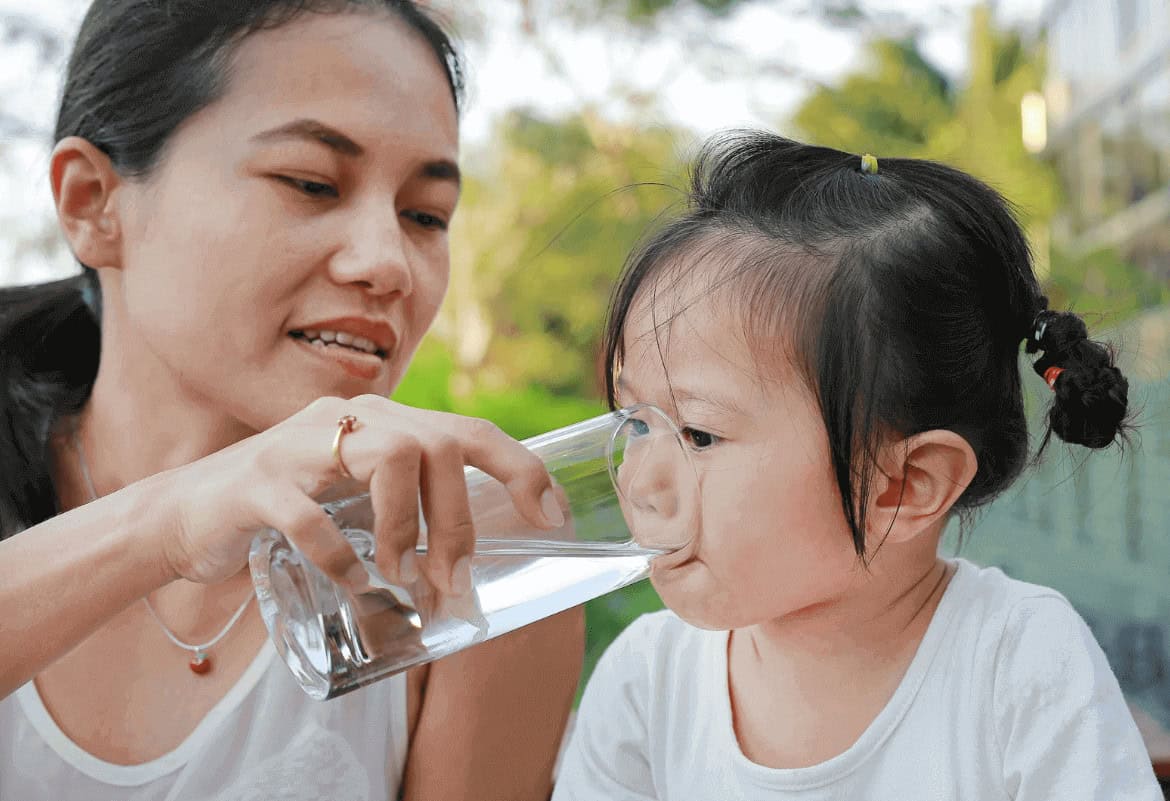
Parents often hear the advice that kids should drink plenty of water, but the importance of hydration goes far beyond quenching thirst. For children, whose bodies are still developing, proper hydration plays a critical role in growth, energy, and overall health. Understanding why water and fluids matter so much can help families make better choices every day.
Fueling Growth and Development
Children’s bodies are in a constant state of change. Muscles, bones, and organs are developing rapidly, and water is essential for these processes. Hydration supports nutrient transport, helps regulate body temperature, and aids digestion.
When kids are well hydrated, their bodies can absorb vitamins and minerals more effectively, which directly impacts growth. Even mild dehydration can affect concentration, mood, and physical performance, making it harder for children to thrive in school and play.

Supporting Active Lifestyles
Kids are naturally energetic, and their activity levels mean they lose fluids quickly through sweat and movement. Replacing those fluids is vital to prevent fatigue and overheating. While plain water is the foundation of hydration, sometimes children need more, especially after sports or outdoor play.
This is where options like electrolyte powder online can be useful, providing a convenient way to restore balance when water alone is not enough. Electrolytes help regulate muscle function and maintain energy, which is particularly important for growing bodies that are constantly on the move.
Building Healthy Habits Early
Hydration is not just about meeting immediate needs. It is also about teaching children habits that will benefit them for life. Encouraging kids to carry reusable water bottles, reminding them to sip regularly, and modeling good hydration practices as parents all help build consistent routines.
When children learn to prioritize water over sugary drinks, they are less likely to develop health issues linked to excess sugar consumption. With preparation and consistency, hydration can become a natural and healthy part of everyday life.
Hydration and Cognitive Function
The brain is highly sensitive to fluid balance. Even slight dehydration can impair memory, focus, and mood. For children, who are constantly learning and processing new information, hydration directly influences academic performance.
A child who drinks enough water is more likely to stay alert, engaged, and emotionally balanced throughout the day. Parents can support this by ensuring water is available during school hours and encouraging teachers to allow regular hydration breaks.
Recognizing Signs of Dehydration
Children may not always recognize or communicate when they are thirsty. Parents should watch for signs such as dry lips, irritability, headaches, or reduced energy. These subtle cues often indicate that fluids are needed.
By staying attentive, caregivers can intervene before dehydration becomes more serious. Teaching kids to listen to their bodies and respond to thirst is another valuable lesson that supports independence and self‑care.
Hydration in Different Environments
Climate and environment also play a role in hydration needs. Hot weather, high humidity, or even heated indoor spaces can increase fluid loss. Families should adjust hydration strategies depending on the season and activity level.
For example, outdoor play in summer may require more frequent breaks and additional fluids compared to cooler months. Being mindful of these factors ensures that children remain comfortable and healthy regardless of conditions.
The Lasting Impact of Proper Hydration
Hydration is more than a daily checklist item. It is a foundation for growth, learning, and well‑being. When children are properly hydrated, they have the energy to explore, the focus to learn, and the resilience to handle challenges.
Parents who prioritize hydration are not only supporting immediate health but also laying the groundwork for lifelong habits. Water may seem simple, yet it is one of the most powerful tools for nurturing strong, healthy, and happy kids.