Between work, school schedules, and everyday responsibilities, many families struggle to make time for the kind of hands-on family projects that help kids learn real-world skills. Yet building, fixing, and creating together is one of the most powerful ways to teach problem-solving, confidence, and creativity.
The secret isn’t having endless free time — it’s designing family life in a way that makes room for meaningful, hands-on experiences.
Why DIY Projects Are So Powerful for Kids
DIY projects give kids something screens can’t: tangible results. Measuring wood, using basic tools, mixing paint, or assembling parts helps children understand how things work — and how effort leads to outcomes.
Hands-on building projects help kids:
- Develop fine motor and coordination skills
- Learn patience, planning, and follow-through
- Build confidence by seeing real results
- Strengthen communication through teamwork
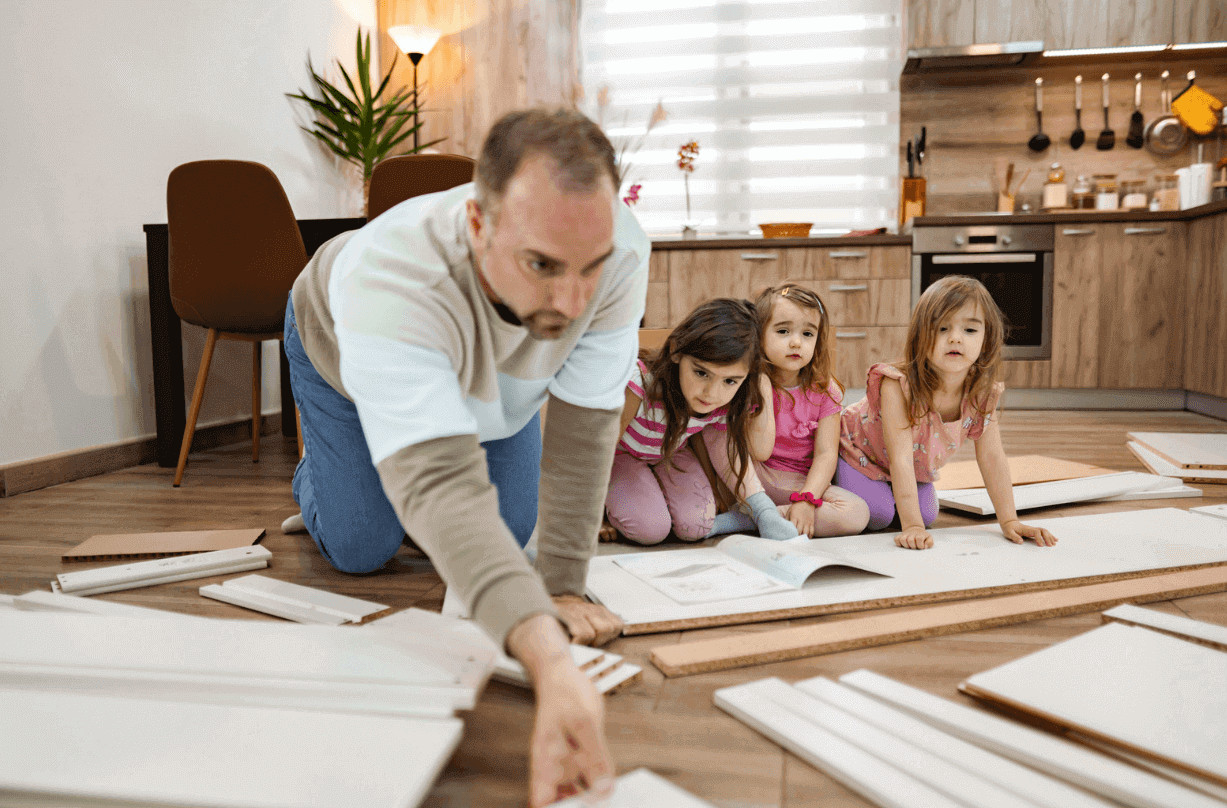
Even simple projects like assembling shelves, building a step stool, or creating a backyard obstacle course can become powerful learning moments when kids are involved from start to finish.
Making DIY Part of Everyday Family Life
One of the biggest obstacles to family DIY isn’t lack of ideas — it’s lack of time and energy. Tools need to be set up, materials gathered, and projects started without constant interruptions.
Families who succeed with DIY often:
- Keep a dedicated project space, even if it’s small
- Store kid-safe tools where children can access them
- Choose projects that can be completed in stages
- Schedule regular “build time” instead of waiting for free weekends
When building becomes part of routine life rather than a special event, kids are more likely to stay engaged and parents feel less pressure.
Getting Extra Help – Au Pairs as One Possible Support Option
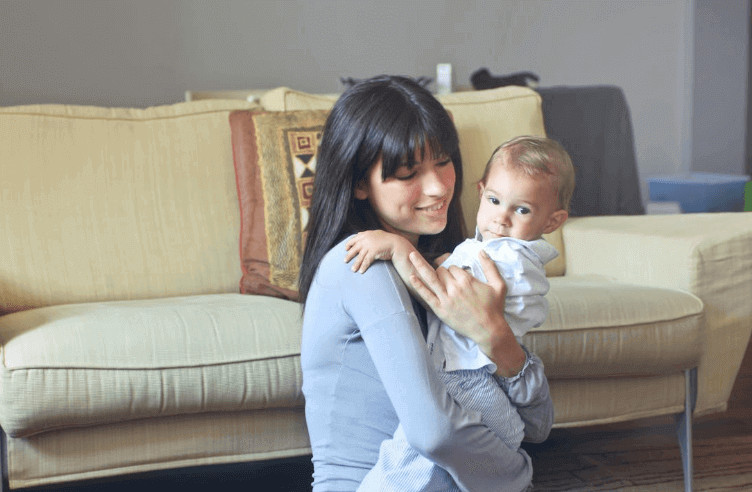
For some families, hosting an au pair is one of several ways to create that extra breathing room. Alongside babysitters, relatives, or shared childcare arrangements, an au pair can provide consistent support that helps parents reclaim time for hands-on family life.
If you’re considering this option, working with a reputable agency is key. A good agency helps with screening, training, matching, and ongoing guidance — allowing families to focus on their home and routines rather than logistics.
Families often explore platforms such as:
- Go Au Pair, known for its emphasis on cultural exchange
- Cultural Care, recognized for strong training and 24/7 support
- Agent Au Pair, appreciated for personalized service and flexibility
- AuPair.com, a large international matching platform
- Au Pair International, noted for structured screening and training programs
The goal isn’t simply childcare — it’s creating more balance. When parents feel supported, they’re better able to invest time and energy into building, creating, and connecting with their kids.
Turning Extra Time into Real DIY Wins
When families free up even small pockets of time, those moments can turn into meaningful DIY projects. Instead of aiming for big renovations, focus on practical builds kids can help complete:
- Building a mudroom bench or shoe rack
- Creating a kids’ workbench from scrap wood
- Assembling raised garden beds
- Designing a simple storage system for toys or art supplies
These projects teach kids that homes aren’t just lived in — they’re built, improved, and cared for by the people inside them.
Teaching Skills Through Building Together
DIY projects naturally introduce kids to real-life skills:
- Measuring and basic math
- Tool safety and responsibility
- Planning steps before starting
- Fixing mistakes and adapting
Letting kids drill pilot holes, sand edges, hold measuring tapes, or help with layout decisions makes them feel capable and trusted. Those lessons stick far longer than instructions alone.
Creating a Family “Build Culture”
Families who regularly work on hands-on family projects together often develop a shared mindset: we figure things out together. This culture encourages curiosity, resilience, and pride in effort.
Start small:
- Pick one project a month
- Keep unfinished builds visible to encourage follow-through
- Celebrate progress, not perfection
Over time, DIY stops feeling like extra work and becomes part of how your family learns, solves problems, and connects.
Building More Than Projects
At the end of the day, hands-on family projects isn’t about perfectly finished shelves or straight cuts. It’s about kids learning that they can create, fix, and contribute — and parents being present for those moments.
With the right support systems in place, families gain more than time. They gain the space to build skills, confidence, and memories that last far beyond childhood.