Introducing children to pet care at a young age is one of the most effective ways to teach empathy and responsibility. For families with dogs, the daily needs of a furry companion present a perfect opportunity to involve kids in meaningful routines. If your child is school-aged or a teenager, there are age-appropriate tasks they can assist with to bond with the family pet while building life skills.
This article explores simple, safe, and engaging dog-care activities that children of all ages can help with. These routines lighten the load for adults and nurture a strong connection between children and their canine companions.
Why Involving Kids in Dog Care Matters
Having children participate in caring for the family dog benefits both the pet and the child. For dogs, consistency and affection are vital. When children are involved in daily tasks, it helps reinforce routines, which dogs thrive on. For kids, caring for a pet can:
● Foster empathy and emotional intelligence
● Encourage independence and responsibility
● Teach time management and organization
● Provide a sense of achievement and pride
Most importantly, these tasks help build trust between your child and your dog, deepening their friendship and ensuring your pup feels loved and secure.
Easy Ways Toddlers and Preschoolers Can Participate
Even the youngest members of the family can start building a bond with their dog through simple, supervised tasks. The goal at this age is not to assign responsibility but to include them in daily care in a way that is engaging.
Here are a few activities younger kids and preschoolers can help with:
● Filling the Water Bowl: With a small, easy-to-pour jug, your kids can refill a dog’s water bowl with your guidance. This helps them understand the importance of hydration.
● Picking Out Toys: Let your child choose a toy from the basket for playtime. It’s a small task that helps them feel involved.
● Treat Time: With supervision, they can offer healthy dog treats, especially during training or after walks.
● Brushing: Using a soft-bristled brush, young kids can gently brush the dog’s coat while you supervise.
While these actions may seem minor, they help build a foundation of compassion and care.
Daily Routines for Elementary School-Aged Kids
As children grow more capable, their involvement can become more structured. Kids aged 6 to 10 can handle routine tasks with minimal supervision, especially if they’ve grown up with the dog.
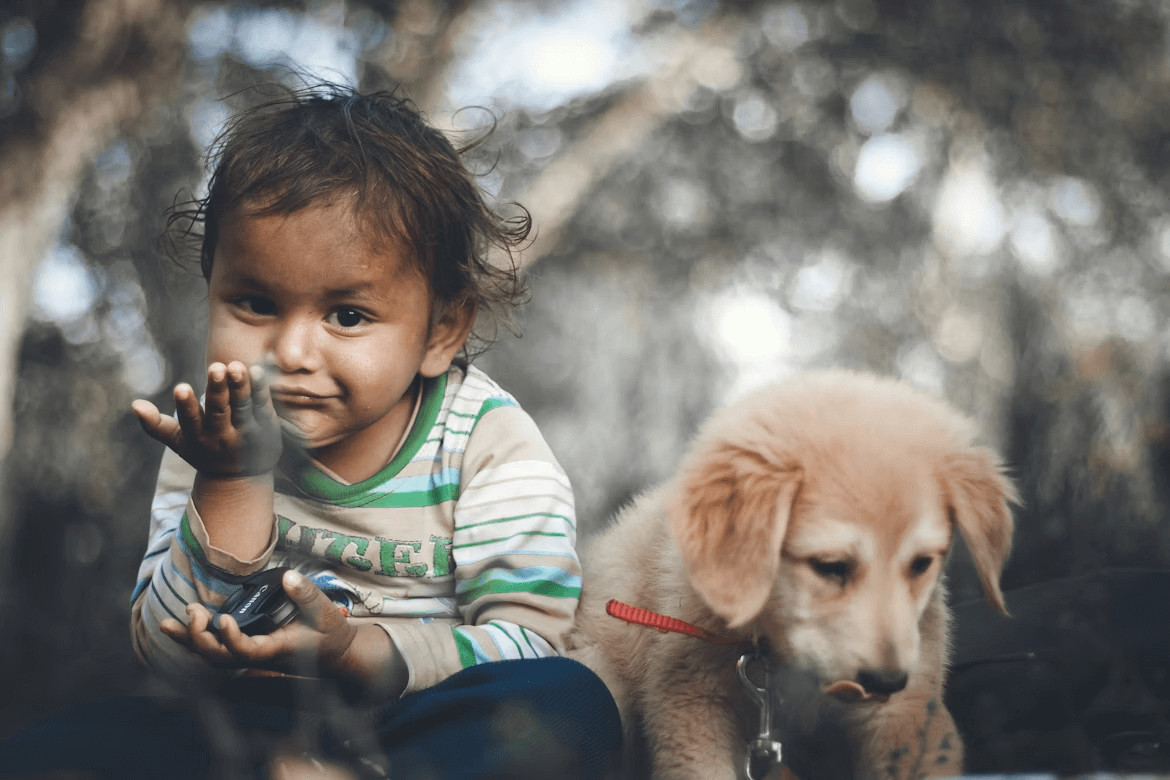
At this stage, consider assigning daily or weekly dog care responsibilities such as:
● Feeding the Dog: Use a measuring scoop and teach them the correct portion. This is a simple but consistent responsibility.
● Helping With Walks: While an adult should always hold the leash, kids can tag along and assist with commands or carry waste bags.
● Cleaning Food and Water Bowls: Teach kids how to wash the dog’s bowls regularly with warm, soapy water.
● Helping With Bath Time: While you manage the bathing, children can assist with rinsing, towel-drying, or passing supplies.
This is a great age to start teaching the why behind each task, like why a clean bowl matters, why walks are necessary, and why nutrition counts.
Teaching Older Kids and Teens to Take the Lead
Once children reach middle school or teenage years, they can take on a more independent role in your dog’s care. They’re likely capable of managing more involved tasks and may even take on full responsibility for daily routines.
Older kids and teens can help with:
● Solo Walks: Teens can handle short neighborhood walks to reinforce leash training and provide exercise.
● Grooming and Hygiene: Brushing, nail clipping (with training), ear cleaning, and bathing can be assigned weekly.
● Training Sessions: Encourage them to take the lead on teaching tricks or reinforcing basic obedience.
● Preparing Meals and Supplements: They can read labels, measure portions, and even help integrate healthy options into your dog’s diet.
For example, if your family is considering natural supplements to support your dog’s health, teens can research options and assist in giving them during meals. Trusted brands like puplabs.com offer thoughtfully formulated products that fit easily into a dog’s daily routine, something older kids can manage with guidance.
Introducing kids to wellness routines helps them become more aware of nutrition, health, and overall pet care, all while empowering them to contribute meaningfully.
Making Dog Care a Fun Family Activity
The best way to ensure dog care remains consistent is to make it a shared family effort. By integrating dog-related chores into your weekly rhythm, you create moments of connection—not just between your dog and your child, but between siblings and parents too.
Here are some ideas to keep the momentum going:
● Create a Dog Care Chart: Make a colorful weekly chart that tracks who feeds, walks, and brushes the dog. This makes tasks feel like a game and promotes accountability.
● Celebrate Dog Milestones: Birthdays, training wins, or vet visit recoveries can be celebrated with a family walk or a new toy.
● Let Kids Join Vet Visits: While it might not always be possible, taking your child along for checkups helps them understand the importance of regular health care.
● Include Dogs in Playtime: Be it through fetch or obstacle courses, involve your dog in your child’s play to benefit everyone involved.
Pup Labs emphasizes the importance of quality nutrition and consistent care, values that can easily be translated into routines your children are part of. Their focus on wellness through natural ingredients aligns with families who want to instill mindful care practices in their home.

Keeping Safety and Age Appropriateness in Mind
Every child and every dog is different. While some kids are naturally gentle and attentive, others need time and reminders to understand a dog’s cues and boundaries. A few important reminders:
- ● Always supervise young children with dogs.
- ● Teach children not to disturb dogs while eating or sleeping.
- ● Reinforce gentle touch and respectful behavior.
- ● Encourage kids to learn your dog’s body language and signs of stress.
- ●Teach kids to notice symptoms of pain in dogs and ask for an adult’s help immediately.
Final Thoughts
Helping kids become active participants in dog care is a win for everyone. Your dog benefits from consistency and love, your child gains confidence and responsibility, and the whole family grows closer through shared routines. With thoughtful guidance, even the smallest hands can contribute to your pup’s well-being in meaningful ways, setting the stage for a lifetime of compassion and care.