Teaching kids about charity is one of the most important lessons they can learn. From a young age, children can understand empathy, generosity, and the value of helping their community. The earlier they start, the more likely they are to keep these values as they grow. By getting involved in charitable activities, kids develop a sense of responsibility and learn to think about others.
When you teach children about charity, you help them recognize the importance of kindness and compassion. They notice others’ needs and realize that their actions can lead to positive change. This journey not only helps those in need but also enriches the lives of the children themselves.
Understanding Charity
Kids understand ideas better when they can relate to them. Explain charity in a way that connects to their daily lives. Charity means helping people who are less fortunate or going through hard times. It can be as simple as sharing toys or doing nice things for neighbours. This shows them that charity isn’t just about big donations. It can also happen through small, everyday actions.
Teach children about why some people need help. Ask them how they would feel if they were in someone else’s situation. Create an atmosphere where they can ask questions and share their thoughts. This builds their understanding and helps them connect to the world around them.
Food Bank Donations
Food banks play a vital role in communities by providing food to those in need. You can help kids learn about this by visiting a local food bank together. Let them see the impact of donations and the gratitude from families who receive help. Explain how food banks gather and share food to ensure no one goes hungry and highlight the importance of community support during tough times.
Encourage your children to get involved by organizing a food bank donation. They can help collect, sort, and deliver items. This hands-on experience makes charity more real and gives them pride in helping others. Watching the happiness that comes from sharing shows the power of teamwork.
Modelling Generosity
One of the best ways to teach children about charity is to model generosity yourself. Children often copy the actions of adults they see. Involve them in activities like donating clothes or helping at a community event. Share why you choose to give back and how good it makes you feel.
Be open about your choices. For example, before you donate to a food bank, talk to them about what they do, who they help, and why it matters to contribute. Discuss how their choices help feed people who are struggling. This can strengthen their understanding and appreciation for charitable actions.
Encouraging Involvement
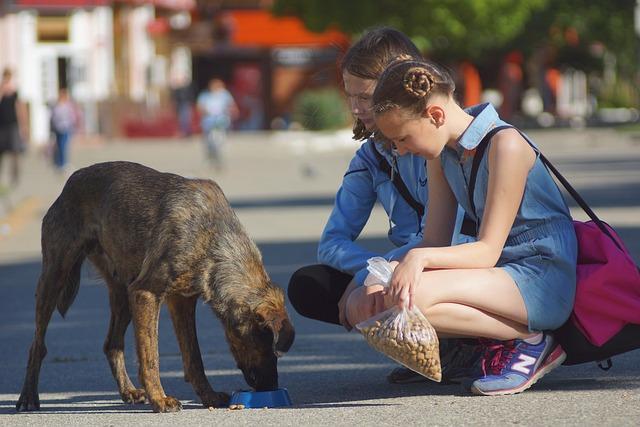
Charitable activities can go beyond food banks. Find options that match their interests. If they love animals, support an animal shelter together. If they care about the environment, join community cleanups or tree-planting activities. By linking their interests to charity, you create a strong sense of purpose.
Make it easy for them to get involved, like setting aside some of their allowance for charity or planning family volunteer days. This can be a monthly tradition that encourages them to think about their choices and the impact they make. After each activity, talk about what they learned and how they felt to reinforce the value of helping others.
Teaching Financial Literacy
To help kids understand charitable giving, talk about managing money. Teach them to set aside a part of their savings for giving. This promotes financial skills and encourages them to be thoughtful givers. Let them research different charities and choose where they want to donate.
By allowing children to decide where to send their donations, you encourage them to take ownership of their values. They might choose a local charity that resonates with them, which strengthens their connection to the community. Share how the charity uses the funds or helps people to deepen their understanding of its significance.
Celebrating Kindness
Celebrating kindness shows how important it is to help others in our daily lives. Whether it’s through discussions at home, projects at school, or actions in the community, it’s important to acknowledge when children do kind things or show compassion. Recognizing these actions helps children understand that what they do matters and encourages them to keep doing good.
You can create a gratitude jar at home where everyone in the family can write down notes about kind acts they have seen or done. Make time to read these notes together regularly. This helps everyone see the positive effects of kind actions. It builds a culture of kindness and encourages children to continue helping others.
By having these conversations and engaging in these activities, you can help children learn kindness and empathy. They need to understand that caring for others is a lifelong journey, and every small act makes the world a better place. Remember, teaching children about helping others today leads to a brighter future.
Adding Storytelling
Storytelling is a powerful tool for teaching children about charity. Share stories of individuals or communities that have benefited from charitable acts. These narratives can be from books, movies, or even personal experiences. Highlight tales that emphasize the impact of generosity, compassion, and teamwork.
Encourage children to think about how they would feel in the stories’ situations. You can also ask them to create their own stories centered around helping others. This imaginative engagement not only helps children remember the lessons but also instills a deeper emotional connection to the concept of charity.
Creating a Family Volunteer Calendar
A family volunteer calendar can serve as a fun and organized way to keep everyone engaged in charitable activities throughout the year. Sit down together and brainstorm different ways to give back, aligning activities with holidays or community events.
Allocate specific days for volunteer work, whether it’s making sandwiches for a local shelter, participating in a charity run, or helping at an animal rescue. Having a visual representation of your family’s commitment makes it more exciting and helps to cultivate a rhythm of giving. Plus, seeing these plans as a family adds anticipation and reinforces the habit of volunteering together.
Reflecting on Experiences
After engaging in charitable activities, set aside time to reflect on the experiences as a family. Discuss what everyone learned, how they felt, and the impact of their contributions. This reflection helps children process their emotions and solidifies the lessons learned.
You might create a family tradition of discussing your favourite charitable experience of the month, focusing on the joy of giving and the needs of others. These conversations enable children to articulate their thoughts about kindness, empathy, and the importance of helping their community. Such discussions can illuminate their values and motivate them to find new ways to make a difference.