Getting kids to create something with their hands does not have to be complicated or messy. With a few simple materials from nature, children can make fun nature-inspired accessories they feel proud to wear and share.
These nature-inspired accessories are designed for real families. They use easy-to-find items and simple steps that work for a range of ages. From a braided nature bracelet threaded with dried petals to a leafy crown sized for any head, natural materials offer an endless variety of textures, colors, and shapes for kids to work with.
Whether you are planning a quiet afternoon activity or looking for a screen-free project, these nature-inspired crafting projects help kids explore creativity while staying connected to the outdoors.
Nature Accessories Kids Can Make and Wear
Nature crafts and ready-made supplies often work hand in hand. When kids want to turn loose natural finds into something truly wearable, they frequently pair foraged materials with simple jewelry bases or colorful cord. For families looking for fashion-forward, hypoallergenic accessories that are sensitive enough for everyday wear, ear-friendly jewelry options and other nature-inspired pieces are available at CordsClub.com.
Bracelets, Crowns, and Clips, and Pins
Wrist and head accessories are the most natural starting points for kids exploring style through nature crafts. A peel-and-stick nature bracelet built during a walk, a woven leaf crown, or a pressed flower pinned to a jacket all let children wear something they made from materials they chose themselves.
These projects are low-prep and easy to personalize. A crown made entirely from dandelions looks very different from one layered with mixed leaves and petals, and that difference comes entirely from the child’s own choices.
Necklaces, Pendants, and Bag Charms
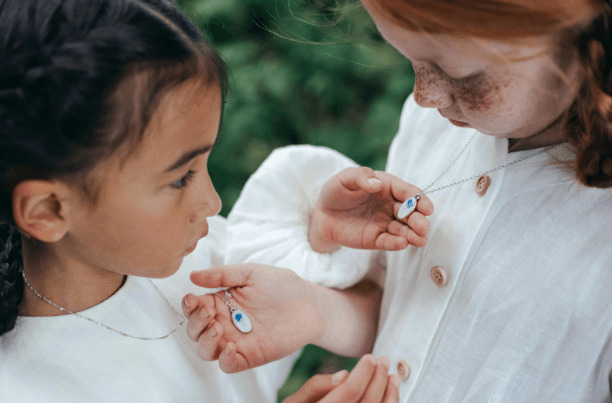
Hanging and tie-on pieces give kids another way to carry their creativity with them. A pressed flower sealed onto a small disc and threaded onto cord becomes a pendant. A painted stone looped with wire turns into a bag charm that travels everywhere a child goes.
These pieces tend to feel more finished than wrist accessories, which makes them especially satisfying for kids who want their nature crafts to look intentional rather than improvised.
How Kids Can Turn Nature Into Personal Style
Accessory-making with natural materials is really a style activity in disguise. The craft part is straightforward, but the more interesting work happens when children start making deliberate choices about what they want their piece to look and feel like.
Choose Materials by Color, Texture, and Shape
Not every nature accessory needs to look the same, and that’s exactly the point. Leaves, twigs, petals, and pressed flowers each bring something different to a piece, and helping children notice those differences is where the real creative thinking begins.
A smooth, oval leaf reads very differently from a jagged, veined one. A cluster of dried petals feels soft and delicate, while a short twig adds something more rugged and structural. Encouraging children to pick materials based on what catches their eye, rather than following a set template, builds genuine design instincts from the ground up.
Color plays a big role here, too. Warm amber leaves pair naturally with earthy tones, while bright green ones work well alongside woven cord in bolder shades. Once children start noticing how natural materials interact with each other, they begin making intentional choices rather than random ones.
Let the Accessory Match the Child’s Mood
Self-expression through craft isn’t just about aesthetics. It’s also about how a child feels on a given day and what they want their made piece to say about that.
A child feeling bold might layer several textures together into a chunky bracelet or a full leafy crown. One in a quieter mood might press a single flower into a pendant or braid just a few petals into a simple wristband. Neither is more creative than the other, as both reflect something real.
This is where nature crafts go beyond typical art projects. When children make their own design decisions around natural materials, the result carries meaning, and that sense of ownership is what builds lasting confidence in their own creativity.
5 Easy Nature Accessories to Make With Kids
The five projects below cover a range of styles and skill levels, but all of them share one thing: they’re accessories kids can actually wear or carry. Each one also includes a simple personalization idea so the finished piece reflects the child who made it, not just the instructions they followed.
1. A Peel-and-Stick Nature Bracelet
This is the most accessible starting point for younger children. Wrap a strip of tape around a child’s wrist with the sticky side facing out, then let them press on small leaves, petals, and tiny twigs as they find them outdoors.
The nature bracelet builds itself as the walk continues, making the foraging part of the making. No glue or tools are needed, which keeps the focus entirely on what children collect. For a personal touch, encourage kids to choose only materials in their favorite colors.
2. A Flower or Leaf Crown
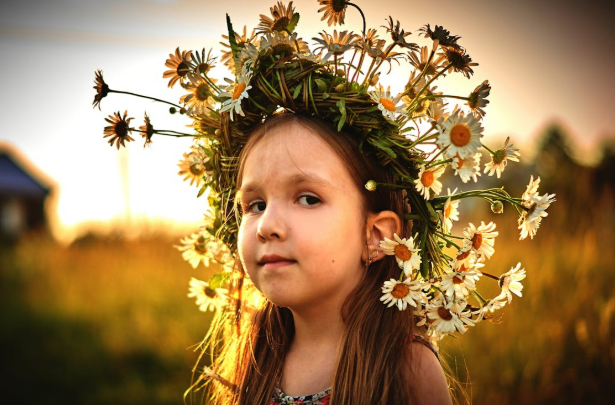
A nature crown works by threading flexible stems or leaves through each other to form a simple loop sized to fit. Dandelions, long grass, and soft vine stems all work well for this.
Children can layer in pressed flowers or clusters of petals to add color and texture as they go. The result is something immediately wearable, and kids tend to want to make several once they’ve mastered the basic loop technique. Mixing leaf shapes and sizes is an easy way to make each crown feel unique.
3. Pressed Flower Pendants or Pins
Pressing flowers between the pages of a heavy book for a day or two preserves their shape and flattens them for use in jewelry. Once dry, a pressed flower can be sealed onto a small wooden disc or card using Mod Podge, then attached to a pin back or cord.
Mod Podge adds a light gloss that makes the natural materials look finished rather than fragile. These are among the most giftable of all easy DIY crafts for kids because they look intentional and detailed even with minimal steps. Kids can personalize further by choosing a cord color that complements the flower they pressed.
4. Twig Bracelets or Mini Cuffs
Short, slender twigs can be soaked briefly in warm water to make them slightly flexible, then shaped into a cuff and tied with twine or thin cord at each end. The natural texture of the bark adds visual interest without any decoration at all.
Mixing twig segments of different lengths creates a more layered look, and wrapping cord between sections adds color. This is a great project for kids who prefer something that feels more structured and tactile.
5. Painted Stone Charms for Bags
Rock painting doesn’t have to mean decorative display pieces. Small, flat stones painted with simple designs and sealed with a clear coat can be drilled or looped with wire to attach to a bag zipper or backpack clip.
This extends the idea of natural materials into something carried rather than worn, and children who enjoy rock painting often take real pride in using their stones as functional accessories rather than setting them on a shelf.
Match the Project to Your Child’s Age
The projects above vary in complexity, and matching the right one to a child’s age and fine motor ability makes the whole experience more enjoyable. As a general rule, the simpler the construction, the more independently a young child can work.
Best Picks for Preschool and Early Elementary
Younger children do best with projects that don’t require precise cutting, tight knotting, or long periods of focus. The peel-and-stick nature bracelet is a natural fit here because it requires no tools and builds organically during a nature walk, keeping little hands busy without frustration.
Flower and leaf crowns also work well for this age group, since weaving soft stems together is forgiving and easy to redo. These projects support motor skills development and sensory play at the same time, giving children tactile feedback while they create.
Adult help matters most at the starting point, such as forming the first loop of a crown or pressing the initial piece of tape onto the wrist. Once that foundation is in place, most young children can take over independently.
Best Picks for Older Kids Who Want Detail
Children with stronger fine motor skills are ready for projects that involve more steps and more deliberate choices. Pressed flower pendants, twig cuffs, and painted stone charms all reward patience and careful handling in ways that simpler projects don’t.
These crafts ask children to think ahead, whether that’s waiting for flowers to press fully or planning which cord colors to wrap between twig segments. That added complexity is where creativity deepens, and where a child’s personal style really starts to show up in the finished piece.
What to Collect in Each Season
One of the best things about nature accessories is that the materials change throughout the year, which means the projects can, too. A quick nature walk in any season turns up something worth collecting.
Spring and Summer Finds
Spring and summer are the easiest seasons for collecting natural materials on a nature walk. Wildflowers are abundant, stems are flexible, and bright green leaves come in enough shapes to keep children choosing for a long time.
Pressed flowers work especially well when gathered in these months, as petals hold their color better when dried at peak bloom. Soft, pliable stems are also ideal for crown-making, since they bend without snapping.
Fall and Winter Finds
Cooler months shift the palette rather than limit it. Fallen leaves in amber, rust, and deep red bring warmth to bracelets and pendants, while dried seed pods and small pine cones add texture that spring materials rarely offer.
Twigs become more plentiful in fall as trees shed, making this a great season for twig cuffs and bag charms. Wearable nature crafts stay possible year-round as long as children know what each season reliably offers.
Let Kids Wear What They Create
Nature crafts give kids a simple way to slow down, explore, and create something meaningful. These nature-inspired accessories are not just fun to make. They also help build confidence and encourage kids to use their imagination.
You do not need special supplies or a lot of time to get started. A short walk outside can turn into an afternoon of creative play. Try one of these nature-inspired accessories and let your child take the lead. You may be surprised by what they come up with.