
Student life can feel like a race that never pauses. Classes, deadlines, clubs, family duties, and messages can crowd the mind. After a long day, even simple tasks may feel heavier than they should. Many students try to rest by scrolling, yet that often adds more noise. Craft time offers a softer kind of break. It gives your hands something simple to do while your mind slows down. You do not need talent, expensive supplies, or a perfect plan. A pencil, paper, glue, thread, or clay can be enough.
Why Craft Time Works Like a Mental Reset Button
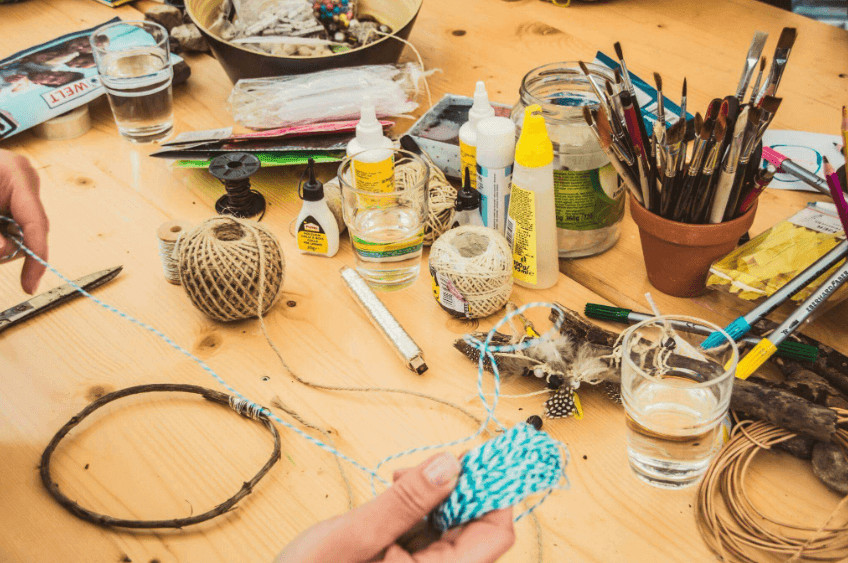
Crafting gives the brain a calm target. Instead of jumping between tabs, grades, and reminders, you focus on color, texture, and shape. That shift matters because the mind is not built to sprint all day. When you fold paper or paint a border, your attention becomes steady.
The task is small, clear, and easy to enter. Your brain still works, but the pressure feels lighter. It is like walking after running uphill. You keep moving, yet your body can finally breathe. Students can use this gentle focus after study sessions, before sleep, or during a stressful weekend.
Sometimes students feel drained not because they dislike learning, but because their schedule has no breathing space. A craft break helps, yet it cannot fix every deadline or crowded week. When one written task sits in the middle of everything, rest can start to feel impossible. The student may still want to study, sleep, and stay present in class. At the same time, the mind keeps returning to that unfinished work.
A worried student may think “I need to write my assignment with EduBirdie tonight” because one deadline keeps blocking focus and recovery. That choice can create room for planning, revision, and a calmer evening. The point is not to escape responsibility. It is to protect energy before stress turns into a wall. After that pressure lowers, even a small craft can feel more peaceful and useful.
How Creativity Helps Students Release Stress
Stress often grows when feelings have nowhere to go. Students may worry about grades, tension with friends, or fear about the future. These feelings can sit quietly in the background all day. Then they appear at night, just when you want to relax.
Crafting gives those feelings a safe path out. You can draw a messy shape, cut bright paper, or press clay between your fingers. No one has to judge the result. The process matters more than the product. Each movement tells your nervous system that the moment is manageable. That can reduce the sense of being trapped inside your own thoughts.
Turning Busy Thoughts Into Something Visible
Have you ever felt your thoughts twist like tangled earphones? A craft can help you pull one strand at a time. A collage can show your mood without a long explanation. A journal page can hold a hard day. A bracelet pattern can give your mind a simple rhythm.
When thoughts become visible, they often feel less powerful. You can look at them instead of drowning in them. That small distance can bring relief. It also helps students understand what they are feeling. Sometimes, the hand knows what the mind cannot say yet.
Giving the Brain a Break From Perfection
School often rewards correct answers and polished work. Craft time can be different. You can make something crooked, strange, or funny. The paper flower may look like a confused vegetable. The painting may become a storm of odd colors. Still, nothing terrible happens.
Mistakes become part of the design. For students, that freedom is valuable. It teaches the mind that imperfect work can still have meaning. Later, that lesson can make new school tasks feel less frightening. You learn to begin before you feel fully ready.
Simple Craft Ideas Students Can Try After Study Sessions
The best craft activities are easy to start and easy to stop. You do not need a studio or a large budget. Try decorating a notebook after a difficult class. Add borders, stickers, tiny drawings, or color labels. The notebook becomes more personal, and your mind gets a short break.
Coloring is another simple choice. Repeated shapes can feel soothing, especially when your thoughts are loud. Paper crafts also work well. Origami, bookmarks, cards, and paper flowers offer clear steps. They give you a small reward at the end.
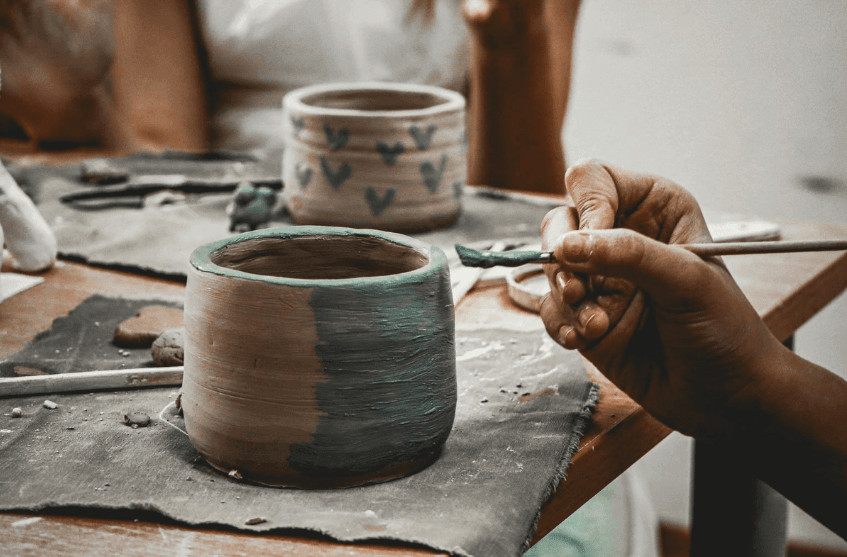
If you like texture, try clay or homemade dough. Shaping material with your hands can feel grounding. It is like giving stress a form, then changing it. Yarn crafts can also calm the mind. Simple weaving, bracelet making, or finger knitting creates a steady rhythm. That rhythm can feel almost like a quiet song.
Students who enjoy memory keeping can try scrapbook pages. You can add photos, tickets, notes, and small drawings. A page like this can remind you that life is bigger than grades. It can hold small happy moments that are easy to forget.
Making Craft Time a Healthy Part of Student Life
Craft time works best when it becomes a small habit. Ten minutes can help when your brain feels overloaded. You might craft after a ninety-minute study block. You might sketch before bed instead of checking your phone. A short creative pause can mark the end of one task and the start of another.
Keep supplies in one box so starting feels easy. Include paper, pens, glue, scissors, tape, yarn, or beads. Pick items that make you want to touch them. A ready craft box removes one more decision from your day. That matters when your energy is already low.
Crafting with friends can also make rest feel easier. You can sit together, make simple things, and talk only when you want. There is no need for perfect conversation. The shared activity carries part of the social weight. One friend can paint. Another can make bracelets. Someone else can cut paper shapes for a dorm wall.
These moments can build connections without pressure. They also remind students that rest is not laziness. People recharge better when they feel safe, seen, and accepted. Still, craft time should never become another task to complete. Do not turn it into a competition. Your work does not need to impress anyone. It only needs to help you feel a little lighter.
Conclusion: Small Creative Moments Build a Calmer Mind
Craft time may seem simple, but it can give students real mental relief. It slows the mind, releases stress, and creates space for self-expression. It also gives students a break from screens, pressure, and perfection. Whether you color a page, fold paper, shape clay, or decorate a journal, you are doing more than making an object. You are giving your brain room to breathe.
In a busy student life, small creative moments can become a gentle form of self-care. They do not solve every problem, yet they can make the day feel softer. So, when your mind feels crowded, pick up a craft instead of pushing harder. Your hands may help your thoughts settle, one small movement at a time.