Calgary’s urban design reflects a distinctive commitment to integrating natural spaces directly into residential areas.
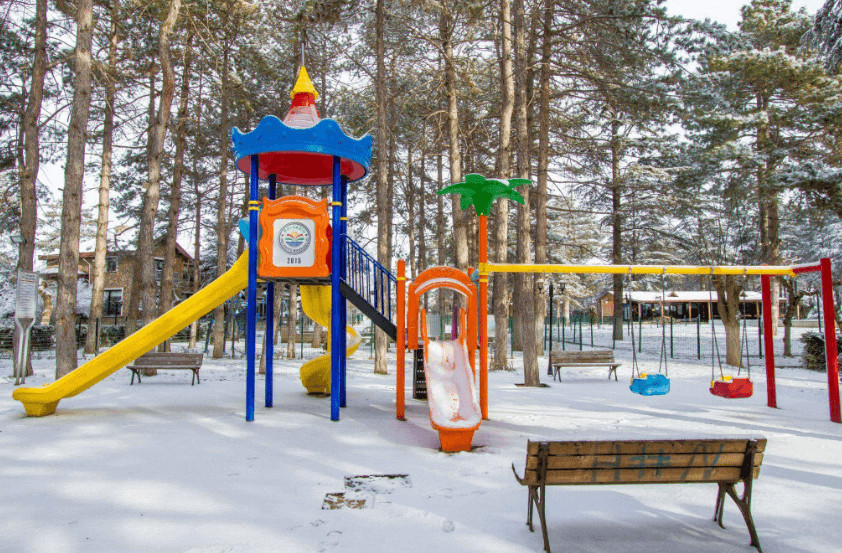
Photo by Murat Halıcı:
The city’s approach to municipal green infrastructure ensures that outdoor play areas are not isolated amenities but rather fundamental components of neighborhood planning. Families moving to this region quickly discover plenty of nature around Calgary, from sprawling provincial parks to intimate community green spaces designed specifically for child development and active living.
The network of pathways connecting residential zones to recreational areas demonstrates how thoughtful urban planning can shape daily routines.
Calgary maintains and stewards almost 8,700 hectares of public spaces, the equivalent of 11,000 football fields spread out citywide over 5,200 parcels of land. This extensive infrastructure supports families who prioritize outdoor activity without requiring long commutes or special planning.
Municipal Green Infrastructure Design Philosophy
Urban planners across Alberta have increasingly recognized that accessible outdoor spaces serve as critical public health infrastructure.
The 2023 Canadian City Parks Report states Calgary has 6.7 hectares of park and greenspace for every 1,000 people. This generous allocation reflects decades of intentional development policies that prioritize recreation alongside residential growth.
Research found consistent negative association between urban green space exposure and mortality, heart rate, and violence, and positive association with attention, mood, and physical activity. Municipal decision-makers apply these documented health benefits when allocating budgets and approving new community developments. The result is a landscape where playground equipment, sports fields, and natural trails appear within walking distance of most residential streets.
Community associations work closely with city departments to ensure that park amenities reflect the specific needs of neighborhood demographics. Families with young children benefit from age-appropriate equipment clusters, while teens access skateparks and basketball courts designed for different developmental stages.
Outdoor Playgrounds are Built into Everyday Calgary Living
The second major element of Calgary’s outdoor infrastructure focuses on seamless integration between housing developments and recreational facilities. Subdivisions constructed over the past two decades typically include designated green corridors and tot lots positioned within a five-minute walk from any given residence. This proximity transforms outdoor play from an occasional weekend activity into a daily routine embedded in family schedules.
Children have much to gain from time spent outdoors and research has shown that outdoor exercise in nature can enhance emotional well-being and amplify the benefits of physical exercise. Alberta’s community planners apply this understanding when designing neighborhood layout features that encourage spontaneous outdoor engagement rather than requiring elaborate transportation arrangements.
Benefits include improved academic performance, brain health, muscular fitness, heart and lung health, cardiometabolic health, long-term health, bone strength, and measures of a healthy weight. These outcomes stem not from specialized programs but from the consistent availability of quality outdoor environments where children naturally gravitate during after-school hours and weekends.
The provincial government has supported this infrastructure through targeted funding initiatives that prioritize communities experiencing rapid population growth. New developments in suburban zones receive grants for playground installation before the first residents move in, ensuring that outdoor recreation capacity matches housing density from day one.
Pathway Networks Connecting Residential and Natural Areas
Calgary’s extensive pathway system functions as connective tissue linking neighborhoods to larger green spaces.
Citizen satisfaction scores have been consistently high for Calgary’s parks and open spaces for the past two decades, including 93 percent in 2021, and additional surveying shows Calgarians who are frequent parks users are more likely to rate their quality of life in Calgary as high. These trails serve multiple demographics simultaneously, accommodating cyclists commuting to work, families pushing strollers, and children biking to school.
The pathway infrastructure receives dedicated maintenance funding throughout the year, including snow removal during winter months. This operational commitment reflects the understanding that outdoor infrastructure must remain accessible across all seasons to truly influence daily behavior patterns. Residents incorporate trail segments into routine errands, walking to nearby commercial districts or accessing transit stops through park corridors rather than along vehicle-dominated streets.
Focus resources in areas with populations that lack access to parks or other safe places to be physically active and teach people about the benefits of physical activity and places to be active. Calgary’s approach exemplifies this strategic planning framework, concentrating improvements in underserved quadrants while maintaining existing assets in established neighborhoods.
Seasonal Programming and Year-Round Facility Access
The climate in southern Alberta presents unique challenges for outdoor recreation, yet municipal programming adapts to seasonal variations rather than shutting down during colder months. Ice rinks appear in community parks each winter, transforming summer sports fields into skating surfaces. Warming huts provide shelter during extended outdoor sessions, and programming calendars shift to emphasize activities suited to snow and ice.
Public parks offer access to places to walk and better access to parks, playgrounds, and recreational centers may encourage active transportation, such as walking to the location. This connectivity pattern remains functional throughout the year because pathway maintenance prioritizes keeping primary routes clear for pedestrian and cycling traffic even during significant snowfall events.
Summer programming brings different opportunities, with splash pads, outdoor pools, and organized sports leagues operating in parks across residential districts. Community associations coordinate schedules to ensure that at least one nearby facility offers supervised activities during peak demand periods, reducing the burden on individual families to constantly seek out structured engagement options.
Calgary is one of three municipalities that have 100 percent of park washrooms open for use year-round. This operational detail matters significantly for families with young children, removing a practical barrier that often discourages extended outdoor sessions during transitional seasons when weather remains pleasant but facility support might otherwise be unavailable.
Economic and Social Returns on Green Infrastructure Investment
Municipal budget discussions increasingly reference the quantifiable health and economic benefits generated by park systems.
Development of the small urban park will result in annual benefits of CAD 133,000 per year, including CAD 109,877 in the avoided economic burden of physical inactivity, CAD 23,084 in health savings associated with improved mental health. These calculations help justify continued investment even during fiscal constraint periods, reframing outdoor infrastructure as preventive health spending rather than discretionary amenity provision.
Property values near well-maintained parks consistently demonstrate premium pricing compared to similar homes in less green neighborhoods. Real estate professionals market proximity to trails and playgrounds as key selling points, and buyers allocate higher budgets for residences offering immediate access to outdoor recreation. This market dynamic creates a positive feedback loop where municipalities recognize the revenue implications of green space investment through increased assessment values and property tax generation.
Beyond individual health metrics, parks serve as neutral gathering spaces that facilitate social connections across demographic boundaries. Playground areas naturally bring together families from different cultural and economic backgrounds, creating organic opportunities for community building that programmatic interventions struggle to replicate through other means.
The infrastructure choices made today will shape activity patterns and health outcomes for decades to come. Calgary’s experience demonstrates that integrating outdoor play spaces into everyday residential environments rather than concentrating them in distant destination parks produces measurably different usage patterns and population-level health indicators. Families benefit from reduced barriers to outdoor engagement, children develop habitual activity patterns through repeated exposure, and communities gain shared spaces that strengthen social fabric alongside physical infrastructure.