Inflatable water slides are a significant investment, whether you’re running a rental business or just breaking one out each summer for the backyard. Skip the storage process, and you’ll watch that investment fall apart faster than you’d expect.
The thing is, most damage doesn’t happen while guests are using the slide; it happens between seasons, sitting in storage. Mold, UV damage, cracked seams, pest infestations: all preventable. The steps below cover everything from cleaning right after use to long-term storage conditions, so your slide performs season after season.

Preparing Your Inflatable Water Slide for Storage
This is where the clock starts ticking. Preparation sets the tone for how well your slide survives off-season downtime. Skip even one step, and you’ll open the unit next year to find mold, delamination, or cracked seams.
If you’re building a rental business, the commercial water slide selection you invest in will only pay off over multiple seasons if each unit gets a thorough post-use routine before storage. Two critical tasks make up this stage: complete cleaning and careful damage inspection.
Clean and Dry the Surface Thoroughly
The slide needs to be completely clean and, most importantly, bone-dry before anything else happens. Moisture trapped inside a folded inflatable becomes a breeding ground for mold and mildew within days.
Start by rinsing the entire surface (inside and out) with fresh water to remove sunscreen residue, dirt, algae, and organic debris. Then hit areas with visible grime using a mild soap solution and soft-bristle brush. Don’t skip the seams, corners, and interior tunnel sections; those spots hold moisture longest and dry slowest.
Spread the unit flat in a sunny, well-ventilated area and let it air dry for several hours. A portable fan speeds things up considerably. Don’t fold while any part feels damp or cool to the touch. For large rental fleets, a moisture meter confirms dryness when your judgment isn’t reliable enough.
Inspect for Damage Before Putting Away
Finding damage before storage beats discovering it the day before your next rental. Work methodically across the entire surface, section by section, pressing your hands flat against the material to feel for soft spots, bubbles, or areas where the PVC coating has started separating.
Run your eyes along every seam for separation, fraying thread, or small punctures. Suspect a micro-tear? Apply soapy water to the inflated surface and watch for bubbles. Mark any damage with chalk or removable tape so you don’t lose track of it.
Anchor points, D-rings, and stake loops need specific attention; stress concentrates there during use. Found a small puncture? Repair it with a patch kit right now, not later. Temperature shifts and trapped air during storage can turn a tiny hole into a major tear by spring.
Optimal Storage Conditions and Location
The right storage location matters as much as how you fold and pack. Even a perfectly cleaned inflatable deteriorates fast in the wrong environment. Temperature extremes, humidity, direct sun exposure, and pests are the four biggest threats to PVC materials during off-season storage. You’re aiming for a stable, controlled space that guards against all four simultaneously.
Choose a Cool, Dry Environment Away from Direct Sunlight
UV radiation breaks down PVC, making the material brittle, discolored, and prone to cracking. Even occasional direct sunlight accelerates this process, especially in warm climates where heat compounds the damage. The ideal space is indoors, climate-controlled, and consistently cool.
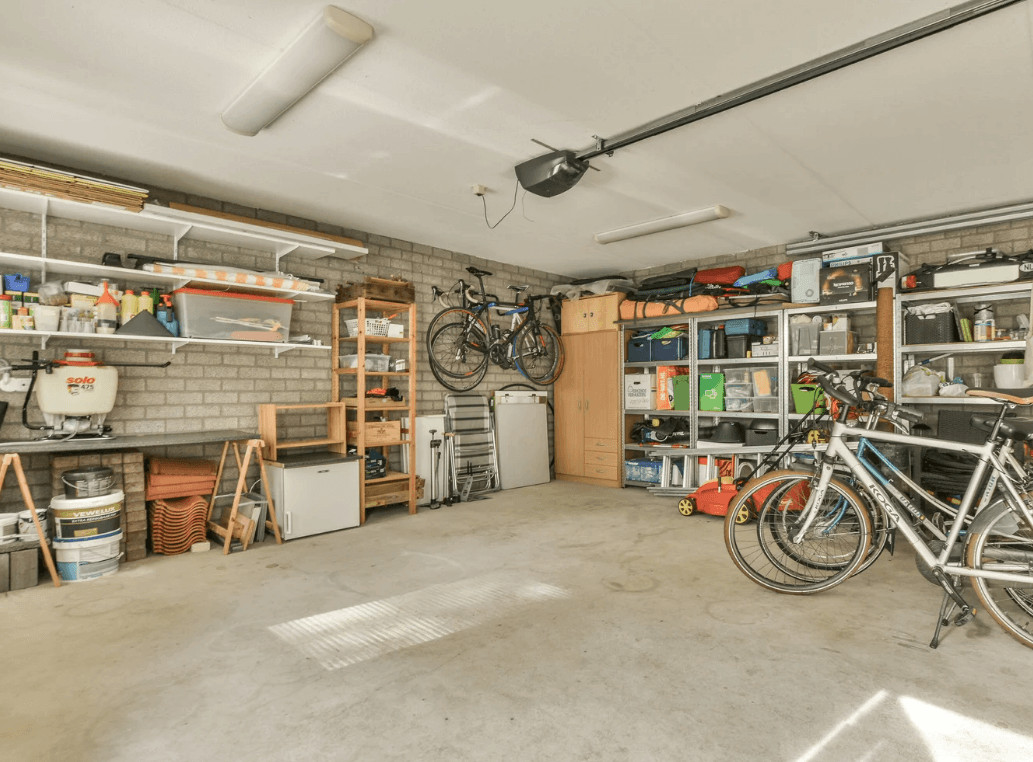
A garage, storage unit, or dedicated equipment room works well if temperatures stay reasonably stable. Basements offer good temperature stability, but verify humidity stays low year-round (ideally below 60 percent relative humidity).
High basement or garage humidity creates the same mold risk as inadequate drying. Keep the packed slide off the ground on a wooden pallet or shelving unit; this improves airflow and reduces moisture transfer from concrete floors. Positioning the unit away from windows and exterior walls cuts exposure to temperature variation and moisture infiltration.
Protect Against Temperature Fluctuations and Pests
Repeated heating and cooling cycles stress PVC seams and cause material to expand and contract, weakening adhesive bonds over time. Storage spaces that swing from hot summers to cold winters accelerate that wear considerably. And if you can’t access a climate-controlled space, insulating the storage area with foam panels or heavy-duty curtains can buffer temperature swings enough to matter.
Pest damage is equally serious. Rodents chew through inflatable materials regularly, especially in storage units or garages where they shelter during cold months. Rodent deterrents, sealed bait stations, or ultrasonic repellers around the storage area protect your investment.
Store the packed slide inside a heavy-duty nylon bag rather than leaving it exposed. Check the storage space every four to six weeks during the off-season for rodent activity, moisture intrusion, or condensation on the bag or nearby surfaces.
Proper Packing and Maintenance Techniques
How you physically pack the slide determines whether small creases turn into permanent fold marks or structural weak points. The goal isn’t a perfectly tight roll. You want stress distributed evenly so no single area takes repeated pressure in the same spot, season after season.
Deflate and Fold Strategically to Prevent Creasing
Deflate the unit completely before folding. Partial deflation creates lumpy, uneven folds that concentrate stress on specific seam lines. Open all air valves fully and press the material flat from the far end toward the blowers to push out remaining air.
Fold the slide lengthwise first, bringing the sides toward the center; this keeps main structural seams from bending sharply. Then roll or accordion-fold from one end toward the blower end so the blower port stays accessible.
Here’s the trick: alternate the fold direction slightly each time you store the slide. Folding in the exact same place every season creates stress fractures along those lines over time. Check your manufacturer’s folding guide and use it as a baseline, then make minor adjustments to avoid repeating the identical crease pattern.
Use Protective Coverings and Regular Inspection Schedules
A quality storage bag is your first defense against dust, pests, UV exposure from light sources, and accidental punctures from nearby equipment. Heavy-duty nylon or tarp-style bags designed for commercial inflatables outlast standard canvas covers or plastic sheeting.
Seal the bag completely before storing. Label it with the unit name, last inspection date, and any open repairs so you’re not starting from scratch next season. Beyond the bag, set calendar reminders to inspect each stored unit every four to six weeks. Pull the unit out, unroll it partway to check for moisture, mold spots, or pest entry, then repack it.
This routine catches problems early instead of letting them accumulate over months. Operators who skip mid-season checks discover avoidable damage that’s been building the whole time; those who inspect regularly add years to each unit’s life.
Conclusion
Proper storage determines how many seasons you get from an inflatable water slide. Clean thoroughly, dry completely, inspect for damage, and pack with attention to crease distribution. Find a storage location that stays cool, dry, and stable year-round, and protect the packed slide from pests and temperature swings.
Routine mid-season inspection catches small issues early. But honestly, storing inflatable water slides for longer use isn’t about mastering one perfect technique. It’s about building a consistent habit at the end of each season, one that protects your investment before the next one starts.