
Every home has its own atmosphere. Some spaces feel instantly welcoming and peaceful the moment you walk through the door. But others can feel busy, noisy or overwhelming and like the kind of place where you can never really settle. Most people believe that it’s colours and lighting that go a long way towards determining this. However, furniture also plays an important part in shaping how a room feels.
Many of the ideas used in healthcare and wellbeing settings can work just as well in family homes. Indeed, some thoughtful furniture choices can create comfortable places to relax, read, chat or simply take a break from the pace of everyday life.
What is important to recognise is that your home does not need to look like a clinic to borrow these practical ideas. Instead, there is a whole range of small changes you can draw inspiration from to make a room feel more inviting for adults and children.
Let’s take a look at how clinical design principles apply to family homes, and, in particular, what types of furniture can be used to make them feel much calmer.
Why Does Furniture Affect How Calm a Home Feels?
Furniture plays a very influential role in how people use a room. Large, bulky pieces, for instance, can make a space feel crowded, while furniture with softer shapes often creates a more welcoming atmosphere. In addition, the height of seating, the texture of fabrics and even the way furniture is arranged can all affect how comfortable a room feels.
It is human nature for people to seek places where they feel safe and relaxed. For many, a cosy chair in a quiet corner is often the favourite spot in the house, mainly because it offers comfort and physical support.
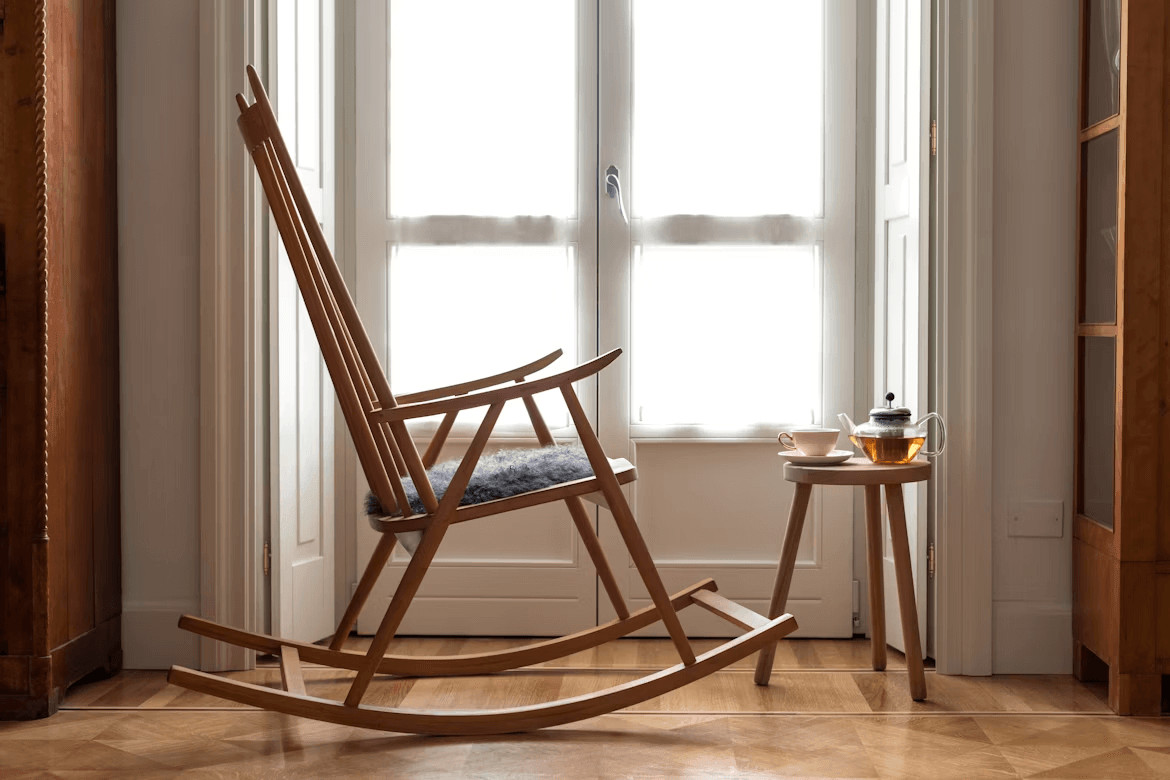
The way furniture encourages movement is also something many people feel comfortable with. Not least, seating that allows gentle motion, which can be especially soothing for some people. Over the years, products such as rocking chairs for mental health units have been developed for environments where it is important to maintain a high level of comfort, durability and emotional wellbeing. These same principles can inspire families who are looking to create peaceful spaces at home, such as reading corners or sensory-friendly areas.
Which Furniture Features Help Create a More Relaxing Space?
When it comes to selecting furniture, appearance is only one part of the equation. Other factors, such as comfort, usability and texture, can all influence how enjoyable a room feels.
Here are some features worth considering:
1. Soft, supportive seating
Ideally, chairs and lounges should feel comfortable without being too difficult to get in and out of. If they have good support, it will also encourage people to spend time relaxing rather than constantly shifting into positions where they feel happy.
2. Rounded shapes
Furniture with rounded corners often creates a softer visual impression than pieces with sharp, angular designs. They can make family spaces feel more welcoming. Especially in homes with young children.
3. Natural materials
Timber, cotton, wool and other natural finishes can all add warmth to a room. These materials often introduce texture without making the space feel busy.
4. Simple layouts
Leaving room to move comfortably between furniture helps to create a calmer environment. It also creates open walkways that make family spaces more practical for everyday living.
How Can Gentle Movement Support Relaxation at Home?
For many people, movement plays an integral role in helping them to relax. Babies are one obvious example, as rocking has long been associated with their comfort and settling. However, that same gentle motion can also benefit older children and adults.
Rocking chairs, for instance, have become popular additions to reading nooks, nurseries and quiet corners across Australia. They are seen as encouraging slow, repetitive movement, which many people find soothing after a busy day.
For children who experience sensory overload, having a dedicated calming space with comfortable seating may offer an opportunity to slow down and reset. It can offer them a peaceful sanctuary away from noise and distractions, which can be especially valuable during stressful moments.
Adults can also enjoy the simple rhythm of rocking, most often while reading, listening to music or enjoying a cup of tea. Indeed, sometimes the most effective way to unwind is simply to sit still and let gentle movement do the rest.
What Colours, Materials and Shapes Create a Calmer Environment?
Arguably, furniture works best when it complements the rest of the room. In particular, soft, earthy colours such as warm whites, muted greens, pale blues and natural timber tones are used to create a relaxed atmosphere. These colours tend to pair well with daylight and suit many different styles of Australian homes.
At the same time, texture plays a part, too. The likes of cushions, woven throws, timber finishes and upholstered seating can all add warmth to a room without overwhelming it.
Shape can also influence how welcoming a space feels. Curved furniture, circular rugs and rounded accessories will naturally soften the appearance of a room. They tend to balance the straight lines of walls, windows, and cabinetry to good effect.
Which Rooms Benefit Most From Calming Furniture?
Different rooms in the house can benefit from furniture in different ways. For instance, as the living room is where families spend much of their time together, comfortable seating can be arranged to encourage conversation and create a more welcoming environment for everyone.
Similarly, in children’s bedrooms, calming furniture can support both play and rest. Just adding a comfortable reading chair or a quiet corner gives children somewhere to enjoy books or screen-free activities before going to sleep. Even a small unused corner can become a peaceful retreat with a comfortable chair, soft lighting and a small side table.
Lastly, home offices are another area that can benefit from comfortable seating and a less cluttered workspace.