
Windows do much more than bring in daylight. In a family home, they affect safety, comfort, noise levels, and how well each room works from morning to night. Whether you live in Pasadena or another growing community, families often discover that small window issues can turn into daily frustrations. A drafty bedroom, a frame that sticks, or a lock that does not work smoothly may seem minor, but those issues can disrupt routines and make rooms harder to use.
Replacing older windows can make a home feel brighter, quieter, and easier to manage. The value goes well beyond appearance. Better windows can improve the places where children sleep, play, read, and do homework while also making life simpler for parents.
Safer rooms for kids
Children quickly notice when a room feels uncomfortable, and they are just as likely to find anything unsafe. That is why older windows deserve a close look, especially in bedrooms and playrooms. Worn locks, sticking frames, drafts, and sashes that barely move can all create ongoing problems.
If a window is hard for an adult to open, it becomes frustrating on warm days when fresh air would help. If it does not close properly, that creates a different concern. Families researching Pasadena window replacement options are often trying to create rooms that feel more secure, more comfortable, and easier to use without constant upkeep.
Windows do not need to be completely broken before they are worth replacing. Small problems matter too. A loose lock or a frame that catches in one corner may not seem urgent, but reliable function brings real peace of mind in a home with curious children.
Why old windows matter
Older windows can quietly make family life harder. One bedroom may feel chilly at night while another overheats by afternoon. Children may not know why a room feels off, but they notice the discomfort immediately.
For babies and toddlers, uneven temperatures can interrupt naps and bedtime. For older children, glare on a desk or outdoor noise coming through the glass can make reading and homework more difficult. Aging windows may also allow more outside sounds into the home, including traffic, barking dogs, leaf blowers, delivery trucks, and nearby conversations.
Sun exposure is another common issue. Older windows can let in intense sunlight that overheats a room and fades rugs, furniture, books, and children’s artwork. On their own, these problems may not sound major. Together, though, they shape how comfortable and functional a home feels every day. Better windows often improve these small but meaningful parts of family life.
Making play spaces brighter
Natural light can completely change the feel of a room. A dim corner can become a cheerful place for coloring, building blocks, reading, crafts, or puzzles simply because the light improves. Children naturally gravitate toward spaces that feel bright and inviting.
Updated windows can help bedrooms, study nooks, and indoor play areas feel more open and usable. They can also reduce the need for lamps during the day, making spaces feel fresher instead of shut in. That matters in rooms where kids draw, read, or work on school projects after class.
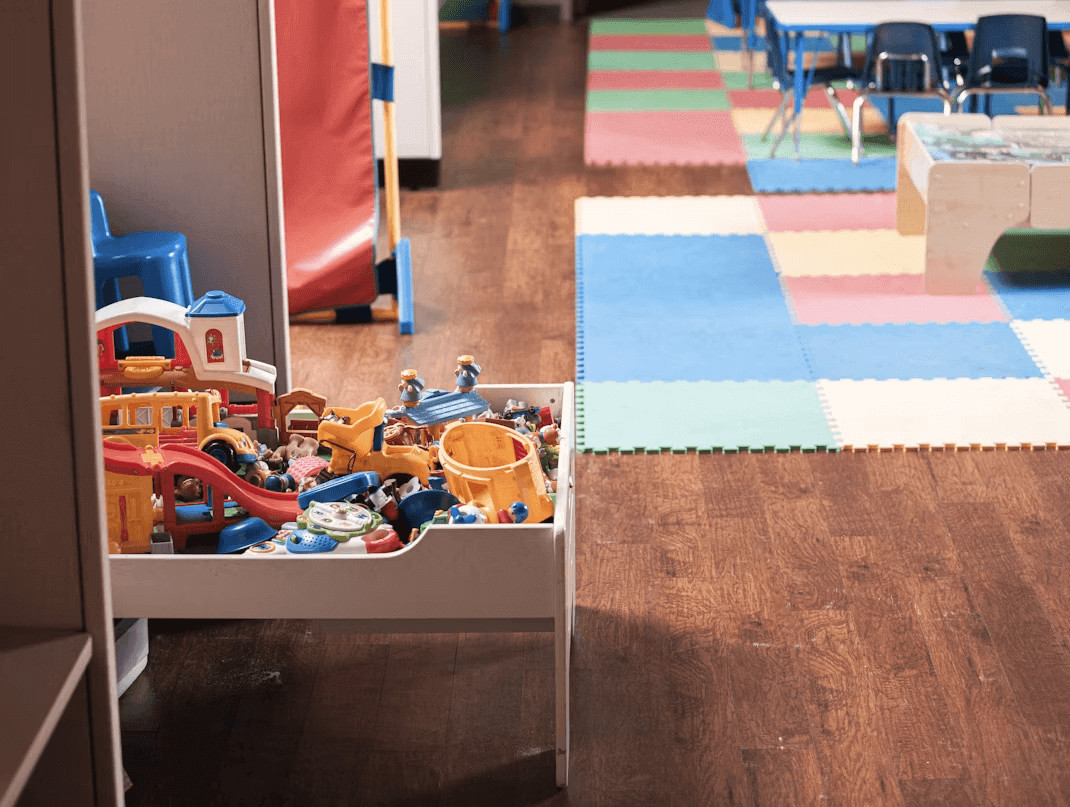
The goal is not to create a perfect showroom. It is to make everyday spaces easier to enjoy. A sunny spot by a window can become the natural place for story time, quiet play, and family activities. Better light often helps support better routines, and that can make a noticeable difference in how a room is used.
Simple safety features
Kid-friendly window updates do not need to be complicated. Often, the most important features are the simplest ones: secure locks, smooth opening and closing, and windows adults can operate easily and confidently.
For families who enjoy fresh air, controlled ventilation is important. Windows should open enough to bring in a breeze while still allowing parents to feel in control of the space. In rooms children use often, that balance between comfort and supervision matters.
Smooth operation also makes a bigger difference than many homeowners expect. A window that sticks, slams, or needs force becomes irritating and may not be used properly. A well-functioning window simply works when needed. In a busy household, that is one less daily hassle to deal with.
Comfort through every season
When windows perform better, rooms usually feel more consistent throughout the day and across the seasons. That kind of stability matters in a family home. A cooler bedroom on a hot afternoon can make naptime easier, while a less drafty room at night can make bedtime calmer and more comfortable.
The biggest changes are often most noticeable in the spaces children use every day. Bedrooms, homework areas, and playrooms may feel less likely to swing from too warm to too cool. That can mean fewer complaints, fewer struggles over fans or blankets, and fewer late-night visits from children who are uncomfortable in their rooms.
Comfort is not only about the thermostat. It is about how a space feels when a child is resting, playing, or trying to focus. Better windows can reduce the need to constantly adjust blinds, fans, or heating and cooling settings just to keep a room usable.
Less noise, calmer days
Outside noise can affect the mood of an entire household. Traffic, barking dogs, lawn equipment, delivery vehicles, and nearby voices can interrupt naps, playtime, and after-school concentration. Some children can ignore those sounds, but many notice every disruption.
Improved windows can help reduce that steady background noise. Parents may find that bedrooms feel calmer, study time becomes less distracting, and shared spaces feel more peaceful overall. This can be especially helpful for younger children who wake easily and older kids who need quiet to read or finish homework.
A calmer home does not mean perfect silence. That is unrealistic in most houses with children. It simply means reducing unnecessary outdoor sounds that make everyone feel a little more distracted or tense. When outside noise is lower, indoor routines often become easier to manage.
Planning a family update
If you are considering window replacement, start with the rooms your children use most. Bedrooms, play areas, and homework spaces are often the best places to begin. You do not need to update the entire home at once to notice a meaningful improvement.
Before choosing new windows, think about your main priorities. You may want easier operation, more even comfort, less outdoor noise, better light, or a combination of those benefits. Being honest about what bothers you most in daily life usually points you toward the right upgrade.