You don’t need a giant classroom plan or a Pinterest board bursting at the seams to help kids learn inclusion. A simple project at the kitchen table, in the backyard, or during group play can do a lot. When kids build, paint, sort, plant, or create together, they learn how to make room for different ideas and different needs. That’s a big deal. Inclusion sounds like a serious grown-up word, but for kids, it often starts with one simple lesson: everybody gets a place at the table.
Why Inclusion Matters
When kids work on projects together, they learn more than how to glue popsicle sticks without gluing their fingers too. They learn patience, cooperation, and how to notice what someone else might need. Those are life skills, not just school skills. If you want children to grow into kind and thoughtful people, inclusive activities give them real practice.
This matters at home, in classrooms, and in community spaces. Some parents and caregivers also become more curious about how to support children with different learning needs in a deeper way. For some, that can even lead to exploring an online special education degree if they want to build a career around helping students thrive. Whether you’re thinking as a parent, teacher, or future educator, the goal is the same. You want kids to feel seen, included, and capable.
Start with Simple Projects
The best inclusive projects are often the easiest ones. You don’t need complicated steps or fancy supplies. In fact, simple activities usually work better because kids can jump in without feeling overwhelmed. A big messy plan can make some children shut down before the fun even starts.
Try projects like these:
– Painting with sponges or brushes
– Building with blocks or cardboard boxes
– Planting seeds in small cups
– Sorting buttons by color or size
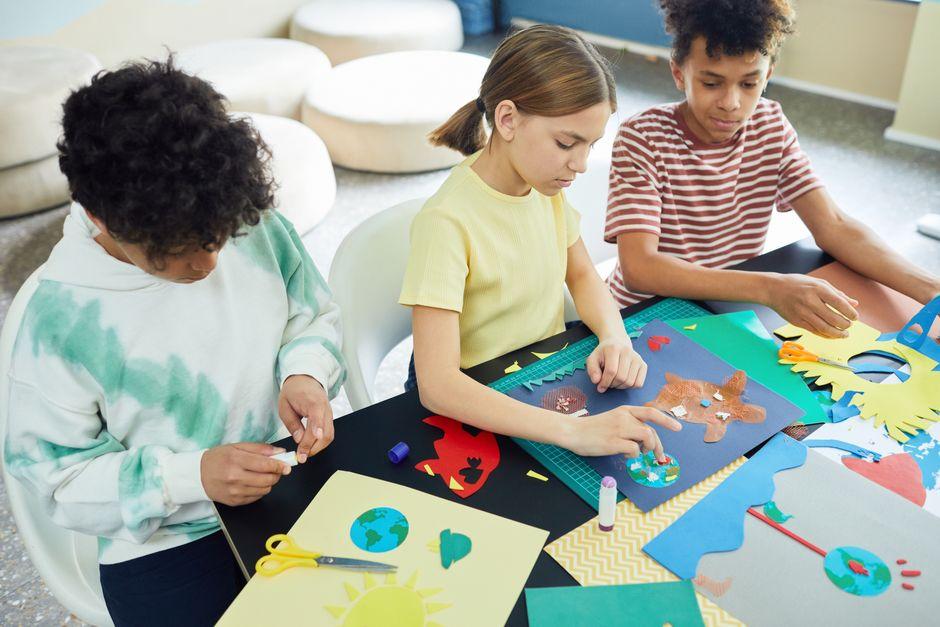
– Making a collage with cut paper and stickers
These activities leave room for different ability levels. One child might carefully line up pieces while another glues them down. One might talk through every step, while another prefers quiet focus. That’s okay. A project doesn’t need everyone doing the exact same thing to be successful. Think of it like a band. Not every kid has to play the same note to make good music.
Make Space for Every Child
Inclusion works best when you plan for flexibility. That doesn’t mean turning every craft into a major production. It just means noticing what helps each child join in more comfortably. Small changes can make a big difference.
You can offer different roles during the same activity. One child can gather supplies. Another can decorate. Someone else can help clean up or hand out materials. This lets kids participate in ways that match their comfort and strengths. It also sends a quiet but powerful message: every role matters.
Clear directions help too. Show an example instead of only explaining it. Break the project into smaller steps. Give kids extra time if they need it. If a child gets overwhelmed by noise or movement, a calmer corner can help them reset without feeling left out. You’re not lowering expectations. You’re removing roadblocks. That’s not coddling. That’s smart hosting, kid edition.
Teach Empathy Through Action
You can tell kids to be kind all day long, but they really learn it when they have chances to practice. Shared projects create those moments naturally. A child notices that a friend needs help opening paint. Another waits an extra few seconds for someone to finish a turn. These tiny choices are where empathy starts growing roots.
You can gently point out what’s happening without turning it into a lecture. Try saying things like, “You made room for her idea,” or “I saw how patient you were.” This helps kids connect their actions with the feeling of inclusion. It makes kindness feel real, not just like a poster on a wall.
It also helps to celebrate different strengths out loud. Maybe one child is great at planning. Another has endless creative ideas. Another stays calm when things get messy, which is basically superhero behavior during craft time. When kids see that everyone brings something useful, they stop thinking in terms of who is best and start thinking in terms of how people help.
Use Routines That Help
A good routine can make inclusive projects feel smoother for everyone. Kids often do better when they know what’s coming next. It lowers stress and saves you from repeating yourself seventeen times before lunch.
Start by previewing the activity in simple words. Tell kids what they’ll make, what supplies they’ll use, and how long it may take. Keep materials easy to reach and somewhat organized. You don’t need magazine-worthy bins with matching labels, but a little order helps.
A few routines that work well include:
– Showing the finished example first
– Using the same setup spot each time
– Giving a two-minute warning before cleanup
– Keeping steps short and predictable
– Letting kids ask for help in a simple way
These routines support confidence. Kids don’t have to spend all their energy figuring out what’s going on. They can focus on participating. That’s especially helpful for children who need more structure or processing time. Predictability may sound boring to adults, but to many kids, it feels safe. And safe kids tend to join in more.
Celebrate Progress, Not Perfection
If you want inclusive projects to stick, let go of the idea that the end result needs to look perfect. Seriously, if the paper crown is crooked or the birdhouse paint ends up on someone’s elbow, you’re probably still doing great. The real win is that kids felt included while making it.
Notice the small progress points. Maybe a child tried something new. Maybe they stayed with the group longer than usual. Maybe they asked a friend for help instead of giving up. Those moments count. They often matter more than the finished craft sitting on the counter.
When you focus on connection over perfection, kids relax. They get braver. They start seeing group activities as places where they belong, not places where they might fail. That kind of confidence can spill into school, friendships, and daily life. So keep the projects simple, keep the expectations human, and keep making room for every child. Inclusion doesn’t need to be fancy. It just needs to be practiced, one kind little project at a time.