
Working from the kitchen table used to be a temporary arrangement for most families, but these days it has become a permanent fixture in daily life. Between video calls, homework assignments, and streaming shows for younger kids, a home has to support several different tech needs at once. Setting up a workspace that actually functions well for the whole household takes more thought than simply plugging in a laptop and hoping for the best. A little planning upfront saves a lot of frustration later, especially when multiple family members are competing for bandwidth and desk space at the same time.
Many parents underestimate how quickly a home office can become cluttered with cables, outdated routers, and devices that no longer talk to each other properly. This is where getting some outside guidance can make a real difference, particularly for families running a small business or handling sensitive work documents from home.
Consider working with a managed IT services provider to set up your equipment correctly from the start, so you’re not troubleshooting a dropped connection during an important meeting while your kids are asking for snacks in the background. Getting professional support early can prevent many of the headaches that often come with a rushed do-it-yourself setup.
If you’re in the Encino area and need expert assistance, searching for “managed IT services Encino“ is an easy way to find local providers that can help you choose, install, and maintain a reliable home office setup.
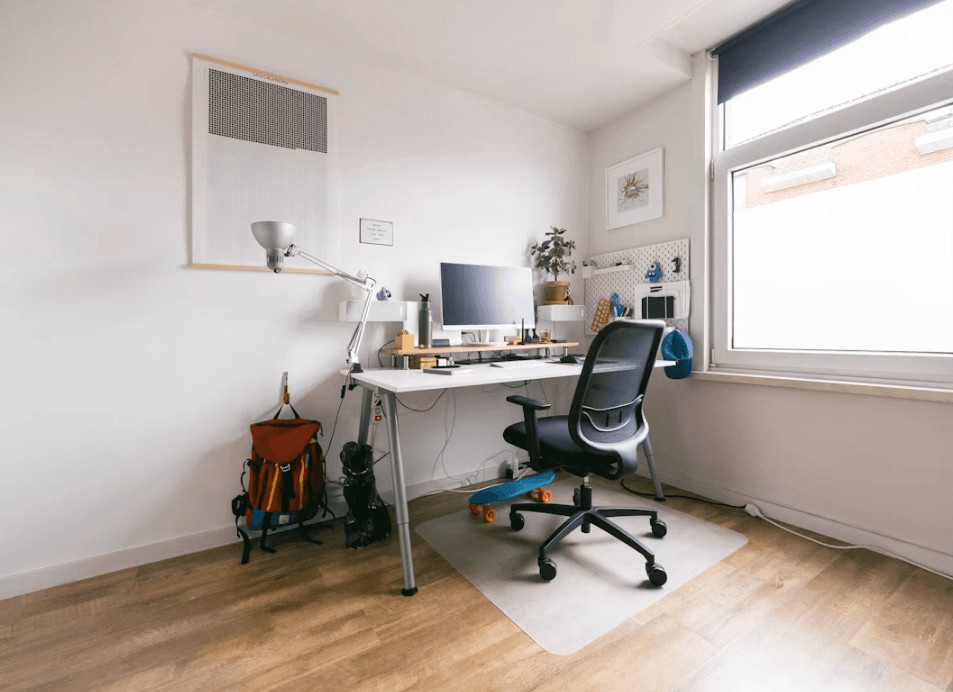 Photo by Arthur Lambillotte
Understanding the Risks: Common IT Vulnerabilities in Family Workspaces
Home networks were never really designed to handle work laptops, school tablets, gaming consoles, and smart speakers all running at once. This mix creates weak points that a typical office building would never have, since a corporate network usually has dedicated staff watching for issues around the clock.
At home, an outdated router firmware update, a forgotten password change, or an old device still connected from years ago can all quietly create openings that nobody notices until something goes wrong. Families juggling remote work and virtual school often do not have time to audit their setup regularly, which means small problems can pile up unnoticed for months.
Another overlooked issue is simply the sheer number of devices connected to a single home network. A household with two working parents and a couple of school-age kids might easily have fifteen or more devices online at any given time, from phones to smart TVs to fitness trackers.
Each additional device adds another potential point of failure, whether that is a slowdown in speed or a compatibility issue with an older piece of hardware. Taking stock of what is actually connected to your network, and removing anything unused, is a simple habit that keeps things running more smoothly overall.
Essential Hardware Setup for a Secure Home Office
A dependable home office starts with hardware that actually matches how the space gets used. A router that was fine for casual browsing five years ago probably cannot keep up with multiple video calls happening simultaneously, so an upgrade is often the first practical step.
Wired connections tend to be more stable than relying entirely on Wi-Fi, particularly for the primary work computer, since a physical cable is less likely to drop mid-call. Investing in a decent monitor, a comfortable chair, and proper lighting also matters more than people expect, since these small comfort details add up over long workdays.
Surge protectors and battery backups are frequently an afterthought, but they matter quite a bit for families juggling schoolwork and job responsibilities under one roof. A sudden power flicker can wipe out unsaved work or damage equipment that would be costly to replace.
Labeling cables and keeping a tidy setup also reduces the chances of someone unplugging the wrong thing by accident, which happens more often than you would think in a busy household with curious kids around.
Network Security Fundamentals Every Parent Should Know
The National Institute of Standards and Technology, referenced through the NIST Cybersecurity Framework, outlines a widely used approach for organizing digital protections in a structured, manageable way.
While that framework was built with organizations in mind, the underlying idea of identifying assets, setting protections, and monitoring regularly translates reasonably well to a household setup too. Changing default router passwords, keeping firmware updated, and separating guest access from your main network are all practical steps that take relatively little time but offer meaningful benefits.
Protecting Children While Working from Home
Balancing work responsibilities with keeping an eye on your kids’ screen time is one of the trickier parts of a shared home workspace. Parental controls built into most routers and devices allow you to set reasonable time limits and filter content without hovering over every browsing session.
For families looking for more structured guidance on this balance, our parenting guides section covers practical approaches to managing screen time that fit different age groups and family routines.
Creating Separate Work and Play Zones (Physical & Digital)
Physical separation between a work desk and a kids’ play area helps everyone stay focused, even in smaller homes where space is limited. A room divider, a designated corner, or even just a different room for calls versus play can cut down on interruptions significantly. Digitally, having a separate device or user profile for work tasks versus family entertainment keeps things organized and reduces the temptation to mix the two.
Backup and Data Protection Strategies
Losing important files to a hardware failure is frustrating at any time, but it becomes especially stressful when work deadlines and family schedules are already tight. A simple backup routine, whether through cloud storage or an external drive, protects against this kind of setback without requiring much daily effort.
When to Call in the Professionals: Managed IT Services Benefits
There comes a point where troubleshooting network issues alone stops being a good use of anyone’s time, especially when work and family responsibilities are already stacked high. Bringing in professional support for setup, monitoring, and maintenance frees up hours that would otherwise go toward fixing problems that a specialist could resolve much faster.
Conclusion: Building a Balanced Tech-Safe Environment
A well-organized home office does not need to be complicated, but it does need a bit of intention behind the setup. Taking the time to sort out hardware, network basics, and clear boundaries between work and family life pays off in fewer disruptions and a calmer household overall.