What does a typical kindergarten day look like on the other side of the world? For American parents used to the rhythms of US schools, Singapore offers an interesting point of comparison. The country is known for its strong education system, but its early-years classrooms are not simply about getting ahead academically. Play, exploration, creativity, and independence can all be part of the school day.
At a typical kindergarten in Singapore, children may spend their day moving between structured lessons and hands-on activities. Depending on the school, programs may follow the Ministry of Education’s NEL (Nurturing Early Learners) framework or an international curriculum. Both approaches can give children opportunities to build language skills, social confidence, and critical thinking.
Kindergarten is about much more than learning letters and numbers. A thoughtfully planned day gives children time to play, create, ask questions, move their bodies, and explore the world around them. There is structure, but there is also room for curiosity.
Here is a closer look at what a typical day might be like for a kindergarten student at an international school in Singapore.
Arrival and Settling In
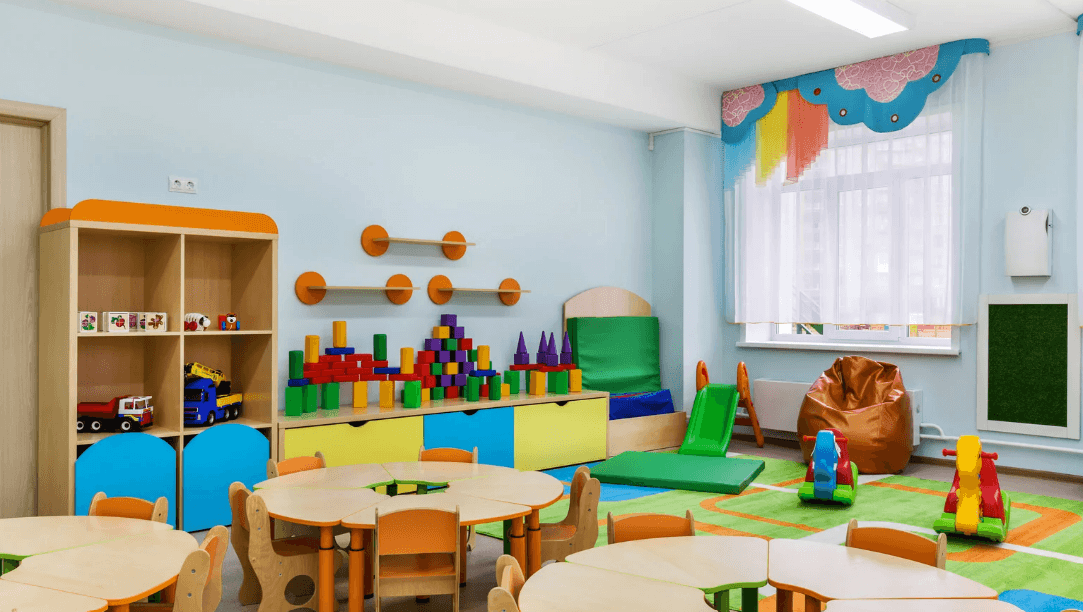
The first few minutes of the school day can set the tone for everything that follows. A familiar arrival routine helps children feel comfortable and know what to expect.
As children enter the classroom, teachers help them put away their belongings and prepare for the day. Over time, children learn to complete more of these simple tasks on their own. This gentle start can be especially helpful for children who are adjusting to a new school or life after an international move.
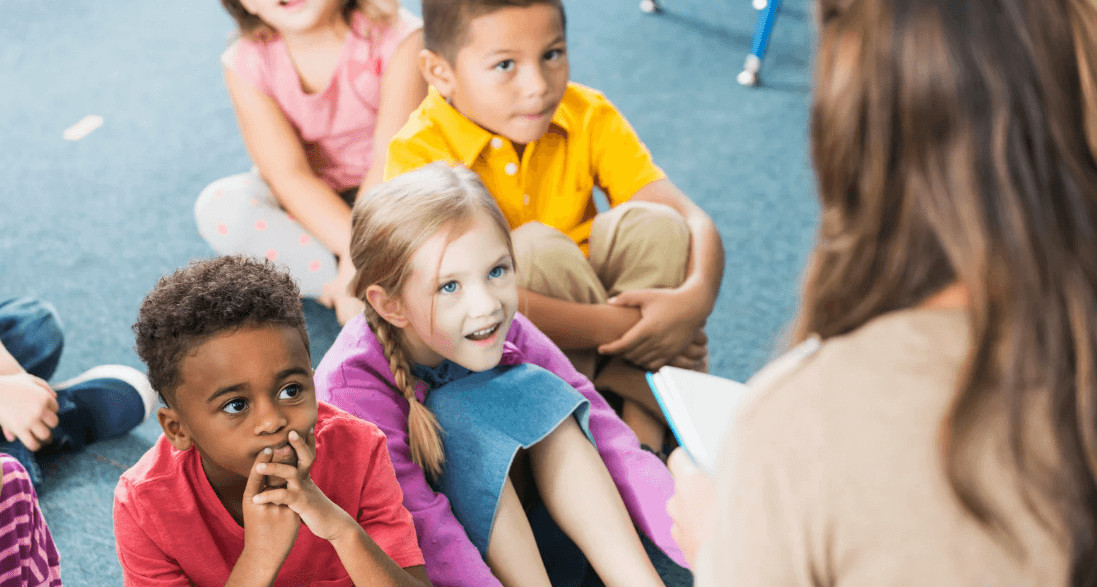
Next, the class may gather for a morning circle. Children greet their classmates, identify their feelings with visual check-in charts, look at the day’s schedule, and discuss an opening question connected to what they are learning.
This routine gives children a chance to practice speaking and listening. It also helps teachers see how each child is feeling and whether anyone might need extra support that morning.
Lessons Through Inquiry and Direct Instruction
Instead of separating every subject into its own lesson, teachers may connect reading, math, science, and other subjects through shared questions and real-world topics.
For example, students might read The Three Little Pigs and talk about how homes and bridges are built. They could use wooden blocks to explore geometric shapes, measure and compare structures, test which materials can hold weight, and explain their ideas to classmates.
Teachers also provide direct instruction in important skills such as phonics, early handwriting, and number relationships. Inquiry then gives children a chance to use those skills for a purpose.
Children learn how to read and count, but they also learn why observing, recording, testing, and communicating their ideas matter. This mix keeps lessons focused while giving young children opportunities to stay active and curious.
Language Learning Throughout the Day
Children can learn a new language through activities that are part of their regular school day rather than through drills alone.
Music, storytelling, movement, pictures, and conversations can all introduce new words and expressions. For children learning a second language, hearing and using it regularly can help build listening skills, speaking confidence, and vocabulary.
These everyday experiences also give children low-pressure opportunities to try unfamiliar words, make mistakes, and become more comfortable communicating in another language.
Specialist Programs
Music, physical education, and visual arts give children opportunities to move, create, and develop new skills. A well-rounded early-years timetable might include:
- Music activities, such as violin instruction or rhythmic movement, that help children practice listening, coordination, and concentration.
- Physical education activities that build gross motor skills, spatial awareness, endurance, and water safety.
- Visual arts activities that let children work with different materials, explore color, and turn their ideas into something they can see and share.
These classes teach skills that carry into the rest of the school day. A child might learn to follow a musical rhythm, wait safely by the pool, adjust a movement after receiving feedback, or explain why they made a certain artistic choice.
Along the way, children practice patience, focus, and self-control while discovering activities they may continue to enjoy as they grow.
Hands-On Innovation and Outdoor Discovery
Kids often learn best when they can test an idea for themselves. Some early-learning environments include makerspaces with real tools, wooden blocks, craft materials, and age-appropriate technology.
With careful supervision, a child might build a model bridge, watch how it bends under pressure, and work with classmates to make the structure stronger. Instead of only hearing how something works, children get to experiment, make changes, and see the results.
Learning also continues outside the classroom. Early-years facilities may include protected play structures, sensory gardens, splash pads, and other spaces designed for exploration.
Children might measure the growth of a plant, explore movement and physical forces through water play, make up rules for a game, or solve a problem with friends. These activities show children that learning can happen almost anywhere, not just while sitting at a desk.
Social-Emotional Learning
Kindergarten is also where children practice being part of a group. Throughout the day, they learn to share materials, work with classmates, eat together, listen to others, and handle small disagreements.
Teachers do not always need to solve every problem for them. Instead, they can guide children through the process. One child might explain how they feel, another can practice listening, and both can work toward a fair solution.
Everyday routines matter, too. Lunchtime, cleaning up, and taking care of personal belongings help children become more independent and learn to respect shared spaces.
Choose the Right Path for Your Child
Looking at a kindergarten day in Singapore offers US parents a useful glimpse at how early education can take different forms around the world. While school systems and expectations vary, many of the building blocks of a positive kindergarten experience are familiar: learning through play, developing academic skills, making friends, becoming more independent, and having plenty of opportunities to explore.
When considering any early-learning program, whether at home or abroad, parents can look at how the curriculum, specialist programs, facilities, and teaching approach shape a child’s everyday experience. A good fit should help children build important skills while still giving them room to move, create, experiment, and play.
Singapore may be thousands of miles from the US, but the goal is one many parents will recognize: helping children develop the confidence, curiosity, and independence they need for the next stage of school.