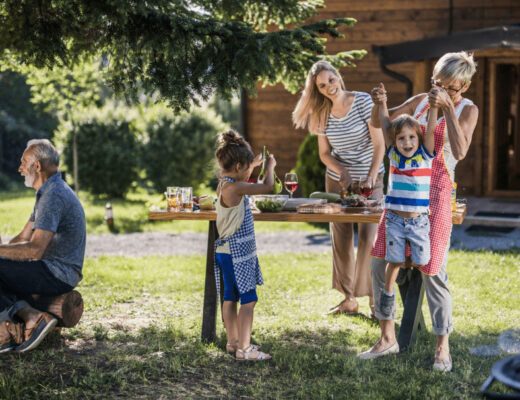
Families often track the dog’s day in meals. Fed at seven, fed at six, done. Movement gets whatever is left over, which some weeks is a lot and other weeks is a lap to the mailbox.
Worth rethinking, though. A dog’s body responds to what happens on ordinary days, not the good ones. And ordinary days are exactly where kids can help.
The Boring Daily Stuff Beats the Big Saturday Hike
A dog that lounges around all week and then does six miles on Saturday is a weekend warrior, and a sudden jump in activity can put extra strain on muscles and joints and increase the risk of injury. Steady, moderate movement most days is easier on a dog’s body than one long push.
Part of that is muscle. The muscles supporting the hips benefit from regular, appropriate activity, which is the sort of thing a family can actually pull off on a Tuesday. The goal is not more exercise, exactly. It is more consistent exercise, at a level the dog handles without limping the next morning.
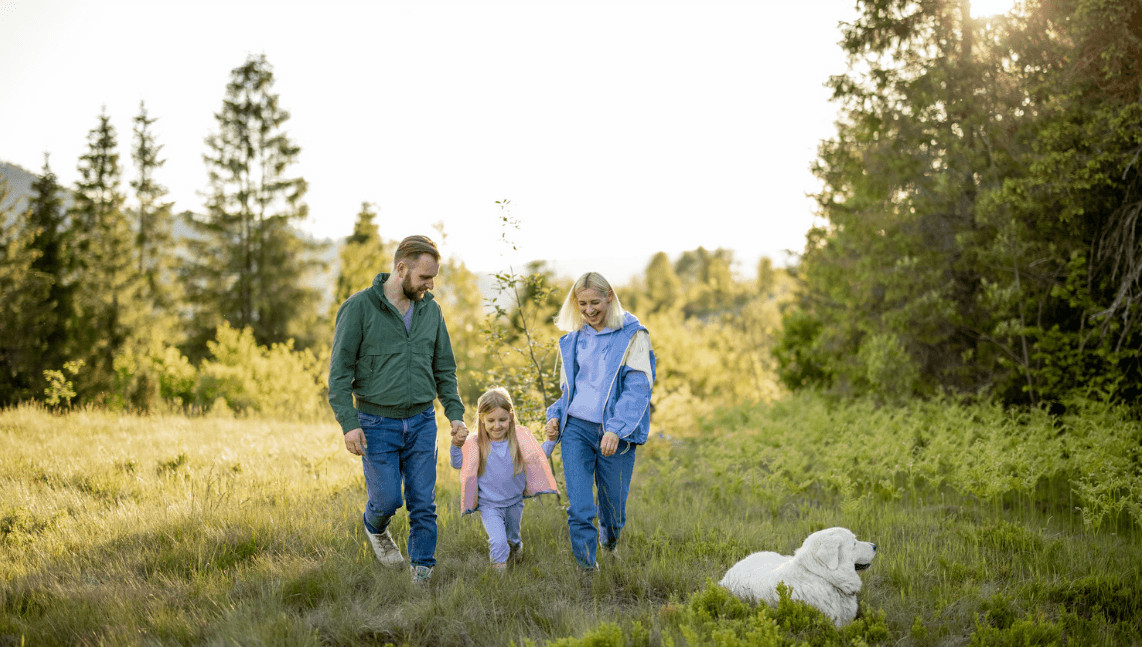
Kids Notice Things Adults Walk Right Past
Kids are closer to the ground, and they stare. That combination makes them decent observers.
Ask a seven-year-old to watch how the dog gets up from a nap and you will get a report.
Taking the stairs one at a time. Sitting with a back leg kicked out to the side. Slower to stand than last month. Running with both back legs together, sort of a hop.
Any of it might be nothing. Set the rule out loud so nobody is guessing: kids notice, adults decide. A child’s job is to say what they saw, and a parent’s job is to mention it to the vet if it keeps showing up.
Give the noticing a name. “Dog check” before dinner, ten seconds, no clipboard required.
Weekly dog check for kids: How does the dog stand up after a nap, how does it handle the stairs, and does it still want the second lap around the block? Then tell a grown-up what you saw.
Making Movement Part of Your Family’s Pet Routine
Habits that stick get attached to something that already happens. Right after school. Before dinner. That is the trick: hook the walk to a routine you already keep instead of hoping somebody remembers.
For many dogs, shorter and regular is easier to manage than one long session, especially while you are building fitness or working around an older dog’s pace. Two ten-minute laps can beat one that leaves everybody dragging.
Let kids run the sniff walk, where the dog gets time to explore scents while an adult keeps control of the route and leash. It looks like nothing much. It is real physical and mental work for the dog. It is also a version of a walk a young child can help with while an adult keeps control of the leash.
For fetch, fewer reps and less skidding. Roll the ball along the ground instead of throwing it high, and stop before the dog is wrecked. Sharp turns and hard stops at full speed can put extra stress on the joints. For older or larger dogs, families may also want to understand the basics of supporting healthy hips in dogs, particularly as their dog gets older. If your dog already shows stiffness, pain, or changes in movement, though, that is something to discuss with your veterinarian.
Match the Job to the Kid
Not every kid can hold a leash. Fine. There is a version of this for every age:
- Ages 3 to 5: carry the ball, drop treats into a puzzle toy, count laps around the yard out loud.
- Ages 6 to 9: hold the leash with an adult hand above theirs, hide treats for a sniff game, run the dog check.
- Ages 10 to 12: lead short neighborhood walks with an adult along, set up backyard games, mark walks on a calendar.
- Teens: handle solo walks if the dog is manageable, take over training practice, flag anything that looks off.
All of it assumes an adult is close by, especially with younger kids, a strong dog, or a dog that has not met many children.
The point is not free labor. Kids stay interested in things they are actually trusted to do.
The Weight Part Nobody Loves Hearing
Extra pounds load the joints on every step, and plenty of dogs are carrying them. Cornell’s Riney Canine Health Center points out that obesity stresses a dog’s joints and suggests weighing your dog every month so changes do not sneak up on you. The AVMA makes a related point: a healthy weight is something to work out with your vet.
Here is the family angle. Kids are usually the treat dispensers, and nobody is counting.
Try a jar. Each morning, put in the treats you have planned for the day, and when the jar is empty, it is empty. Works better than a lecture.
Hands beat eyes on this one. You should be able to feel your dog’s ribs under a light layer without pressing hard. If that is tricky, ask your vet to help you assess your dog’s body condition.
Puppies and Old Dogs Play by Different Rules
Puppies look indestructible and are not. Their bones are still developing, so repetitive high-impact activity, long runs on hard surfaces, and repeated jumping may not be appropriate while they are still growing. Exactly how much exercise is suitable depends on factors such as breed, size, age, and individual development, so this is another area where your veterinarian is a better guide than a one-size-fits-all chart online.
Older dogs may do better with shorter, more frequent walks, depending on their health and fitness. For dogs with mobility problems, improving traction at home can also make movement easier. Slick floors can be difficult for a dog with sore hips, and a few runners laid between the couch and the back door are a fifteen-minute fix. Also a job a kid can own completely.
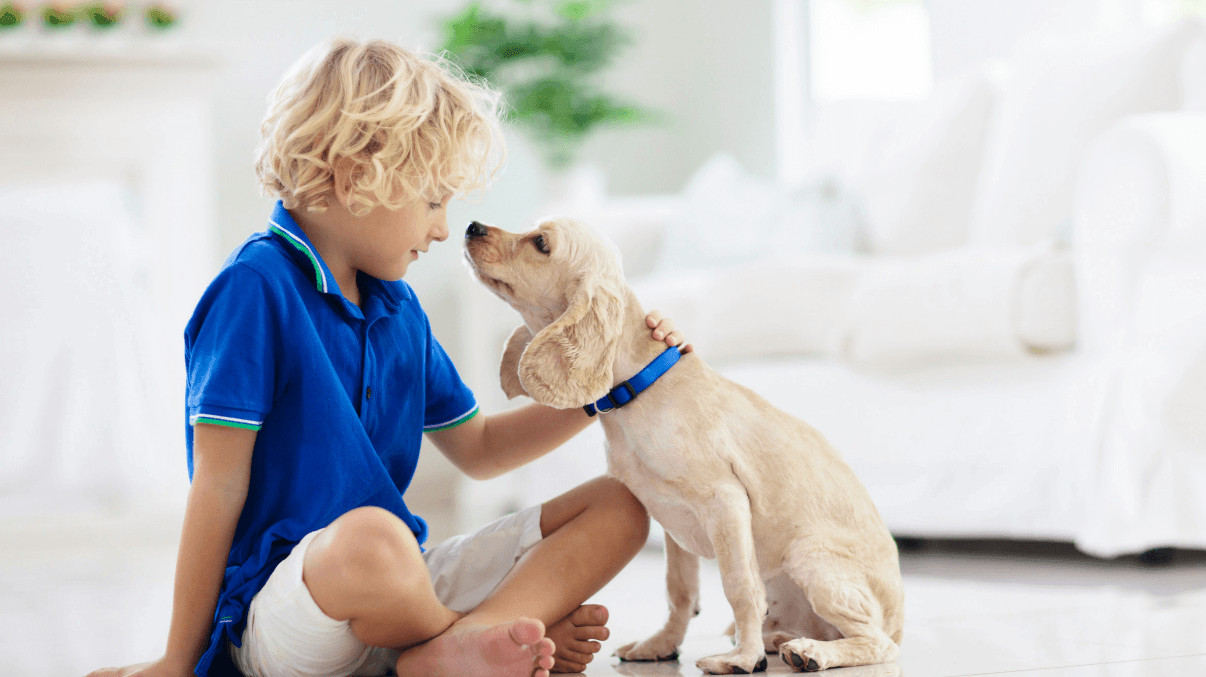
Make It a Project, Not a Chore
Backyard sniff course. Cardboard boxes to nose around, a plank laid flat on the grass, a muffin tin with treats hidden under safe objects, a towel folded into a simple scent game. Keep everything low to the ground, nothing to jump over, nothing small enough to swallow.
Adults stay out there for this part. Kids build it, kids rearrange it, and somebody keeps an eye on the dog so a cardboard box does not quietly become a chew toy.
The dog gets ten minutes of moving and thinking, which can be surprisingly tiring for a lot of dogs.
Family Activity Tip: Let kids redesign the backyard sniff course once a week using cardboard boxes, towels, and other dog-safe household items. Keep everything low to the ground, skip anything the dog could swallow, and have an adult check the setup before the exploring begins.
None of this needs a laminated schedule on the fridge. Ten minutes after school, a slow lap around the block, a backyard sniff game, or a kid who notices the dog is taking the stairs differently can all become part of family life. The best routine is one the kids can help with and the dog can comfortably enjoy most days.
If a dog develops persistent stiffness, limping, difficulty getting up, a noticeable change in gait, or reluctance to move, that is a reason to talk with a veterinarian rather than simply trying to exercise through it.