On Saturday mornings, you can usually tell how the yard has been living. The grass looks a little thinner near the gate, there is a worn track by the swing, and a few weeds seem to show up overnight after rain.
When the lawn feels steady, families use it with less hesitation. A reliable lawn care and weed control service supports that steadiness through weed management, fertilization, irrigation, and sprinkler maintenance, so the yard feels more like a safe extra room than another thing on the list.
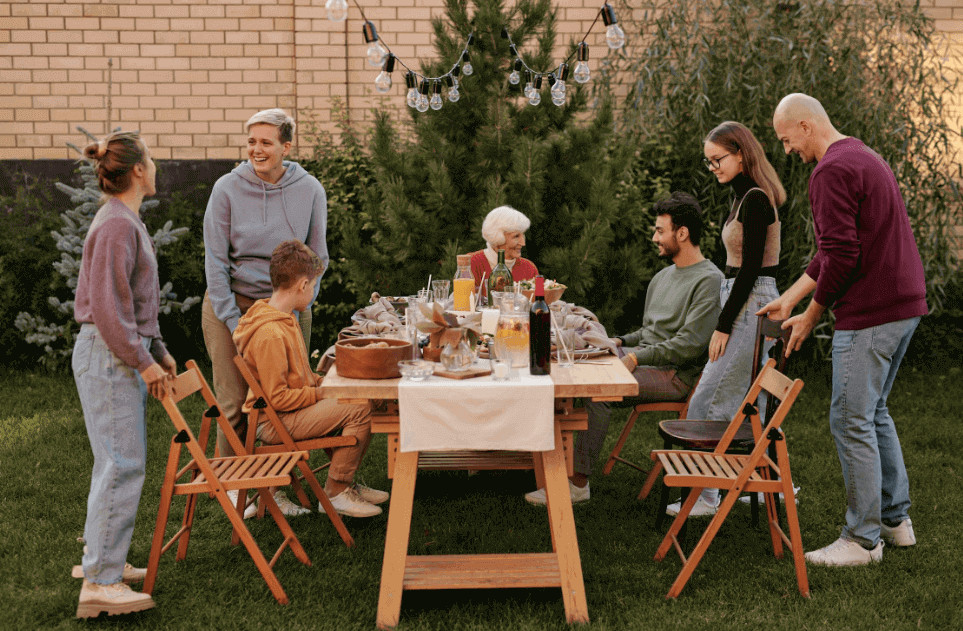
Photo by Askar Abayev
A Safer Yard For Play
Kids treat grass like flooring, and they test it for hours. They sprint after a ball, drop to the ground mid game, and bounce back up. Toys and scooters grind the same routes until soil starts showing. When grass stays dense, the whole yard feels more forgiving.
A thicker lawn can soften small falls and reduce slipping on loose soil. It also cuts down on dust that drifts toward doors, windows, and patio seating. That matters when play flips quickly into snack time indoors. It also means less grit tracked into entryways.
Strong turf roots hold soil during storms and sudden downpours. University extension guidance notes that turfgrasses can act as a buffer that helps reduce runoff and erosion. That support matters most near slopes and low spots.
That steadier ground also helps when you add simple play features. A DIY backyard obstacle course works better when the surface stays firm and level. Kids focus on balance and speed, not on avoiding slick patches. Adults also spend less time resetting cones and lines.
A healthier lawn can also make outdoor hangouts easier for adults. Chairs sink less into wet spots, and coolers sit flat. You spend less time fixing problems and more time watching kids play. Even small gatherings feel smoother when footing stays predictable.
Fewer Weeds, More Comfort
Weeds are not only a visual problem, they change how the yard feels. Broadleaf weeds can leave gaps, and spiky weeds can sting bare feet. Uneven patches can trip kids when they run at full speed. A cleaner surface makes barefoot time feel safer.
Weed pressure often rises when grass is thin, stressed, or shaded too long. Compacted soil, poor drainage, and patchy watering all create openings. Hot spells can turn a small weak spot into a bigger patch fast. The earlier weeds get addressed, the easier recovery tends to be.
Targeted weed control helps grass by reducing competition for light, water, and nutrients. When grass fills in, weeds have fewer places to take hold. The yard feels more consistent from one weekend to the next. That consistency is what families notice most.
Comfort matters for quiet time outdoors, not only loud games. A cleaner lawn supports blanket picnics, chalk time, and simple board games outside. Parents relax more when kids can sit anywhere without worry. That shift changes how often the yard gets used.
It can help to spot where weeds keep returning, then connect the pattern to a cause. Here are a few common clues that show up in real yards:
- Weeds near driveways can point to heat stress and dry soil.
- Clusters in low spots can signal poor drainage and soggy ground.
- Rings around sprinklers can mean uneven coverage or clogged heads.
Weed control also protects the effort already invested in the yard. When weeds crowd out grass, repairs take longer later. Keeping weeds in check supports a steadier lawn across the season. It also reduces the odds of bare soil spreading.
Stronger Grass That Handles Wear
Grass needs nutrients to grow dense enough for everyday wear. When soil runs low, lawns can fade in color and thin out. Thin grass exposes soil, and that often invites more weeds. Nutrition is part of what keeps grass resilient.
A fertilization plan depends on sunlight, shade patterns, and how the yard gets used. A sunny front lawn can need different timing than a shaded backyard edge. Soil type also changes how long nutrients stay available. That is why a one size schedule often disappoints.
Feeding grass at the right times supports steady growth through spring, summer, and fall. Dense blades shade soil and help moisture stay put longer. That supports recovery after play, pets, and short dry spells. It also helps the yard look even without constant patch work.
Families often notice fewer muddy zones when grass grows evenly. Bare spots collect water and churn up under running feet. Even coverage makes cleanup easier near doors after rain. It also keeps toys cleaner during play.
Balanced feeding also helps avoid stress from over application. The goal is steady density, not sudden growth spurts. A calmer pace supports a lawn that stays usable during busy weeks. It also helps reduce surprise bare spots after heat.
Even Watering, Fewer Bad Spots
Watering issues often show up before you see the cause. Dry stripes can point to a clogged nozzle, and soggy circles may mean a broken head. Both waste water and stress grass roots over time. These patterns can spread quickly during hot weeks.
Irrigation systems work best when coverage is even and timing matches the weather. Leaks or tilted heads can leave half the lawn thirsty all week. A brief inspection can catch problems before they spread outward. It also helps avoid watering sidewalks and driveways.
EPA WaterSense recommends a regular check of your irrigation system, looking for leaks, broken heads, and clogged nozzles.That routine supports healthier turf while reducing outdoor water waste. It also helps limit runoff onto hard surfaces after heavy watering.
Consistent watering supports deeper roots, which helps lawns handle heat and heavy use. Deeper roots also help grass spring back after active play. The yard stays more usable when summer schedules get packed. It also reduces the urge to overwater during stress.
Sprinkler maintenance also protects your time as a family. You spend less effort dragging hoses around. That matters on weeknights when daylight feels short. Even ten saved minutes can turn into a quick game outside.
More Time Outside As A Family
A healthy lawn does not need to look perfect to help a family. It needs steady footing, fewer problem weeds, and water that reaches each zone. Those basics make outdoor time feel easier and more inviting. The yard becomes a place you use, not manage.
When the yard feels reliable, kids head outside more often after school. That can mean a quick toss after dinner or a longer game before bedtime. Parents relax because the surface feels predictable under running feet. It also makes spontaneous play feel less messy.
Outdoor time can also be more varied when the lawn stays consistent. Planning a screen free family weekend is easier when the yard already feels inviting, because half the ideas on my list (scavenger hunts, relay races, blanket forts) work best on grass that stays firm and comfortable.

How a Healthy Lawn Supports Child Development
A healthy lawn does more than give kids room to run. It supports physical, social, and emotional growth in simple, everyday ways.
Thick, even grass gives kids a safer surface to test their limits. They practice cartwheels, race each other, and learn to ride bikes or play with family pets. These small challenges build balance, coordination, and body control. When the ground feels stable, kids feel more confident trying new skills.
Outdoor play on grass also strengthens large muscle groups. Running, jumping, climbing, and kicking all support strong legs and core muscles. These movements help with posture, endurance, and overall fitness. Regular active play supports healthy growth without feeling like exercise.
Open lawn space also encourages creative thinking. Kids turn grass into soccer fields, obstacle courses, or imaginary worlds. Unstructured play helps build problem solving skills and independence. It teaches kids how to make their own fun.
Time outside also supports emotional health. Fresh air and physical movement help reduce stress and improve mood. Many parents notice that kids sleep better and focus more after active outdoor play. A yard that feels safe and usable makes it easier to say yes to that time outside.
Social skills grow there too. Games on the lawn teach cooperation, turn taking, and communication. Even small disagreements during play help children learn how to solve problems and manage emotions.
A healthy lawn does not need to look perfect. It needs to be safe, even, and ready for daily use. When the yard feels dependable, it becomes a natural space for growth.
Simple Activities Families Can Do on Their Lawn
Here are easy ideas that work well on a steady lawn surface:
1. Backyard Picnic
Lay out a blanket and keep it simple. Sandwiches, fruit, and cold drinks turn an ordinary afternoon into something special. A thick lawn makes it more comfortable to sit and relax without worrying about weeds or muddy spots.
2. Obstacle Course
Set up cones, pool noodles, jump ropes, or buckets. Kids can crawl, jump, balance, and race. This builds coordination and burns energy fast. Even grass helps prevent slips during quick turns.
3. Family Sports Games
Soccer, kickball, tag, or catch all work best on even ground. A well maintained lawn reduces tripping hazards and keeps the focus on fun instead of watching every step.
4. Movie Night Outside
Place a projector against a fence or blank wall. Add blankets and lawn chairs. A dry, level surface keeps seating stable and comfortable for the whole family.
5. Scavenger Hunt
Hide small objects around the yard. Kids practice observation skills and problem solving while moving around outdoors. A clean lawn makes searching more enjoyable.
6. Chalk and Creative Play
Sidewalk chalk works on patios and stepping stones, but the lawn becomes the stage. Kids can create games, maps, or mini worlds that stretch across the yard.
7. Water Play on Hot Days
Set up sprinklers or small splash games. Healthy grass handles water better and recovers faster after heavy use, so the yard does not turn into a muddy mess.
8. Quiet Time Outdoors
Not every activity needs to be loud. Reading on a blanket, doing puzzles outside, or simply talking as a family can feel different in fresh air. A comfortable lawn makes it easy to slow down together.
A healthy lawn does not need to be perfect to support these moments. It just needs to be safe, even, and ready when your family is.
A Yard That Supports Family Life
A healthy lawn shows up in the small moments that add up. Kids run with more confidence, and adults worry less about muddy shoes and uneven ground. When weeds are under control and watering stays consistent, the yard feels easier to use on any ordinary day.
Over time, basic care builds a lawn that can handle real family routines. It holds up to play, recovers faster after storms, and stays comfortable through warm months. That kind of reliability is what turns outdoor time into a habit, not a special occasion.