
Ever feel like your house is working overtime? The walls are the same, yet the pressure feels higher. Schedules are packed. Deliveries show up daily. Work and school often happen under one roof, especially in homes with children.
Over the past few years, homes have absorbed more responsibility. Remote work reshaped routines. Hybrid school models changed mornings. Kids now need space for learning, play, and downtime throughout the day. Even now, flexibility is expected, so spaces must shift quickly. A layout that once handled evenings now handles entire weekdays.
When design does not match lifestyle, friction builds. Kids bump into adults. Noise overlaps. Toys and school supplies spread into every room. The issue is rarely effort. It is usually flow.
A functional layout is not about having a bigger house. It is about using space smarter. It is about creating zones that reduce stress, support movement, and give every family member a place to focus or reset.
In this blog, we will share practical strategies for creating a functional layout that supports busy households, reflects modern demands, and makes everyday life feel more manageable instead of chaotic.
Kitchen Layout Ideas for Families with Kids
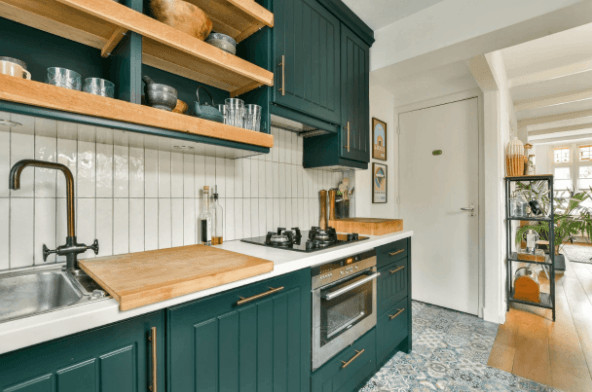
The kitchen is where traffic jams happen first. It has become command central for both adults and kids. Meals are prepared there. A child doing homework at the island while dinner is being prepared is now a common scene. Snacks are constant.
When layout problems surface, they surface loudly. Someone blocks the stove. A child needs space for homework. The refrigerator door cannot open fully. These are small frustrations, yet they stack up quickly. It only takes one busy evening with kids moving in and out of the space to see where the layout falls short.
Traffic flow must be examined honestly. Clear paths should exist between the sink, stove, and refrigerator. Prep space should not be squeezed into corners. Storage should sit close to where items are used, including kid-friendly access for snacks and utensils. When movement feels natural, stress drops immediately.
For many families, the conversation about custom kitchen remodeling begins not with a desire for luxury, but with exhaustion from daily congestion that no amount of tidying can fix. Cabinet placement, island size, and appliance zones may have worked years ago, yet current routines demand better separation of tasks, smarter storage solutions, and defined areas so both adults and children can use the space at the same time.
Open-concept designs can help, but only if zones are defined clearly. Islands should anchor the space, not block it. Seating should be placed thoughtfully so kids can work or eat without interrupting cooking zones. When the kitchen runs smoothly, the rest of the house feels calmer.
Entry Points That Control the Mess
Chaos often starts at the door. Shoes pile up. Bags drop instantly. Backpacks, sports gear, and lunchboxes add to the mix. Keys vanish. By the end of the day, it often looks like everything landed there at once.
A defined drop zone changes behavior quickly, especially for kids. Hooks at reachable heights encourage independence. Bins contain small items. A bench makes transitions easier during rushed mornings.
Mail needs a landing spot. School papers need one, too. Without structure, both spread across counters. Charging cables require organization. Otherwise, they creep into living spaces. When systems are built into the layout, mess is managed before it spreads.
Not every home has a mudroom. That is fine. A hallway can be adapted. A closet can be reworked. The goal is containment. When entryways are controlled, the rest of the home breathes easier.
Flexible Rooms for Kids, Work, and Daily Life
Rooms must multitask now. That is the new normal for families with kids. A guest room may double as an office. A dining area may become a homework station. One hour it is math homework, the next it is a craft project that takes over the entire table.
Flexibility should be planned intentionally. Furniture with built-in storage reduces clutter. Fold-down desks create work areas without permanent bulk. Sliding doors allow rooms to shift from open to private quickly.
Sound separation is also important. Video meetings and online learning often happen at the same time. Rugs absorb noise. Shelving softens echo. Thoughtful placement prevents sound overlap between active and quiet zones.
Boundaries protect sanity. Kids need clear areas for play and focus. Adults need separation for work and rest. Even visual cues help the brain switch gears. Zoning supports both productivity and calm.
.
Storage That Matches Actual Habits
Storage must reflect real habits, especially in homes with children.
If sports gear is used daily, it should be accessible. Toys should be easy to put away. Seasonal items can be stored higher. Clear bins reduce confusion. Labels help children stay organized without constant reminders.
Pantries deserve attention too. Snacks should be within reach for kids, while cooking ingredients stay organized for adults. Transparent containers help reduce waste and make restocking easier.
Deep drawers often work better than upper cabinets. Vertical shelving maximizes small closets. Under-bed storage can free valuable floor space. When everything has a defined home, daily stress drops and independence increases.
Technology Shapes Modern Layouts
Technology is woven into daily life. Layout must reflect that for both adults and kids.
Wi-Fi routers should be centrally placed to support online learning and streaming. Workstations need reliable outlets. Charging hubs prevent devices from spreading across the home.
Media areas should be organized carefully. Seating should support both family time and individual use. Storage for devices should be built in rather than added later.
Energy efficiency is also part of layout planning. Natural light supports focus during school and work hours. Good airflow improves comfort. These choices support both well-being and lower utility costs.
Outdoor Space as Overflow
Outdoor areas now serve as extensions of the home, especially for families with children. Yards become play zones. Patios host meals. Even small balconies offer space to reset.
Access should be easy and safe. Pathways should be clear. Storage for outdoor toys and gear prevents them from moving indoors.
Gardening has also become more popular. It gives kids a hands-on activity while supporting healthy habits. Raised beds require planning, and water access must be considered.
Even a simple seating area can shift daily routines. Fresh air helps both kids and adults recharge. Outdoor space is not a luxury. It is a release valve for busy homes.
Planning for Change Over Time
Families evolve constantly. Children grow. Needs change. Layout should adapt with them.
Rooms should not be locked into one purpose. A playroom today may become a study area later. Flexible furniture extends usability. Neutral design allows easy updates.
Trends may inspire ideas, yet daily function should guide final decisions. A well-designed home reduces friction, supports routines, and creates breathing room during busy days. When space reflects how families actually live, it begins to support them instead of working against them.