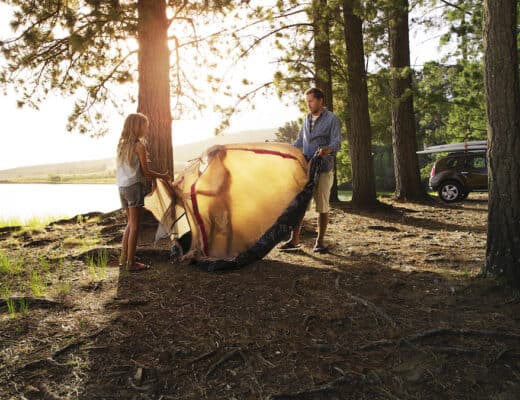
When grandma moves in or grandpa starts spending most weekends at the house, families rarely sit down and plan how the whole household will actually enjoy that time together. The furniture gets rearranged, a bedroom gets converted, and everyone adjusts on the fly. But a home that works for three generations at once takes a little more thought than just finding extra square footage. The best multi-generational households are the ones where kids and grandparents actually want to hang out together, not just coexist under the same roof.
More families are living this way than a generation ago. Households with grandparents, parents, and kids under one roof have grown steadily for decades, and the shift is showing up in how families plan and renovate their homes. That means shared spaces need to work for a six-year-old and a sixty-year-old at the same time, which is a fun design puzzle once you start looking at it that way instead of as a logistics problem.
1. Make It Easy to Move Between the Spaces Everyone Shares
Quality time between kids and grandparents mostly happens in the ordinary rooms of the house, the kitchen, the playroom, the patio, not in some dedicated grandparent suite off in a corner. So the first step is making sure grandma or grandpa can actually get to those rooms without a struggle. A toddler racing between the playroom and the kitchen and a grandparent carrying a cup of coffee up from the bedroom should be able to use the same paths through the house comfortably. Families who need a fast fix for one flight of stairs often start with a stairlift, while households planning further ahead sometimes look at options like Los Angeles home elevator installation so that strollers, laundry baskets, and grandparents with limited mobility can all move through the home just as easily as everyone else. The point isn’t the equipment itself, it’s making sure nobody in the family gets left out of the rooms where the fun actually happens.
2. Turn the Kitchen Into a Standing Cooking Date
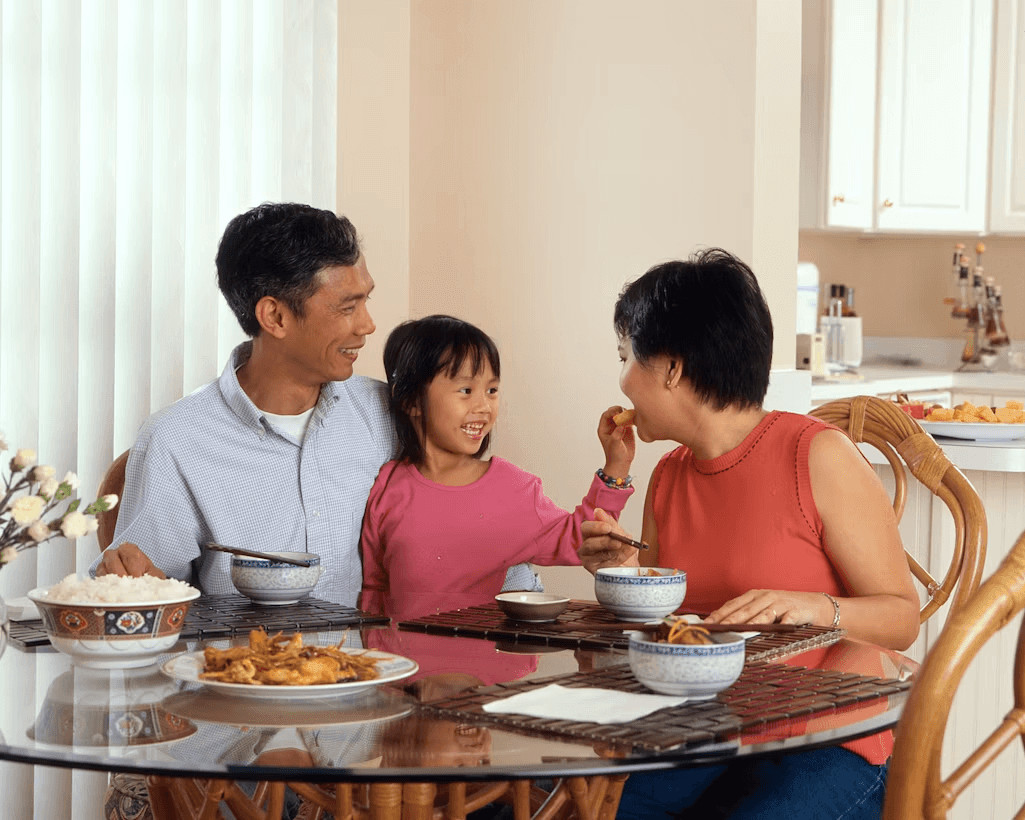
Cooking together is one of the easiest ways to get three generations doing the same thing at the same time, and it barely takes any planning. A grandparent teaching a grandchild how to roll dough or crack an egg turns a chore into a standing tradition, and kids tend to remember those kitchen moments long after the meal is gone.
Lowering a section of counter, keeping a step stool nearby, and stocking a low drawer with kid-safe tools all make it easier for a child to actually participate instead of just watching. Pick one night a week, even a simple one like taco night or pancake Sunday, and let it become the thing grandma and the kids do together without anyone having to organize it each time.
3. Build a Game Corner Both Ages Can Reach
A shelf of card games, a checkers board, and a puzzle in progress does more for family bonding than most people expect. If the family keeps favorite decks in regular rotation, sleeves for cards can help protect them from bending, spills, and wear during repeated game nights. Set this corner up somewhere central, like a living room nook or a spot off the kitchen, rather than tucked away in a kid’s bedroom where a grandparent has to make a special trip to reach it. Keep the games at a mix of skill levels so a five-year-old and a grandparent with slower reflexes can both genuinely compete instead of one side constantly losing on purpose. A rotating stack of new games, even inexpensive ones, keeps the corner from going stale and gives grandparents an easy reason to wander over after dinner.
4. Let the Patio Do Double Duty
Outdoor space tends to get divided by age without anyone deciding that on purpose, a play structure on one side and patio furniture on the other, with not much overlap. Instead, set up the patio so a grandparent can sit comfortably within arm’s reach of whatever the kids are doing, whether that’s a sandbox, a small garden bed, or a chalk-drawing session on the pavement. A shaded seating area near the play zone means grandparents can supervise, chat, or just enjoy the sun while staying part of the action instead of watching from a window. Adding a low table nearby also gives space for a shared project, like potting plants or building something small, that both ages can do side by side.
5. Reimagine the Playroom as a Shared Hobby Room
A playroom that only works for a seven-year-old stops getting used by anyone else in the house, which wastes a room that could be doing more. Adding a comfortable chair, decent lighting, and a shelf for a grandparent’s own hobby, whether that’s knitting, model building, or reading, turns the space into somewhere everyone actually wants to be. Kids tend to gravitate toward whatever an adult is doing nearby, so a grandparent quietly working on a project in the same room often pulls a child in without anyone having to plan an activity. The room stops being “the kids’ space” and becomes a shared one instead.
6. Give Grandparents a Real Spot in the Daily Routine, Not Just a Guest Room
A grandparent who’s only ever in a spare bedroom tends to feel like a visitor even after months of living in the house. Small changes help shift that, a designated coffee mug, a chair that’s understood to be theirs at the dinner table, a spot on the fridge for their own calendar or photos. These details tell a grandparent, and the kids, that they’re a permanent part of daily life rather than an extended houseguest. It costs nothing and takes almost no renovation, but it changes how the whole household feels about the arrangement.
7. Start One Small Tradition That Belongs to All Three Generations
Every multi-generational household benefits from having at least one recurring thing that’s just theirs, a Sunday walk, a weekly board game night, a standing date to work in the garden together. It doesn’t need to be elaborate. What matters is that it happens often enough that everyone starts looking forward to it, and that it involves the grandparents and the kids directly rather than parking them in the same room to entertain each other. Over time, that one small ritual usually becomes the thing kids remember most clearly about growing up with a grandparent in the house, more than any renovation or piece of furniture ever will.
| Factor | What the data shows |
| Multi-generational households | 18% of Americans lived in a household with multiple generations in 2021, up from 7% in 1971 (Pew Research Center) |
| Typical multi-generational home | Median of five people sharing a four-bedroom house (Realtor.com, 2025) |
| Family experience | Most adults in multi-generational households describe the arrangement as a positive experience (Pew Research Center) |
| Safe movement between floors | Falls remain a leading cause of injury among older adults, one reason easy movement through the house matters (CDC) |
According to Pew Research Center, the number of Americans living in multi-generational households has grown steadily for decades, which means more families than ever are figuring out how to make these homes work for everyone in them. The goal isn’t a house that simply fits three generations, it’s one where a grandparent and a grandchild actually want to spend their afternoon in the same room. Whether that starts with a standing cooking night, a shared hobby corner, or just making sure everyone can move through the house easily, the small, repeatable stuff tends to matter more than any single renovation. For families looking to adapt their space as their kids and their needs keep changing, home improvement ideas for growing families are worth revisiting every few years, since a house that works today may need a few tweaks once everyone’s a little older.