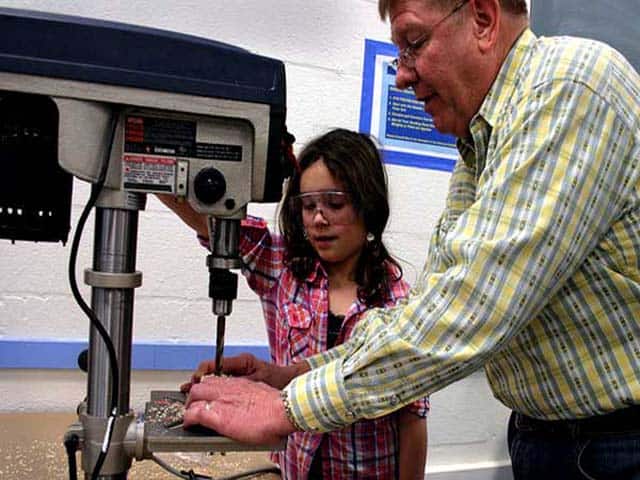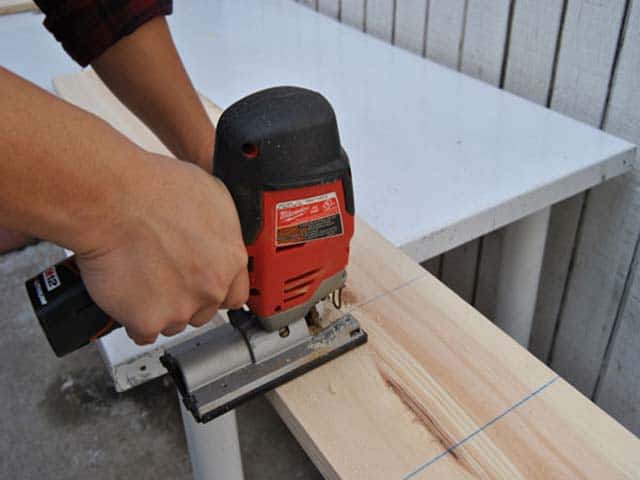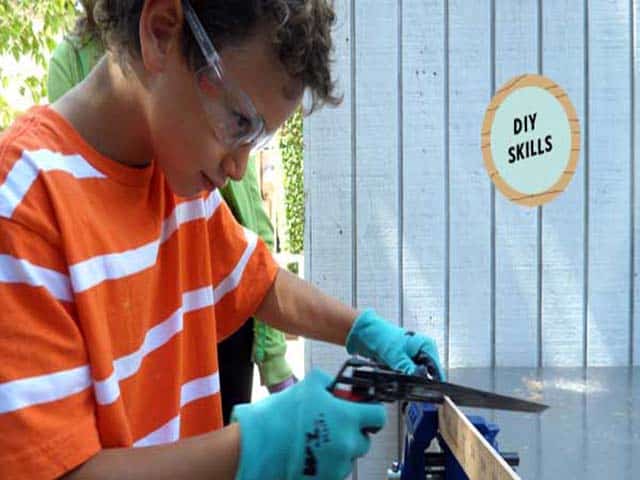
A well-organized workshop makes building projects easier, safer, and more enjoyable, especially when kids are part of the process. When children join you for DIY projects, tools need to be easy to find, simple to return, and stored safely when the work is done. Good organization not only protects expensive tools but also helps kids learn responsibility and good workshop habits.
There are many tool storage options available, from rolling cabinets to wall-mounted systems. The goal is to create a setup where the tools you use most are always within reach while everything else has a safe and clear place to go. When your workspace is organized, you spend less time searching for tools and more time focusing on building, learning, and having fun together.

Image by Fxquadro on freepik
Start with a Storage Plan, Not with Products
Before buying racks or cabinets, take time to review all the tools and supplies you already have. Lay everything out and group items by how you use them: hand tools, power tools, measuring tools, car tools, and loose hardware. This simple step helps you see what needs storage, what you use most often, and what can be stored farther away.
If you build things with children, consider setting aside a small group of basic tools that kids can safely use under supervision. Then, measure your open wall, ceiling, and floor space, and sketch out where you usually cut, sand, glue, or fix things. Build your storage around the way you move and work, not just what fits in the room.
When you add storage without a clear plan, you’ll often end up with piles of tools and cramped space. The tools you grab every day belong close to your main bench; the seasonal, awkward, or specialty stuff can go up high or in the background.
Keeping frequently used tools organized also helps children learn where things belong and makes cleanup after a project much easier. When you set things up this way, you lose less space, work more smoothly, and don’t have to rethink your setup every time you start a new project.
Rolling Tool Cabinets and Mobile Options
If your workshop serves both weekend repairs and kid-friendly DIY projects, a rolling tool chest from Dyco Ventures helps keep adult tools organized and out of the way.
Keep sockets, wrenches, and specialty tools in their own spots so you always know what’s missing and where things belong.
Go for chests with smooth, heavy-duty slides and strong locks. Good casters let you roll the whole thing right up to the job. Keeping everything sorted inside isn’t just about order – it stops tools from banging into each other and saves you the scramble of hunting for missing pieces.
Mobile carts are your right hand for active jobs. Instead of trekking across the shop, fill up the cart with whatever you need and pull it next to you. For family building days, a mobile cart can hold the tools and materials kids will be using, keeping everything close and reducing trips across the garage. Your main storage setup stays organized, and you get total flexibility for whatever you’re working on.
Pick carts that won’t tip, and that have wheels you can lock. A little lip on the top tray stops things from rolling onto the floor, and the shelves underneath are perfect for cases or hardware bins. Looks do not matter here – don’t be swayed by shiny finishes if the thing’s wobbly.
Wall-Mounted Systems That Keep Tools Visible
Pegboards and Slatwall Panels
Most garages ignore their walls, wasting their space. Mounting a pegboard or slatwall lets you hang up hand tools so you can see and grab them fast. If you can see your tools, you’ll actually put them back on the place.
Slatwall is tougher than standard pegboard – holds more weight, and you can rearrange hooks, shelves, and baskets without ruining the wall every time. Adjust things as your tool collection grows or shifts. Put a panel right above your bench so your go-to tools are at eye level. This also makes it easier for kids to recognize and return basic tools during shared projects. That way, you aren’t constantly fishing through drawers or stooping down.
Wall Cabinets for Dust and Moisture Protection
Some things – like finishes, glue, and small power tools – need protection from dust and damp air. Wall cabinets keep these behind doors, which means less cleaning and a longer life for your supplies.
Pick cabinets with adjustable shelves and make sure you’re using strong mounting hardware. Metal holds up to heavy loads and does better in humidity; plywood is easier to tweak. Closed cabinets are also helpful when working with children because they keep sharper or more advanced tools safely out of reach. Always bolt cabinets into wall studs, especially for heavier gear.
Workbenches with Integrated Storage
When you build or buy a workbench, make sure it comes with storage – drawers and shelves underneath are a must. They keep your essentials within arm’s reach while freeing up the actual work surface. Split drawers are good for all the little stuff – rulers, squares, and small hand tools. Think about bigger bins underneath – that’s where routers, sanders, or rarely used gadgets go.
If kids regularly join your projects, consider dedicating one drawer to simple tools like tape measures, pencils, safety glasses, and clamps they can help with. In case of a poorly-built workbench, the drawers sag, or everything gets lost all the time. Use full-extension slides, beefy framing, and give the bench some backbone so it doesn’t wobble or fold under weight. Make it the right height for you so long stretches don’t leave you tired or sore.
Make the Most of Ceiling Space
Ceiling storage frees your walls and floors. Overhead racks are good for big bins, extra wood, or rarely used tools. You clear the main floor so you’re not tripping over stuff all day.
But don’t cut corners – bolt racks straight into the ceiling joists, check the weight ratings, and label every stored container so you’re not guessing what’s up there. Keeping less-used or heavier equipment overhead also helps keep the main work area safer when kids are helping with projects. Keep a sturdy ladder close if you’re using the overhead area regularly.
Sorting Hardware and Small Parts
Drawer Units and Labeled Bins
When hardware piles up, chaos follows. Screws, bolts, nails, and washers do best in small, divided drawers. Clear fronts and clear labels mean you’re not opening every box to find what you need.
Stackable bins work well for bigger jobs – assign a bin to each type and size, and don’t let them get mixed up. When children help with building projects, labeled bins also make it easier for them to find the right screws or nails without confusion. Restocking regularly means you never get stuck mid-project hunting for a missing part.
Clamp Racks and Cord Storage
Clamps eat space fast and get tangled if you just toss them around. Store them on wall racks, sorted by size, close to where you do assemblies or glue-ups.
Cords should have their own hooks or reel – coiled and out of the way. Tangled cords wear out and trip you up, so get them off the ground to keep things safer and your cords in better shape. Keeping cords neatly stored also reduces tripping hazards when kids move around the workspace.
How to Store Power Tools Safely
Power tools belong on strong shelves, each with its own spot. Avoid stacking them; that just breaks accessories and loses important parts. Give each tool a real home so it’s easy to put back after a job.
Take care of batteries. Keep them in a cool, dry place and away from heaters or direct sunlight. A well-mounted charging station keeps chargers organized and prevents cords from tangling across the bench. If children help in the workshop, keep power tools stored higher or inside cabinets and bring them out only when needed.
Implement the Labeling System
Labels make it possible for anyone to put tools back where they belong. Mark every drawer, bin, and cabinet.
Color-coding can help break up categories (woodworking over here, car stuff over there) and keep the system easy to remember. This approach works especially well for kids because visual cues help them learn the storage system faster. This visual structure keeps storage predictable and supports long-term organization.
Stick with the Routine
No setup keeps itself neat. Once in a while, go through and clear out tools you never use anymore. Replace busted hooks, beat-up bins, or bent shelves before they become a problem.
The real habit is returning every tool when you finish with it. Teaching kids to return tools to their labeled spots builds good workshop habits and keeps the space ready for the next project. If everything has a spot and you stick to the routine, the workshop will always be ready for what comes next.
Conclusion
A well-organized workshop supports both productivity and safety, which becomes even more important when kids are involved in building projects. Smart storage solutions such as mobile carts, wall-mounted systems, labeled bins, and sturdy workbenches help keep tools easy to find and easy to return after every project.
Just as important, a clear storage system teaches children good workshop habits. When tools have a dedicated place, kids quickly learn how to clean up, handle equipment responsibly, and respect the workspace. With thoughtful storage and a simple routine, your workshop stays ready for the next project, making every building session with your kids safer, smoother, and more enjoyable.