Elementary schools often run fundraising events to pay for field trips, classroom supplies, and playground upgrades. One of the most common options is selling candy. Many schools partner with candy companies to offer chocolate bars, lollipops, and other treats that students can sell to family members, neighbors, and friends.
Custom candies make these fundraisers even more appealing. Schools can add their logo, mascot, or colors to the packaging, which helps build school pride and makes the treats feel more special. Because candy is affordable and easy to sell, it remains one of the simplest ways for schools to raise money while bringing the community together. Many schools choose custom candy fundraisers because they are simple to organize and easy for students to sell.
Custom Candies as Fundraising Tools
Elementary schools turn to custom candies as effective fundraisers because they offer both strong profit margins and appeal to a wide audience. The ability to personalize candy with school logos, colors, and mascots helps create products that students and families want to buy while building school spirit.
Popular Custom Candy Options for Elementary Schools
Chocolate bars remain one of the most common choices for school fundraisers because they offer reliable profits and broad appeal. Schools can personalize wrappers with logos, colors, or fundraiser details, making them easy to brand without changing the candy itself. Lollipops are another strong option for elementary programs since they come in many shapes and flavors that appeal to younger students.
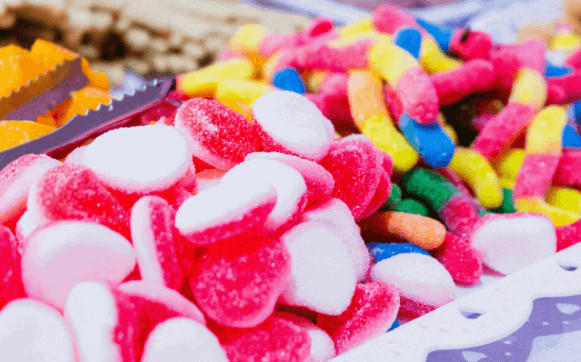
Gummy candies provide an alternative for those who avoid chocolate, while hard candies in tins or bags are useful for longer fundraising periods thanks to their extended shelf life. Compared with fully custom-designed molds that require longer setup time and higher production costs, readymade custom candy molds allow schools to create themed shapes more quickly and affordably while still adding a recognizable identity.
Candy bars, lollipops, and mints are especially practical because they are easy to store, simple to distribute, and cost-effective to produce in larger quantities. Many schools choose mixed assortment packs so they can offer variety and appeal to different preferences across the community.
Advantages of Using Custom Candies for Fundraising
Custom candies generate profit margins between 40% and 60%, which means schools keep a significant portion of each sale. The products cost less than other fundraiser items like wrapping paper or magazines. Students can carry candy boxes easily and sell to neighbors, family members, and community members without complicated delivery logistics.
Candy fundraisers require minimal startup costs compared to event-based fundraisers. Schools can order inventory as needed and avoid unsold product waste. The familiar nature of candy makes it easier for students to approach potential buyers with confidence.
Brand recognition through customized packaging helps build school pride and makes the product more memorable to buyers. Parents and community members often purchase candy to support the school rather than for the product itself. Custom designs turn simple candy into keepsakes that families associate with their school.
Customization Techniques and Branding Opportunities
Schools print custom wrappers that feature their name, mascot, colors, and fundraiser goals. Digital printing technology allows for full-color designs at reasonable costs. Schools can include messages that thank supporters or highlight specific programs that benefit from the funds.
Labels and stickers offer a simpler customization method for schools with tighter budgets. These attach to standard candy products and still provide personalization benefits. Some schools add ribbons or tags in school colors to create a custom look without expensive printing.
Direct candy customization includes molded chocolates with school logos or shaped candies that reflect school symbols. Schools can order custom colors for candy coatings that match school colors exactly. This approach creates truly unique products that stand out from standard fundraiser items and helps students explain what makes their fundraiser special to potential buyers.
Organizing Successful Fundraising Events With Custom Candies
Schools that run effective candy fundraisers focus on three key areas: strategic planning to reach the right people, active participation from the school community, and smart financial decisions that maximize returns.

Planning and Promotion Strategies
A solid plan starts at least four to six weeks before the sale begins. School organizers should set a clear fundraising goal and calculate how many candy units they need to sell to reach that target. For example, if a school wants to raise $2,000 and makes $1 profit per candy bar, students need to sell 2,000 bars total.
Promotion works best through multiple channels. Schools can send home flyers in student backpacks, post updates on social media pages, and share information through email newsletters. Teachers can announce the fundraiser during morning announcements or class time. Some schools create simple flyers that students color or decorate, which helps children feel connected to the event.
The fundraiser gains momentum through a kickoff event where students learn about what the money will support. Schools might show photos of new playground equipment or explain how funds will pay for field trips. This gives students a real reason to participate. Schools should also create a simple system for students to track their sales and turn in money safely.
Engaging Students, Staff, and Families
Student participation increases through friendly competition and recognition. Schools can offer small prizes for top sellers or create classroom challenges where the winning class earns a pizza party.
However, participation matters more than individual sales numbers.Some schools give certificates to every student who sells at least five items to make everyone feel successful.
Teachers and staff members help by buying candy themselves and sharing updates about the fundraiser’s progress. Staff can also serve as collection points where students turn in order forms and money.
Family involvement extends the reach beyond school walls. Parents can bring order forms to their workplaces, share details with neighbors, or post about the fundraiser on personal social media accounts.
Schools should provide families with clear instructions about payment collection and safety. Students should never go door to door alone, and schools can suggest that families focus on people they already know rather than strangers.
Budgeting and Profit Maximization
Most candy fundraising companies operate on a profit-sharing model where schools keep 40 to 50 percent of sales revenue. Schools need to compare offers from different suppliers to find the best profit margin and product quality.
The upfront cost varies, as some companies require payment before delivery while others allow schools to pay after they sell the candy.
Schools should factor in hidden costs such as promotional materials, prize incentives for students, and volunteer time for coordination.
A budget spreadsheet helps track all expenses against projected income. For better profit margins, schools can negotiate bulk discounts or eliminate middlemen by working directly with candy manufacturers.
Pricing matters too. Candy bars typically sell for $1 to $2 each, but custom candy with school logos can command slightly higher prices because of their unique appeal. Schools should price products at a point where families feel comfortable buying multiple items without hesitation. Some schools offer package deals, such as five candy bars for $8 instead of $10, to encourage larger purchases that still maintain healthy profit margins.
How Much Money Can Schools Make From Candy Fundraisers?
Candy fundraisers usually generate profit margins between 40% and 60%. For example, if a school sells a candy bar for $2 and earns $1 profit per sale, selling 2,000 bars can raise about $2,000. The exact amount depends on the supplier, pricing, and how many students participate.
Fun Activities Kids Can Do During Candy Fundraisers
Candy fundraisers can also include simple activities that help students stay excited and involved. These activities make the event feel more like a school project than just a sales task.
One popular idea is a fundraiser kickoff event where students decorate posters or flyers for the candy sale. Teachers can let children color pictures of candy bars or school mascots to display around the school.
Schools can also organize classroom sales charts where students track how many candy bars their class has sold. Watching the numbers grow helps motivate students and builds teamwork.
Another fun activity is designing custom candy wrappers. Students can draw ideas for wrapper designs that include the school mascot, colors, or a thank-you message for supporters.
Some schools also host celebration days after the fundraiser ends. Classes that meet their goals might earn a small party, extra recess time, or a movie afternoon. These rewards help students feel proud of their effort and keep the fundraiser positive and fun.
Conclusion
Custom candies give elementary schools a simple and reliable way to raise money. Popular treats like chocolate bars and lollipops are easy for students to sell, and customized packaging helps create excitement around the fundraiser. With low startup costs and strong profit potential, candy sales can support many school needs.
When schools plan their fundraiser carefully and involve students, staff, and families, these events can raise meaningful funds for field trips, playground improvements, and classroom programs. At the same time, students gain valuable experience in teamwork, responsibility, and goal setting.