There is nothing quite like the excitement of opening a new diamond painting kit. The colours, the canvas, the tiny sparkling drills, it all feels like the start of something special. But before you place a single diamond, a few quick checks can save you from frustrating mid-project surprises. Missing drills, a damaged canvas, or a poorly lit workspace can derail your progress faster than you might expect. This guide walks you through exactly what to inspect and prepare before you start, so your experience stays enjoyable from the very first drill to the last.
Inspect Your Kit Contents and Canvas Thoroughly
Before you touch your tools or peel back any part of the protective film, take time to go through everything in your kit. A thorough inspection at this stage prevents unnecessary interruptions later and helps you catch any issues while there is still time to request replacements.

Check Every Item Against the Packing List
Most complete diamond painting kits include a printed or digital packing list that details every item inside the box. Start by laying everything out on a flat surface and matching each piece to that list. Look for the canvas, diamond drill bags, a tray, a stylus pen, wax or gel pad, and any tweezers provided.
For complete diamond painting kits for beginners especially, manufacturers often include extra accessories to support first-time users, so do not assume everything is standard. If anything is missing, contact the supplier before you start rather than halfway through. A missing colour code mid-project is far more stressful than a quick email exchange before you begin.
Count and Verify Your Diamond Drill Bags
Each bag of drills should have a colour code printed on it, usually a DMC number or an equivalent reference. Cross-reference these codes against the legend printed on your canvas or instruction sheet. It sounds tedious, but this step can reveal missing bags or mislabelled colours before they cause real problems.
Also check the quantity in each bag. Reputable kits include a small surplus of each colour, typically around 10 to 20 percent extra, to account for drills that roll away or get misplaced. If a bag looks unusually thin compared to the others, note it down. You may need to reorder that colour before you get to that section of the design.
Examine the Canvas for Damage or Defects
Unroll the canvas carefully and lay it flat on your work surface. Look across the entire surface for tears, creases, areas where the adhesive has dried out, or any print misalignment. Run your hand lightly over the surface to feel for bubbles or uneven patches beneath the protective film.
Do not remove the full protective film during this check. Instead, lift a small corner in a less visible area to confirm the adhesive is active and sticky. If the canvas feels dry or non-sticky in spots, the adhesive may have degraded, possibly due to poor storage or a long transit time. Catching this now gives you the option to source a replacement canvas rather than pressing on with a defective one.
Set Up Your Workspace, Tools, and Diamond Drills for Success
Once you have confirmed that your kit is complete and the canvas is in good condition, your next focus is the workspace itself. A well-prepared area makes the process smoother, more comfortable, and far less likely to result in errors or discomfort.

Organise Your Diamond Drills Before You Begin
Do not pour all your drill bags into a single tray at once. Instead, sort your drills by colour group before you start and store them in small labelled containers or the resealable bags they came in. This keeps your work area tidy and makes colour selection far faster during the session.
A good system here pays off significantly over a longer project. If your design has multiple shades of blue or green, for example, keeping similar colours separated prevents mix-ups that are difficult to fix once drills are pressed onto the adhesive. Use sticky labels or a marker to note the colour code on each container so you can locate specific drills without checking each bag.
Set Up Proper Lighting and a Comfortable Seating Position
Diamond painting involves close, detailed work for extended periods. Poor lighting strains your eyes quickly and makes it harder to distinguish between similar colour codes on the canvas. A dedicated craft lamp with adjustable brightness and a daylight-balanced bulb gives you the clearest view of the adhesive symbols and drill colours.
Your seating position matters just as much. Position your chair and table so your back stays supported and your arms rest comfortably at the work surface. If you plan longer sessions, consider a light pad placed beneath your canvas. This illuminates the symbols from below, reduces eye strain, and makes colour identification noticeably easier, particularly on larger or more detailed designs.
Prepare Your Tools and Test the Stylus Before Starting
Your stylus pen is your primary tool throughout the entire project, so it makes sense to test it before you start. Press the tip into the wax or gel pad several times to load it properly. A well-loaded stylus picks up a single drill cleanly without gripping too hard or dropping it.
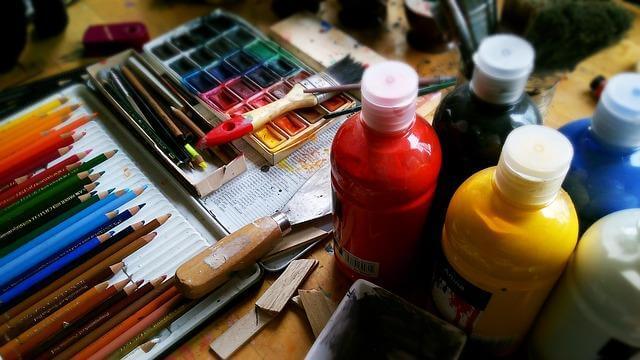
If your kit includes both a single-tip and a multi-tip stylus, practice with both on a few spare drills to understand how much pressure each requires. Also check that your tray is clean and free from dust or debris, as foreign particles can interfere with how drills sit and catch the light once placed. A small brush or dry cloth is all you need to wipe it down before use.
Conclusion
A little preparation before you start a complete diamond painting kit makes a real difference to the overall experience. By inspecting your contents carefully, verifying your drills, and setting up a proper workspace, you put yourself in the best possible position to enjoy the process without unnecessary setbacks. Take the time to do these checks once, and every session that follows will feel that much more rewarding.