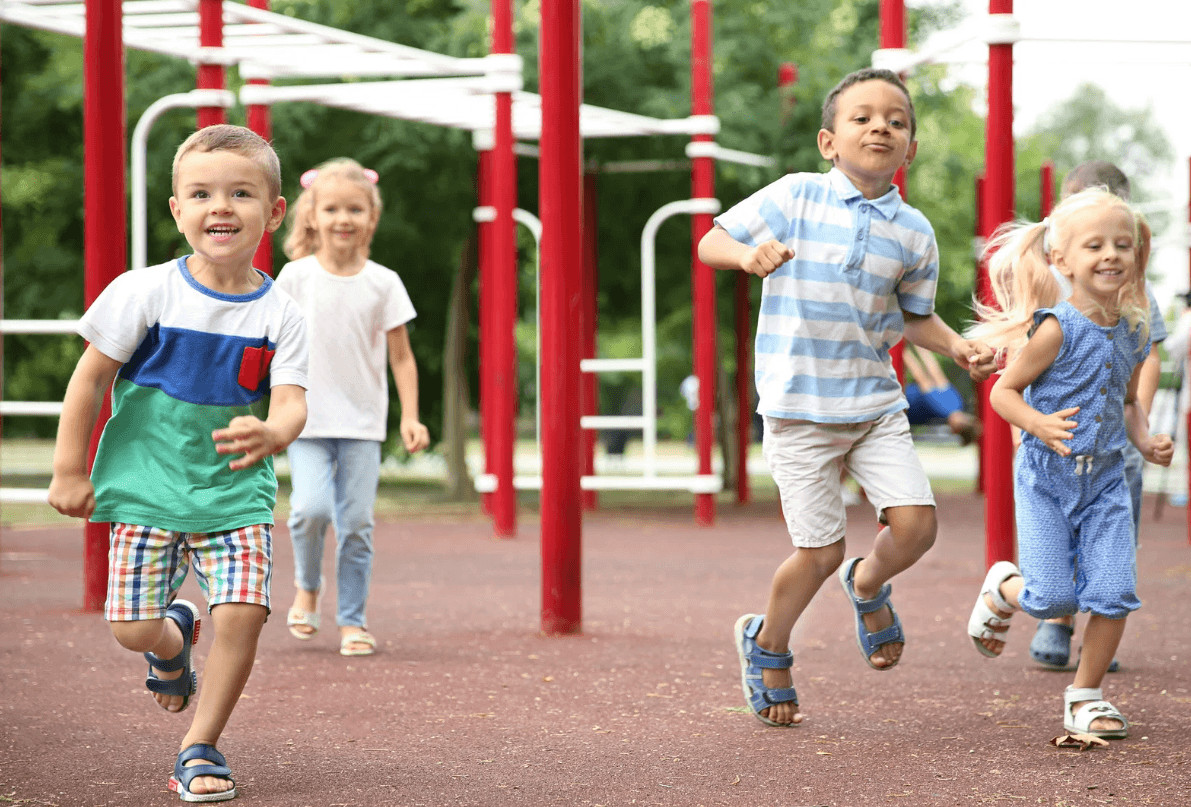
Playgrounds give children opportunities to build confidence, improve coordination, and stay active. Climbing, swinging, balancing, and running all contribute to healthy physical and social development. While minor scrapes and bruises are a normal part of childhood, more serious playground injuries occur every year and can result in broken bones, concussions, and other significant medical concerns.
Fortunately, many playground accidents are preventable. By understanding common hazards, supervising children appropriately, and choosing safe play environments, parents can significantly reduce the risk of injury while still allowing children to enjoy the benefits of outdoor play.
Why Playground Injuries Occur
Children are naturally curious and adventurous. They often test their physical abilities without fully understanding risk.
Playground injuries commonly result from:
- Falls from equipment
- Improper supervision
- Unsafe playground surfaces
- Defective equipment
- Crowded play areas
- Age-inappropriate equipment
- Improper equipment maintenance
While no playground can eliminate every risk, many serious injuries can be avoided through proper design, maintenance, and adult supervision.
Choose Age-Appropriate Playgrounds
Most public playgrounds separate equipment by age group.
These recommendations help ensure children use structures designed for their physical abilities.
Generally:
- Toddlers should play on equipment intended for children ages 2 to 5.
- Older children should use equipment designed for ages 5 to 12.
- Very young children should avoid climbing structures built for older kids.
Using age-appropriate equipment reduces the likelihood of falls and other preventable injuries.
Inspect the Playground Before Play
Parents can perform a quick safety check before children begin playing.
Look for:
- Broken equipment
- Loose bolts
- Rusted metal
- Sharp edges
- Exposed concrete footings
- Missing guardrails
- Damaged swings
- Unstable platforms
If equipment appears unsafe, consider visiting another playground and report the hazard to the property owner or local parks department.
Pay Attention to Playground Surfacing
The surface beneath playground equipment plays a major role in injury prevention.
Falls remain the leading cause of playground injuries, making impact-absorbing surfaces especially important.
Safer materials include:
- Engineered wood fiber
- Rubber mulch
- Poured rubber
- Sand
- Pea gravel
Hard surfaces such as concrete, asphalt, and packed dirt provide far less protection during falls.
Parents should also look for worn areas beneath swings and slides where protective material may have shifted over time.
Supervise Children Actively
Supervision remains one of the most effective ways to reduce playground injuries.
Rather than watching from a distance, adults should:
- Stay within sight of younger children.
- Monitor climbing activities.
- Watch for unsafe behavior.
- Help children use equipment properly.
- Encourage taking turns.
Active supervision also allows parents to respond quickly if a child becomes injured or another safety issue develops.
Dress Children for Safe Play
Clothing can affect playground safety more than many parents realize.
To reduce injury risks:
- Avoid drawstrings on jackets and sweatshirts.
- Secure loose scarves.
- Tie shoelaces properly.
- Remove bicycle helmets before climbing equipment.
- Avoid necklaces that could become caught.
Closed-toe shoes with good traction generally provide the best protection during active play.
Teach Safe Playground Habits
Children benefit from learning simple playground safety rules.
Parents can encourage children to:
- Wait their turn.
- Use equipment as intended.
- Avoid pushing or roughhousing.
- Hold handrails while climbing.
- Slide feet first.
- Stay seated on swings.
Repeated reminders help children develop safe habits over time.
Watch for Weather-Related Hazards
Playground equipment can become dangerous during extreme weather.
- Metal slides and climbing structures may become hot enough to cause burns during summer months.
- Wet equipment can become slippery after rain.
- Ice and snow may also create hazardous conditions during colder months.
Parents should test surfaces before allowing children to play and postpone playground visits when conditions appear unsafe.
Know the Most Common Playground Injuries
Understanding common injuries helps parents recognize when medical attention may be needed.
Frequently reported playground injuries include:
- Broken arms
- Wrist fractures
- Leg fractures
- Sprains
- Concussions
- Facial injuries
- Cuts requiring stitches
- Dental injuries
Many injuries occur after falls from monkey bars, climbing structures, and elevated platforms.
What to Do if a Child Is Injured
If a child falls or appears injured:
- Stay calm.
- Assess the injury carefully.
- Avoid moving the child if a neck or back injury is suspected.
- Call emergency services when appropriate.
- Seek medical evaluation for head injuries or significant pain.
Even when injuries initially appear minor, symptoms may develop later.
Parents should continue monitoring children for changes in behavior, dizziness, headaches, or worsening pain.
When Unsafe Equipment Contributes to Injuries
While many playground accidents result from ordinary childhood activity, some occur because equipment has not been properly maintained.
Examples include:
- Broken swing chains
- Loose platforms
- Missing protective barriers
- Exposed bolts
- Rotting wood
- Unsafe surfacing
- Defective playground design
When a child suffers injuries caused by unsafe playground equipment, documenting the condition of the playground may become important. Photographs, witness information, and prompt medical evaluation can help preserve evidence regarding what occurred.
The injury lawyers at Chute, O’Malley, Knobloch & Turcy represent individuals in a variety of personal injury matters, including cases involving unsafe property conditions.
Understanding Legal Issues
Not every playground injury results from negligence. Children sometimes fall despite appropriate supervision and properly maintained equipment.
However, situations involving defective equipment, inadequate maintenance, dangerous design, or hazardous conditions may raise legal questions.
Families seeking information about serious playground injuries sometimes consult a New York playground accident lawyer or another attorney familiar with premises liability claims to better understand the circumstances surrounding an accident and the options that may be available.
Tips for Choosing a Safe Playground
Parents can improve safety by selecting playgrounds that demonstrate good maintenance and thoughtful design.
Look for playgrounds that feature:
- Clean, well-maintained equipment
- Soft protective surfacing
- Clearly separated age-appropriate play areas
- Adequate fencing near busy streets
- Good visibility for supervision
- Shade during warmer months
- Regular maintenance and inspections
Choosing well-maintained playgrounds reduces the likelihood of preventable injuries while allowing children to enjoy active outdoor play.
Creating a Safe Environment for Healthy Play
Playgrounds offer valuable opportunities for children to build strength, confidence, coordination, and friendships. Although bumps and scrapes are sometimes unavoidable, many serious injuries can be prevented through careful supervision, safe equipment, appropriate playground design, and routine maintenance.
By inspecting play areas, teaching safe habits, choosing age-appropriate equipment, and remaining attentive while children play, parents can help create enjoyable experiences that encourage healthy development while reducing unnecessary risks.