Buying outdoor gear for kids can feel like a full-time job.
One day your kid is all about paddleboarding. Next thing you know they’re mountain biking. Then suddenly they’ve outgrown everything in their closet from last summer. All while you’re trying to decipher what’s safe, what’s a scam and what you can use next year.
Here’s the good news:
Parents often make this way more difficult than it is. If you know what you’re looking for when kitting out your kid, it’s simple (and inexpensive).
This article covers what’s important when purchasing kids outdoor equipment – including watersports, sunscreen and fit tips for keeping kids comfortable throughout the day.
Let’s jump in!
Here’s the game plan:
- Why Kids’ Outdoor Gear Is a Big Deal
- What To Know About Water Sports Gear
- Sun & Weather Protection Essentials
- Footwear That Actually Lasts
- How To Nail The Fit (Every Time)
Why Kids’ Outdoor Gear Is a Big Deal
The right gear is not just about comfort… It’s about safety.
Children are playing outside more than they have in recent memory. Outdoor recreation was enjoyed by 73% of children in the United States in 2024. That equals millions of kids fishing, boating, hiking, biking, and paddling each weekend.
Outdoor activity increases children’s exposure to risk when equipment is inadequate.
Here’s the problem:
Many parents buy whatever is the least expensive, on sale, or cutest colour. Harmless? Think again. Bad gear can:
- Fail when it matters most
- Leave your kid cold, wet, or sunburnt
- Wear out after one season
- Actually put safety at risk in the water
Don’t know where to begin? Talking to actual employees can make a HUGE difference. The Sun & Ski Sports’ Outdoor Experts can walk you through EVERYTHING you need to know about selecting water sports gear before you spend any money — and that WILL save you from making the number one mistake parents make… purchasing the incorrect size OR incorrect safety rating for their children.
What To Know About Water Sports Gear
Water sports gear is where most parents get it wrong.
Let’s get this straight: a cute swimsuit and some pool floaties DO NOT equal water sports equipment. Water sports equipment consists of life jackets, rash guards, water shoes, and (depending on your activity) wetsuits or helmets.
Let’s break down what matters most.
Life Jackets Are Non-Negotiable
Drowning is the number two cause of unintentional injury death for kids ages 5–14 years. 83% of boating drownings had victims who weren’t wearing a life jacket. That number has remained consistent year after year.
Not a scare tactic. Just the facts.
The most important piece of water sports equipment any child can have is a life jacket. Period.
When you buy a kid’s life jacket, look for:
- U.S. Coast Guard approval printed on the label
- The right weight range for your child (not their age)
- Snug fit – if it bunches up above the ears when you pick up shoulders, it’s too large
- A crotch strap for little kids so it does not slip off
Do NOT use water wings, pool noodles or inflatable floaties as safety devices. They are toys. They are not designed to hold a child’s head above water during an emergency.
Rash Guards and Water Shoes
Rash guards keep you from getting sunburn, sand rash, or board rash. Water shoes will protect you from sharp rocks, hot sand, or slippery boat decks.
They’re both inexpensive, they’re both seriously durable, and they both provide insane comfort for how little they cost. Invest in these two things if your child will be spending any significant amount of time near water.
Sun & Weather Protection Essentials
The sun is one of the most overlooked outdoor threats to kids.
Children’s skin burns more quickly than adults’, and every sunburn they get before turning 18 increases their chances of developing skin cancer as adults. That’s why sunscreen and protective clothing are essentials for any outdoor day — particularly by the water. Sunlight reflects off the water and essentially doubles your exposure. What starts as an hour under the lake can result in a painful burn come dinner time.
Sun protection gear should include:
- A wide-brim hat or bucket hat (baseball caps do not cut it)
- A UPF 50+ rash guard or long-sleeve shirt
- Kid-safe polarised sunglasses with UV protection
- Reef-safe sunscreen (SPF 30+ minimum)
Layer up for colder temps instead of relying on one heavy jacket. Children heat up quickly. They also cool down quickly. A base layer, insulating layer, and waterproof jacket will be enough for nearly any condition your child encounters — meltdown-free.
Footwear That Actually Lasts
Cheap kids’ shoes are a false economy.
Children sprint faster, jump higher, and ruin shoes quicker than any adult. Purchase the lowest price you can find and you’ll return within six weeks…to repurchase.
Look for:
- Reinforced toes for rocks and roots
- Quick-dry materials for wet conditions
- Good tread for slippery surfaces
- Adjustable straps or proper laces (not slip-ons for active use)
Socks are another small piece of gear that can make a big difference during outdoor adventures. For cooler days, longer hikes, or wet conditions, materials that help regulate temperature and manage moisture can keep kids more comfortable for longer. Options like kids’ merino wool socks can provide warmth without adding unnecessary bulk, making them a practical addition to an outdoor footwear setup. Like shoes, socks should be chosen with the activity and weather conditions in mind rather than just the lowest price.
Buy one good pair of trail shoes and one pair of water shoes. Those two will be about 90% of your kid’s outdoor activities ever. Also, when you’re on the water, water shoes with good grip are mandatory — going barefoot on a slippery dock or boat deck is just begging to get hurt.
How To Nail The Fit (Every Time)
Fit is everything with kids’ gear.
Over-sized gear is hazardous. Under-sized gear gets abandoned. Neither is used properly.
Here’s a quick fit checklist:
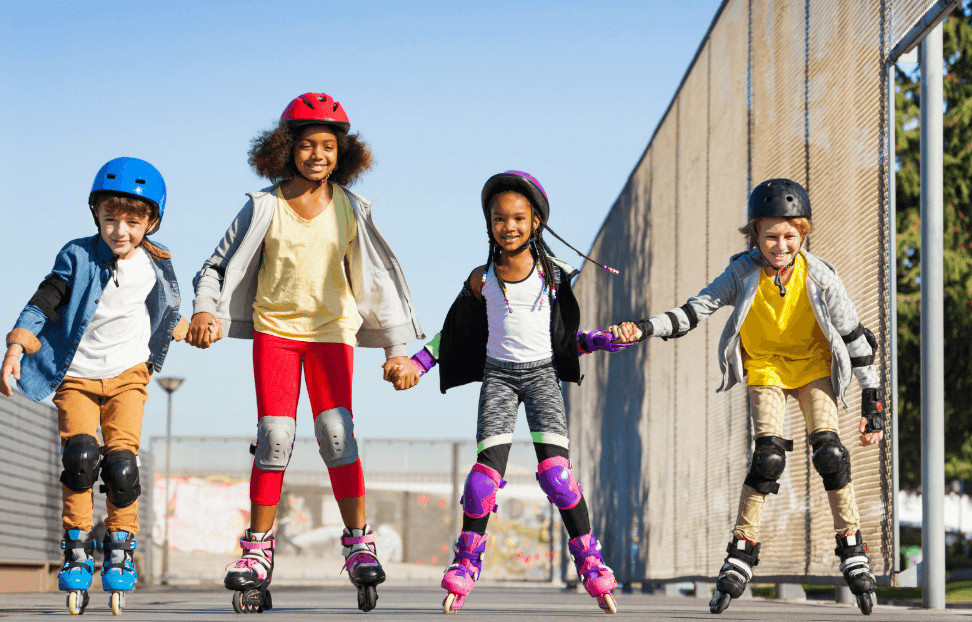
- Life jackets should not ride above the ears when you lift the shoulders
- Helmets should sit level — two fingers above the eyebrows
- Shoes should have a thumb’s width of room at the toe
- Rash guards should be snug but not restrictive
Sizing up is okay if your kid is growing. Too much though, and you have a problem. Two sizes up on a life jacket is safety issue. One size up on a hat is no problem.
Final Thoughts
Children’s outdoor equipment doesn’t need to be overly complicated. When you know what to look for shopping is way quicker, way cheaper, and way less stressful for all involved.
The greatest outdoor equipment is equipment that gets used. If it fits properly, keeps them safe, and withstands the torture children will inflict upon it, you have succeeded as a parent.
To quickly recap:
- Start with safety-critical items like life jackets and helmets
- Prioritise fit over price and over the cute factor
- Buy quality water sports gear that lasts more than one season
- Layer up for weather instead of buying one bulky item
- Ask real experts if you are not sure what to pick
Want less time (and money) spent at stores? Let your child play outside longer.
That’s a win-win.