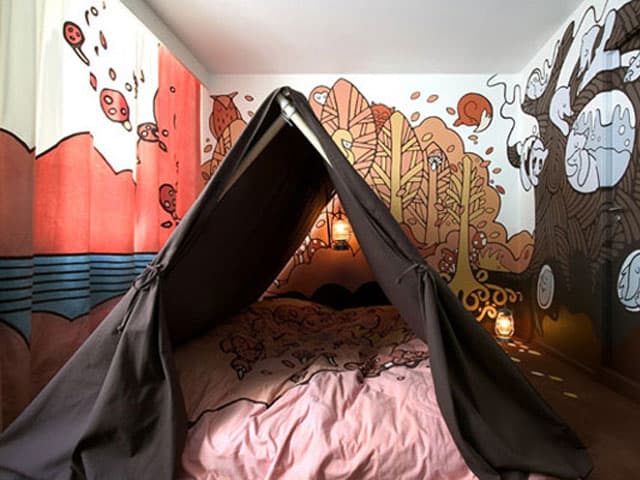
When kids won’t sleep, parents tend to focus on routines, reward charts, and gritted-teeth bedtime battles. But sometimes the problem isn’t what you’re doing at bedtime, it’s what’s in the room.
A child’s bedroom is often quietly full of things that sabotage sleep, and simply removing them can work wonders. Before you overhaul your entire bedtime strategy, take a look around their room. Here are ten things to keep out of a child’s bedroom for better sleep.
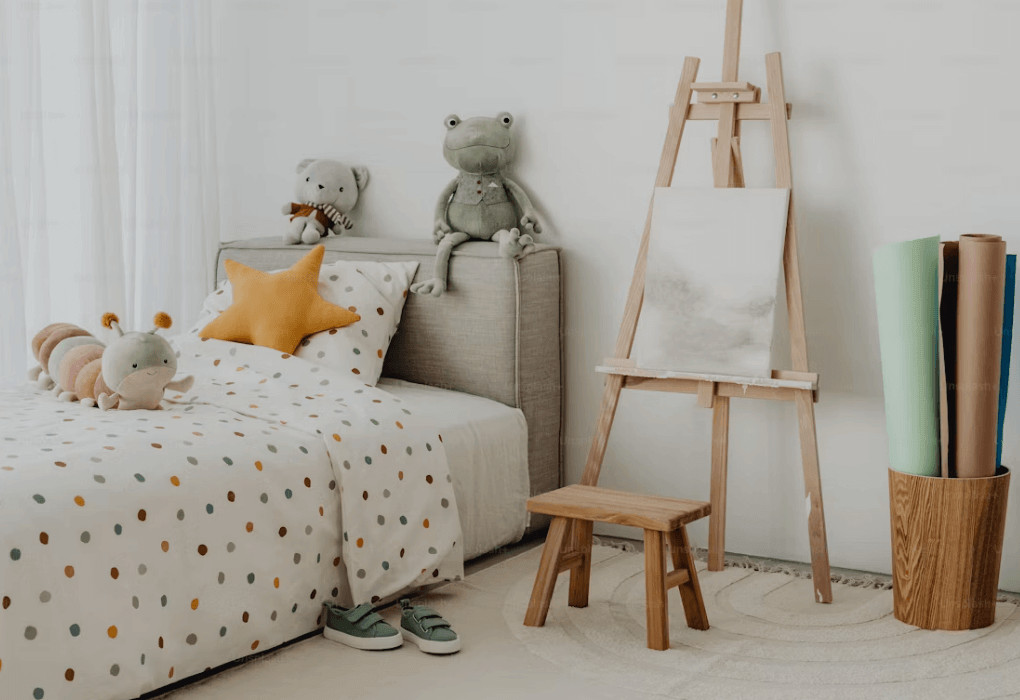
Photo by Karolina Grabowska for Unsplash
1. Screens of Every Kind
First and most important: screens. Televisions, tablets, phones, and games consoles are the number one sleep-wreckers in a child’s room, emitting alerting light and, worse, providing endless stimulation and temptation.
A screen in the bedroom is a recipe for late nights, resisted bedtimes, and secret midnight scrolling. Keeping all screens out of the bedroom, and ideally charging them elsewhere overnight, is the single most powerful change most parents can make for their children’s sleep.
2. Bright, Blue-Toned Lighting
Second, get rid of bright and blue-toned lighting. Harsh overhead lights and cool, bright bulbs signal daytime to a child’s brain right when it should be winding down. Swap them for soft, warm, dimmable lighting, and if your child needs a night light, choose a dim, warm-toned one rather than a bright white glow. The lighting in the room should gently support the shift towards sleep, not fight against it with a stimulating, daytime brightness.
3. Overstimulating Toys
Third, remove the overstimulating toys from the sleep space, or at least the bed. A bed piled high with noisy, exciting, light-up toys is an invitation to play, not sleep, and a room bursting with stimulating stuff keeps little minds buzzing.
Keep the most exciting toys in a playroom or out of sight at bedtime, leaving the sleep space calm and simple. A comfort toy or two is lovely, but the sensory overload of a toy shop is the enemy of settling down.
4. Clutter
Fourth, banish clutter, because a chaotic room makes for a chaotic, unsettled mind, even in children. Piles of stuff, mess everywhere, and an overstuffed space create low-level stimulation and stress that work against calm. A tidy, simple, uncluttered bedroom feels peaceful and sleep-friendly, so a quick tidy as part of the bedtime routine, and good storage to keep things away, helps signal that the room is now for resting, not for the day’s chaos.
5. Anything That Overheats the Room
Fifth, watch out for anything that makes the room too warm. Children sleep best in a cool room, so keep out excessive heating, heavy heat-trapping furnishings, and anything that turns the bedroom stuffy.
An overheated child is a restless, wakeful child, so aim for a comfortably cool room with breathable bedding. It’s one of the most overlooked factors in children’s sleep, and simply cooling things down can resolve a surprising amount of night-time restlessness.
6. Noisy Distractions
Sixth, reconsider anything noisy. Ticking clocks, humming electronics, and noisy toys that might get set off can all disturb a light-sleeping child.
Keep the room as acoustically calm as possible, removing unnecessary sources of sound, and if outside noise is the issue, consider gentle, consistent white noise to mask it rather than leaving sudden sounds to jolt them awake. A calm soundscape helps children drift off and stay asleep far more easily.
7. the Family Pet
Seventh, keep the pets out, tempting as the cuddles are. A child sharing their bed or room with a pet often means disturbed sleep, as animals move around, make noise, and wake in the night.
However lovely the bond, the bedroom during sleep hours is usually better as a pet-free zone, so everyone rests properly. The family pet can have plenty of cuddle time during the day without sabotaging your child’s nights from the end of the bed.
8. A Sabotaged, Uncomfortable Bed
Eighth, get anything sleep-sabotaging off the bed itself and make sure what’s underneath is right. The bed should be a calm, comfortable place associated purely with sleep, not a playground heaped with toys and gadgets.
It’s also worth checking what your child is actually sleeping on, since children’s mattresses for better sleep, ones that properly support their growing body, make a real difference to how comfortably and soundly they sleep, and it’s easy to overlook while focusing on everything else in the room.
9. the Room as Punishment
Ninth, remove the sense of the bedroom as a punishment. If a child’s room is where they get sent when they’re in trouble, they build a negative association with the very space they’re meant to relax in. Keep the bedroom a positive, safe, calm haven rather than a place of exile, so that going there feels comforting rather than like a sanction. The emotional atmosphere of the room matters as much as its physical contents.
10. Anxiety Triggers
Tenth, take out anything that fuels bedtime anxiety, from scary posters to a cluttered, shadowy setup that sparks a fearful imagination. Children’s fears are real to them, so a room that feels safe, calm, and reassuring, with a comforting nightlight if needed and nothing lurking to frighten them, helps enormously. Removing the specific things that trigger your particular child’s worries can be the difference between a fraught bedtime and a peaceful one.
Build a Calm Room on Purpose
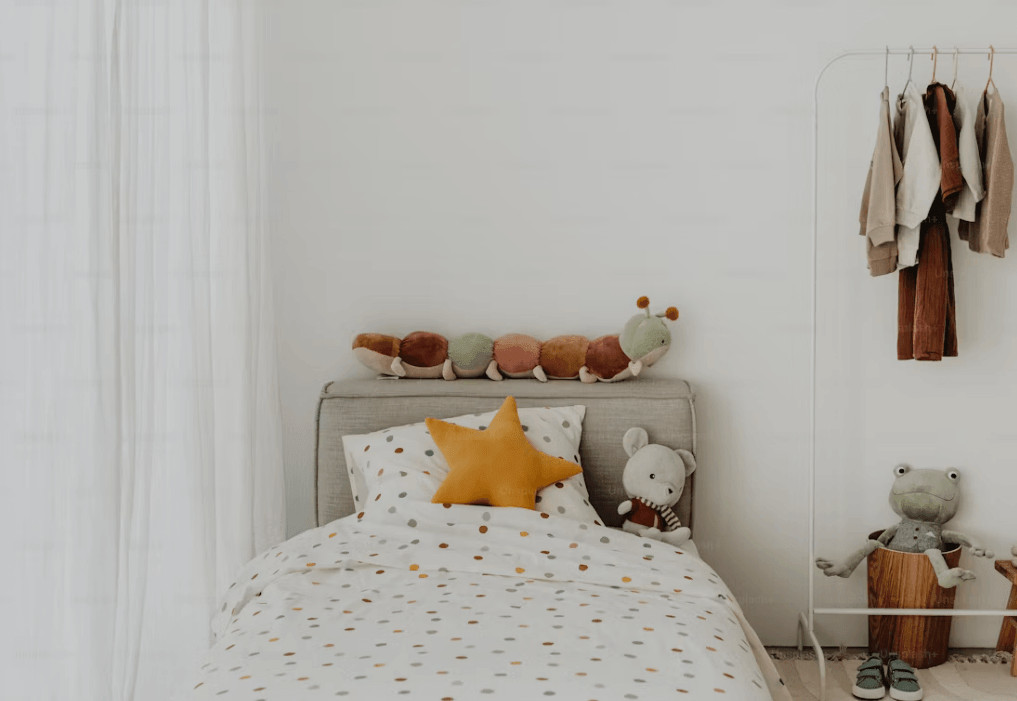
Photo by Karolina Grabowska for Unsplash
Taken together, these removals leave you with the real goal: a bedroom that is calm, cool, dark, quiet, and simple, which is exactly the kind of environment children sleep best in.
Rather than adding ever more gadgets, lights, and comforts to a child’s room in the hope of helping them settle, the trick is usually to strip it back, so the space itself quietly encourages sleep rather than working against it. A pared-back, peaceful room does a surprising amount of the bedtime work for you, night after night, long after you’ve left the room.
Let a Calm Room Do the Work
Clear these ten things out, and you may find your child’s sleep improves without a single change to your bedtime routine. Screens, bright light, overstimulating toys, clutter, heat, noise, pets, and anxiety-triggers all quietly work against rest, and a calm, cool, simple, comfortable bedroom does the opposite. Sometimes better sleep for your kids isn’t about doing more at bedtime, it’s about taking the saboteurs out of the room and letting a peaceful space do the work for you.