
Loss can be hard for anyone to understand, especially children. Ideas such as grief, sympathy, and remembrance can feel abstract. Flowers give families something simple and familiar to use when talking about them. Sympathy flowers can also help children connect colors and familiar blooms with messages of love, comfort, and remembrance.
A child can choose a color, pick a favorite bloom, or help write a short card. Those small decisions offer a way to take part without putting the weight of funeral or memorial planning on them.
There are no hard rules about what a flower color means. Traditions vary, and sometimes the most meaningful choice is simply a color the person loved. Still, common flower meanings can give families a place to start.
A Quick Guide to Sympathy Flower Colors
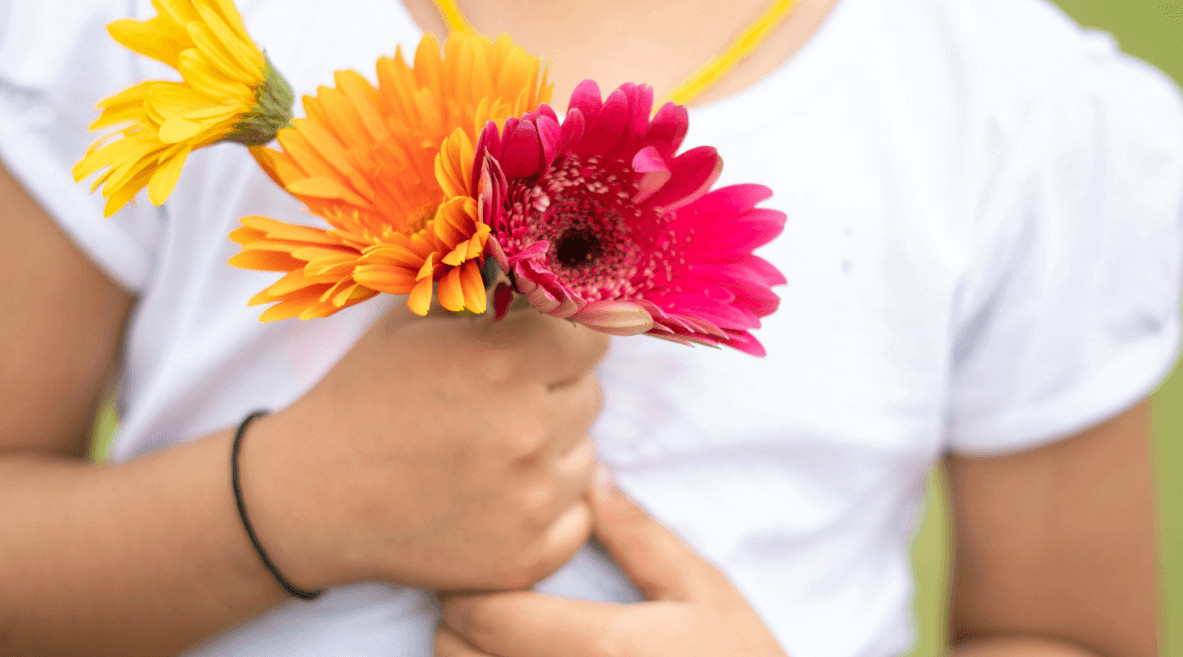
White is often linked with peace, respect, and remembrance. Pink can express affection, kindness, and gratitude. Blue and purple are associated with calm and comfort. Yellow often represents friendship, warmth, and happy memories, while red is commonly used to express deep love and devotion.
For children, though, a personal connection may matter more. Pink might be special because Grandma always wore pink. Yellow might bring back memories of sunflowers growing outside someone’s home.
White Flowers Can Help Explain Peace and Remembrance
Lilies, roses, carnations, and chrysanthemums are common choices for memorial and condolence arrangements. Their white blooms are traditionally associated with peace, respect, and remembrance.
That meaning is easy to explain without going into a long discussion about flower symbolism. A parent might say, “We chose white flowers because they remind us of peace and love.”
A child could pick one white flower for a bouquet or place it beside a photograph during a family remembrance. The simple act of choosing and placing the flower may be enough.
Pink Flowers Can Represent Love and Gentle Memories
Pink roses, carnations, orchids, and lilies are often associated with affection, gratitude, and gentle memories. They can be a fitting choice for remembering a relative, family friend, teacher, or another important person.
Instead of starting with what pink traditionally means, ask what the color means to the child. Maybe it was an aunt’s favorite color or reminds them of a garden they visited with a grandparent.
Questions can stay simple. “What does this flower make you remember?” may lead to a story that would not have come up otherwise.
Blue and Purple Flowers Can Encourage Calm Conversations
Hydrangeas, delphiniums, and irises bring shades of blue and purple to an arrangement. These colors are often linked with calm, comfort, trust, and reflection.
They can also open the door to a basic explanation of why people send flowers after a loss. Tell children that when someone is grieving, friends and relatives often look for ways to show that they care and are thinking about them. Sending flowers is one of those traditions.
There is no need to turn the conversation into a lesson on symbolism. If a child chooses a purple iris because the person grew irises in the backyard, that memory gives the flower its own meaning.
Yellow and Red Flowers Can Reflect Personal Bonds
Yellow flowers bring a different feeling to a remembrance. Sunflowers, roses, tulips, and daisies are often associated with friendship, warmth, and hope.
They can also remind children that remembering someone is not only about being sad. Talk about the person’s jokes, favorite foods, hobbies, vacations, or the things they enjoyed doing together. A bright sunflower may feel right for someone remembered for a big personality and an even bigger laugh.
Red has a stronger association with deep love and devotion. Red roses are often chosen when remembering a spouse, parent, grandparent, or another close family member.
Traditional meanings are only one guide. Someone who filled a garden with red tulips might be better remembered with tulips than roses. The connection to the person is what makes the choice meaningful.
Let Children Help Choose a Meaningful Tribute
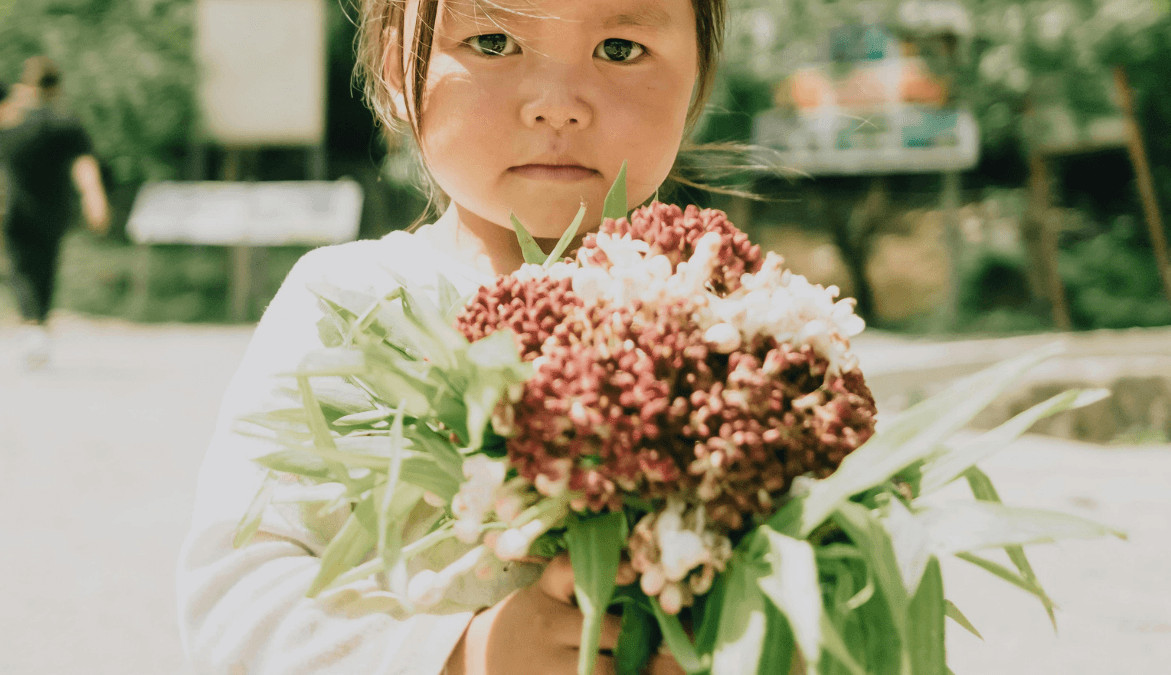
Children do not need a role in every funeral or memorial decision. Give them one small choice instead.
They might pick a flower for an arrangement, choose a color, draw a picture for a card, or tell you a favorite memory. Older children may want to write their own short message. A simple DIY memory book or sympathy card can also give kids a hands-on way to share a drawing, memory, or message of care.
Where the flowers are going can also shape the choice. Families may send bouquets, vase arrangements, plants, wreaths, or other floral tributes. A small arrangement or plant can be practical for someone’s home, while larger floral pieces are more often used at funeral and memorial services.
Create a Simple Remembrance Bouquet Together
A remembrance bouquet can become a quiet family activity rather than another formal part of a memorial.
Let each child choose one to three flowers. Ask why they picked them, but do not worry if the answer has nothing to do with traditional flower meanings. One flower might be a favorite color. Another might look like something that grew in Grandpa’s garden. A third might simply make the child think of a happy day.
Put the flowers in a small vase and add something personal beside them. Children could draw a picture, make a card, or write down a favorite memory.
Families who have space outdoors can plant something instead. Choosing a flower, digging a small hole, watering the plant, and watching it grow gives children a hands-on way to remember someone over time.
Help Children Connect Flowers With Comfort and Remembrance
Children may not understand every part of grief, but they can understand that flowers are a way to remember someone they love.
There is no perfect color or flower to choose. A favorite bloom, a color tied to a happy memory, or something picked from the garden can carry more meaning than traditional symbolism.
Giving children a small role, such as choosing a flower, sharing a story, or helping plant something in someone’s memory, gives them a simple way to take part. It can also create a family tradition that keeps special memories close.