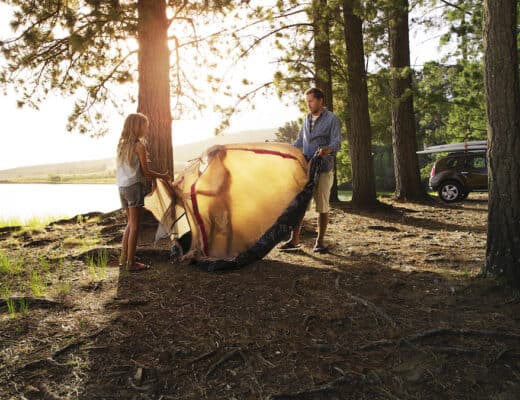
A hotel is no longer just a place to sleep
It’s 6:40 p.m. somewhere past the state line. The kids have asked twice when dinner is, the youngest fell asleep twenty minutes ago, and the next big town is ninety minutes away. Keep pushing, or stop? For a growing number of families, that decision isn’t about endurance anymore. It’s about logistics.
The overnight stop has become part of the trip itself. Parents need a place that reduces friction after a long day of driving; children need comfort, space, and food that doesn’t come through a car window. A roadside stay is no longer just a bed between highways – it’s the difference between arriving exhausted and arriving human.
Why the trend matters now
Hilton’s 2026 travel research identifies a renewed U.S. road-trip trend – and one number stands out: 61% of travelers won’t drive more than five hours without a hotel stop. For families, that translates into more deliberate overnight stops, planned rather than suffered. And when the stop is planned, its quality and convenience start to matter a lot more.
Why Road Trips Are Having a Moment Again
Flexibility is part of the appeal
Part of the answer is control. A road trip runs on the family’s schedule: leave after breakfast or before dawn, stop for the world’s largest ball of twine, carry the scooter, the cooler, and the stuffed animal collection without a baggage fee. For parents, this flexibility is not a luxury – it’s survival. Nap schedules, bathroom breaks, meals, unexpected attractions, moods that swing by the hour. An itinerary that can bend around a child’s energy level beats a rigid one that breaks against it.
Value matters too
Value plays a role too, though not a simple one. The 2025 Family Travel Survey found that 73% of parents consider affordability a major challenge. Road trips can skip the airfare – but the money doesn’t disappear. It moves: fuel, food on the road, attractions, and yes, accommodation. Families aren’t necessarily spending less. They’re spending differently, and the overnight stop is one of the line items that absorbs the difference.
What Families Actually Need From a Roadside Stay
Convenience beats unnecessary complexity
The roadside checklist of a traveling family is gloriously unglamorous: parking right by the door, because unloading a sleeping child is an operation; quick check-in, because patience expired at mile 300; a room on the ground floor or near the elevator; breakfast included, because finding food for four at 7 a.m. in an unfamiliar town is a job; Wi-Fi that works, because a tablet can buy twenty quiet minutes. None of this is luxury. Each item solves a specific problem that arose sometime between “are we there yet” and the parking lot.
Room configuration matters
A family of four is not two solo travelers sharing an elevator. Room size, connecting rooms, sofa beds, a refrigerator, a microwave, and a bathroom layout that survives bedtime all shape the booking decision. The math can surprise: parents will often accept a slightly higher rate for a suite or connecting setup, because the alternative – booking two separate rooms – costs more and scatters the family. Configuration isn’t a preference. It’s capacity planning.
Comfort becomes more important after a long drive
And then there’s the part that only matters after six hours in a car: sleep. Hilton’s research found that 90% of travelers prioritize a comfortable bed after a day on the road – and families feel that number in their bones. Quiet hallways, blackout curtains, clean rooms, mattresses that don’t announce every movement. After a long drive, comfort stops being an amenity. It’s the whole product.
Kids Are Becoming Part of the Accommodation Decision
The child is no longer just along for the ride
Anyone who has traveled with children knows the official decision-maker is rarely the one paying. Kids influence where families go, what they do when they get there, where everyone eats, and which overnight stop sounds acceptable. Hilton’s family travel research – broader than road trips specifically – found that 60% of UK travelers choose holidays around their children’s needs and interests. The roadside stay hasn’t escaped this shift. A child who remembers the stop fondly makes the next drive easier. A child who doesn’t lets everyone know.
Small amenities can have an outsized impact
The encouraging part for families: the amenities that win children over are rarely expensive. A pool turns a forgettable stop into the highlight of the day – thirty minutes of splashing can reset moods that hours of driving frayed. Free breakfast is both a budget line and a morning without negotiations. A nearby restaurant, a patch of grass to run on, a game in the lobby, a vending machine that works. Small things, outsized impact. The property doesn’t need to be a resort. It needs to give a kid one good memory and give the parents one easy evening.
Motels, Hotels, and Alternative Roadside Stays Are Competing Differently
Why motels can still work for families
The motel format was practically invented for this trip: pull off the highway, park at the door, carry everything six steps, sleep, leave. For road-tripping families, that simplicity has real value – easy parking, direct room access, lower prices, and locations glued to the roads families actually drive. A well-kept roadside motel answers the exact questions a tired family is asking, without charging for the ones nobody asked.
When hotels have the advantage
Branded hotels win on a different axis: predictability. Consistent room standards, breakfast included, a pool that exists and is open, loyalty points that turn this summer’s stops into next summer’s discount, and booking that takes three minutes on a phone at a rest area. When the trip has already delivered twelve hours of surprises, a hotel that promises zero more of them is worth a premium. Consistency is the amenity.
Alternative stays expand the choice
Then there’s the widening middle: vacation rentals with kitchens and separate bedrooms, cabins at the edge of a state park, campgrounds for the families who pack accordingly, extended-stay properties that turn a long stop into a small home. No format wins universally – the right choice depends on trip length, family size, budget, and whether the stop is a pause or part of the destination. The good news for families is that the choice itself has expanded. The highway now offers more than one kind of night.
Location Matters More When Families Travel by Car
The best location may be the easiest one
Here’s a thought experiment every road-tripping family has already run. Hotel A sits downtown – charming, walkable, twenty minutes off the route. Hotel B is five minutes from the highway exit, with a gas station next door and a grocery store across the street. On a destination trip, Hotel A wins. On a driving day, Hotel B wins easily. A transit-oriented stay plays by different rules than a destination hotel: proximity to the interstate, fuel, food, and a store beats proximity to the sights. The best location is the one that shortens tomorrow.
Stopover towns can become destinations
And sometimes the stopover surprises. Families increasingly discover that the town chosen for its exit number has a diner worth writing home about, a riverside park, a strange little museum, a local festival that weekend. The overnight stop stops being wasted time and becomes part of the adventure – a small-town discovery nobody planned. That’s a quiet shift in how families see the map: the places between the destinations are places too.
The New Family Roadside Experience
Practical amenities are becoming part of the experience
The properties winning repeat family business have figured out the formula: convenience plus one small delight. Fast check-in and a pool. Parking at the door and a breakfast the kids actually eat. A grassy courtyard, a lobby game shelf, cookies at the desk – the specifics vary, but the pattern holds. Practical features remove the friction; one memorable touch creates the loyalty. Families return to the stop that treated the overnight as part of the trip, and they tell other families about it at the next rest area.
Trust and consistency matter
Underneath it all sits trust. Hilton’s 2026 research found that 74% of travelers value booking with brands they know – and with children in the back seat, that preference hardens. Parents traveling with kids have a low tolerance for unpleasant surprises: the room that doesn’t match the photos, the pool closed for maintenance, the neighborhood that feels wrong at 10 p.m. Familiar names and recent reviews from other families reduce that risk. Predictability isn’t boring when you’re outnumbered.
What Changing Family Travel Means for Hospitality
Travel behavior influences which properties become valuable
Zoom out from the family in the car, and a bigger pattern comes into focus: travel behavior shapes which hospitality properties thrive. When more families choose road trips, demand concentrates where the trips happen – along interstates, near attractions, in towns with food and fuel and a decent pool. Locations with strong road connectivity and steady overnight demand become more relevant; properties matched to how families actually travel fill rooms that others don’t. The preferences described in this article aren’t just travel tips. They’re demand signals.
From family travel trends to property intelligence
Following those signals leads naturally to a different kind of question. “Where should the family stay tonight?” is a travel question. “What kinds of properties serve this demand – and where?” is a market question. For readers curious about that second one, a more detailed guide to hospitality real estate offers a window into the property side: exploring commercial real estate, comparing markets, and seeing how hospitality demand shows up in real places. The family plans the trip. The map of where families stop quietly plans something else.
The Road Ahead for Family-Friendly Roadside Stays
The winning properties will reduce friction
What comes next for roadside stays isn’t a mystery format or a futuristic concept – it’s attention to the realities of family travel. The properties that win will keep reducing friction: flexible stopping points, convenient access, rooms that fit actual families, amenities that solve real problems, and experiences predictable enough to trust at the end of a long day. None of that requires reinvention. It requires listening to the family unloading at 7 p.m.
The journey is becoming part of the destination
Which brings the story back to that car at 6:40 p.m., the sleeping youngest, the ninety-minute question. More families are choosing to stop – and the stop itself has become part of the destination, not an interruption in it. That’s the real shift. And it reaches further than one family’s trip: understanding where and why families travel turns out to explain how the places that welcome them evolve.