“How much farther?” can show up pretty quickly on a family nature walk. Give kids a mission, though, and the same trail can feel completely different.
Ask them to search for something, take pictures, follow clues, or keep track of discoveries. Suddenly, getting to the end of the trail isn’t the only goal.
You don’t need to plan an elaborate treasure hunt, either. A few simple tools and a little preparation are enough to put kids in charge of parts of the adventure.
Search With Electronic Scanning Tools
A beach, open field, or public park gets a lot more interesting when there’s something hidden to find.
Before heading outside, show kids how the tool works. Place a coin, bottle cap, washer, and another metal object on the ground, then scan each one. Listen to the detector together and see if the sounds change from one object to another. Have everyone guess what the detector will find before checking.
With adult supervision, children can learn to move slowly across an area and investigate when they hear a signal. Many families use portable metal detectors to scan sandy shorelines or grassy spaces where detecting is permitted. Take turns so everyone gets a chance to run the detector.
For a more organized hunt, divide the search area into imaginary lanes. Work through one lane at a time instead of wandering around. Bring a small notebook to record where each object was found, what it looks like, and what it might have been used for.
Check local rules before detecting or digging, especially in parks, beaches, historic areas, and other public spaces.
Make a Nature Scavenger Hunt Together
Skip the ready-made scavenger hunt and have everyone contribute a few things to find. Combine the ideas into one family checklist before you head outside.
You can turn the list itself into a quick DIY project. Fold a few sheets of paper in half and staple or tie them together to make a small field notebook. Decorate the cover, write the scavenger hunt inside, and save a few blank pages for sketches and notes.
Try searching for specific shapes, colors, textures, and natural objects. Setting clear targets can help keep the group focused along the trail. Change the list with the seasons, looking for colorful leaves in fall or new buds in spring.
A basic list might include:
- Smooth gray river stones
- Brown oak leaves
- Small fallen pinecones
- Dry birch bark pieces
Older kids can read the clues and keep score, while younger siblings handle the spotting.
Go on a Geocaching Treasure Hunt
Geocaching is about as close as a regular family walk gets to a real treasure hunt. Using GPS coordinates, the family works toward a hidden cache and then searches for it once everyone gets close.
Put kids in charge of watching the distance, choosing the direction, and announcing when you’re getting warmer. A parent can handle the app when necessary.
Before the search begins, explain that geocaches go back exactly where they were found. Practicing good trail ethics also means searching without damaging plants, moving natural features, or bothering wildlife.
Once you’re close, step back and let the kids hunt. Odd-looking logs, clever containers, and unexpected hiding spots are part of the fun.
Some caches contain small objects that can be traded. If you take something, leave something of equal or greater value behind. For another project before the walk, make a tiny craft or token at home to bring along as a trade.
Make a DIY Nature Color Finder
Grab a few colors and see how closely you can match them to things you find outside.
Start with a piece of recycled cardboard. Paint or glue several color swatches onto it, punch a hole in one corner, and add a loop of string so the card is easy to carry.
On the trail, compare the greens of leaves, browns of tree bark, grays of stones, and colors of fallen petals. Some matches will be obvious. Others may spark a family debate over whether a leaf is olive, lime, or something in between.
For a hands-on version, add strips of double-sided tape beside the colors. Attach tiny, already-fallen natural items next to their closest match. Leave living flowers, leaves, and plants where they are.
Track Animal Footprints and Natural Signs
After a rainy day, muddy sections of the trail can be full of clues. Look for footprints, feathers, chewed plants, marks in soft soil, or other signs that an animal recently passed through.
Bring a pocket field guide or identification app and compare the clues with common animal tracks. Instead of immediately giving kids the answer, ask what details helped them make their guess.
Look for:
- Muddy paw prints near streams
- Chewed twigs or stripped tree bark
- Fallen feathers near bushes
- Small burrows around tree roots
Take pictures or make sketches, but don’t touch nests, burrows, scat, or wildlife. A “wildlife detective” page in the field notebook can include the location, a drawing or photo, and a guess about which animal left the clue.
Back home, pull out the field guide again and see how many trail guesses were right.
Give Kids a Nature Photography Challenge
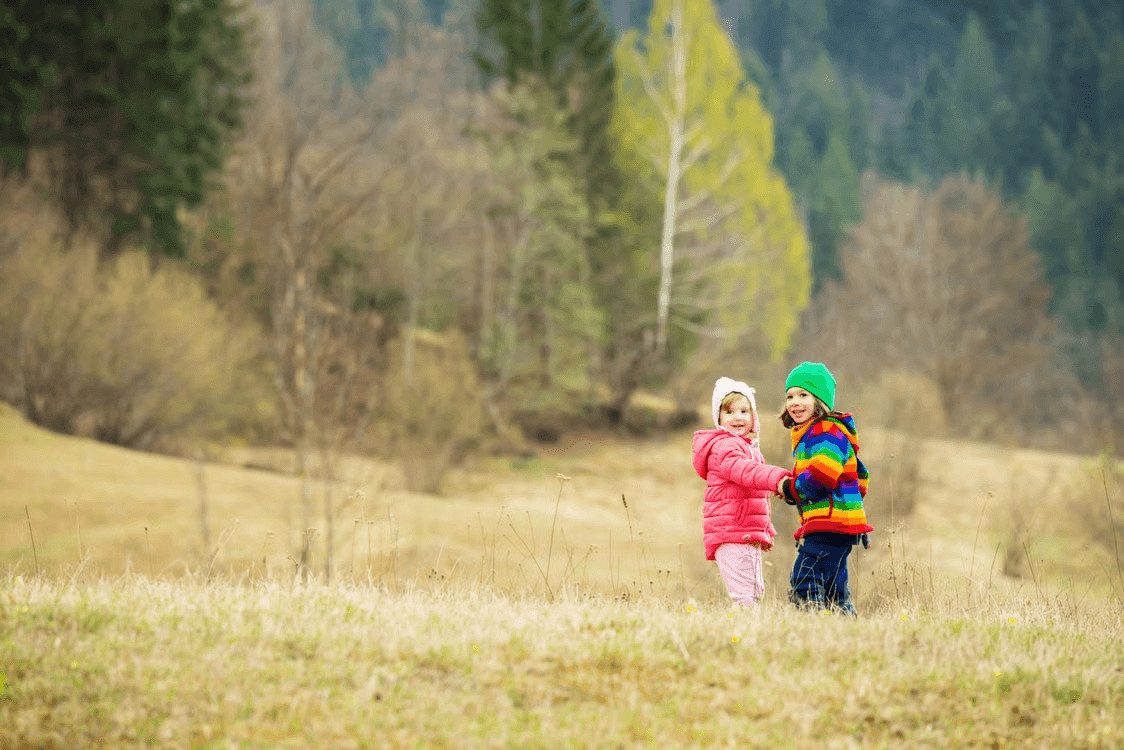
Instead of bringing leaves, rocks, and flowers home, challenge kids to collect their finds with a camera.
Make a short photo list with prompts such as a heart-shaped leaf, rough tree bark, a reflection in water, an interesting shadow, or something with an unusual pattern. Hunting for those details encourages creative visual thinking and can reveal things everyone might otherwise walk right past.
Hand over a phone or age-appropriate camera and let the photographer make the decisions. Older kids can play with framing, distance, and perspective. Younger kids can concentrate on finding each prompt and getting it in the picture.
After the walk, pick a few favorites to print. Add them to the field notebook, write captions, or turn them into a nature collage.
Make a Map and Follow the Clues
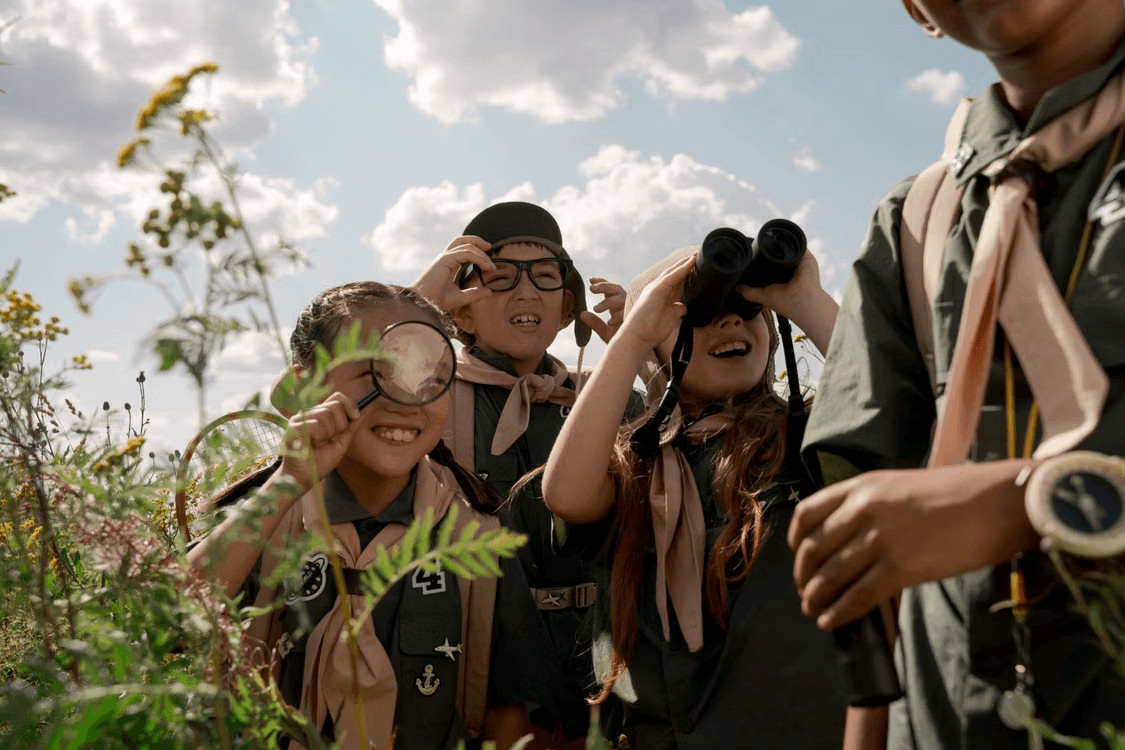
A simple map and compass can turn a familiar trail into a navigation challenge.
Start by showing kids how to find north, line up the map with their surroundings, and recognize obvious landmarks. Then hand over the navigator job for part of the walk while an adult makes sure everyone stays on a safe, marked route.
For more of a treasure-hunt feel, prepare a few direction cards ahead of time. A clue might tell the group to walk north until they reach a bridge, then look for the next clue near a trail marker.
Or put the kids in charge of making the map. Choose a familiar backyard, park, or trail and have them draw the route, mark landmarks, and add arrows or compass directions. Then let another family member test it. If they end up at the picnic table instead of the big oak tree, the mapmaker gets another shot.
The treasure hunt doesn’t have to end when you leave the trail. Bring the photos, sketches, maps, checklists, and notes home and turn them into a family nature journal or adventure scrapbook. Add captions, draw the animals you tracked, or mark favorite discoveries on a homemade map.
What started as a walk is now something the kids helped plan, explore, document, and make. And the next time someone asks, “How much farther?” you can hand them the map.