Give a kid a cardboard box, a few craft supplies, and a little imagination, and you never know what they’ll create. It might become a spaceship, a miniature house, or something entirely unexpected. The best part? While they’re having fun, they’re also learning how to solve problems, make decisions, and try new things.
That’s what makes hands-on activities so valuable. Whether you’re building something together, planting a garden, cooking a family meal, or trying a new sport, these experiences give kids a chance to learn by doing.
And you don’t need expensive materials or elaborate plans to get started. Some of the most rewarding activities happen right at home, with everyday supplies and a little encouragement.
Hands-On Activities Build Practical Skills
One of the biggest advantages of hands-on activities is that children get to practice skills in real situations. Reading about how to build something is different from picking up materials, following instructions, and putting the pieces together themselves.
For example, a child working on a simple building project must think about which materials to use, how different pieces fit together, and what to do if the structure does not work as expected. Even a small project can introduce basic concepts related to measurement, planning, balance, and problem-solving.
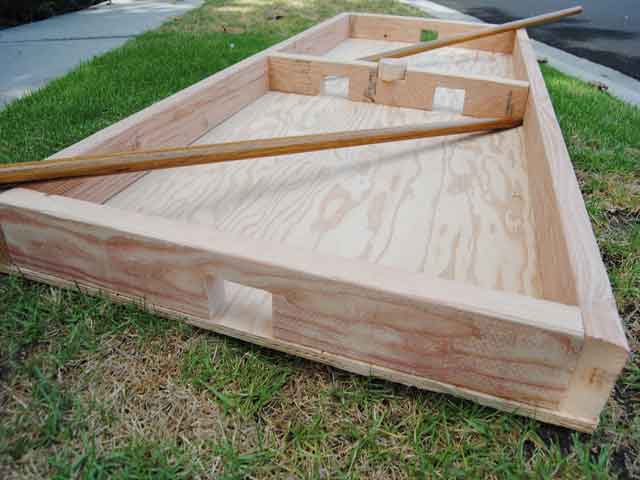
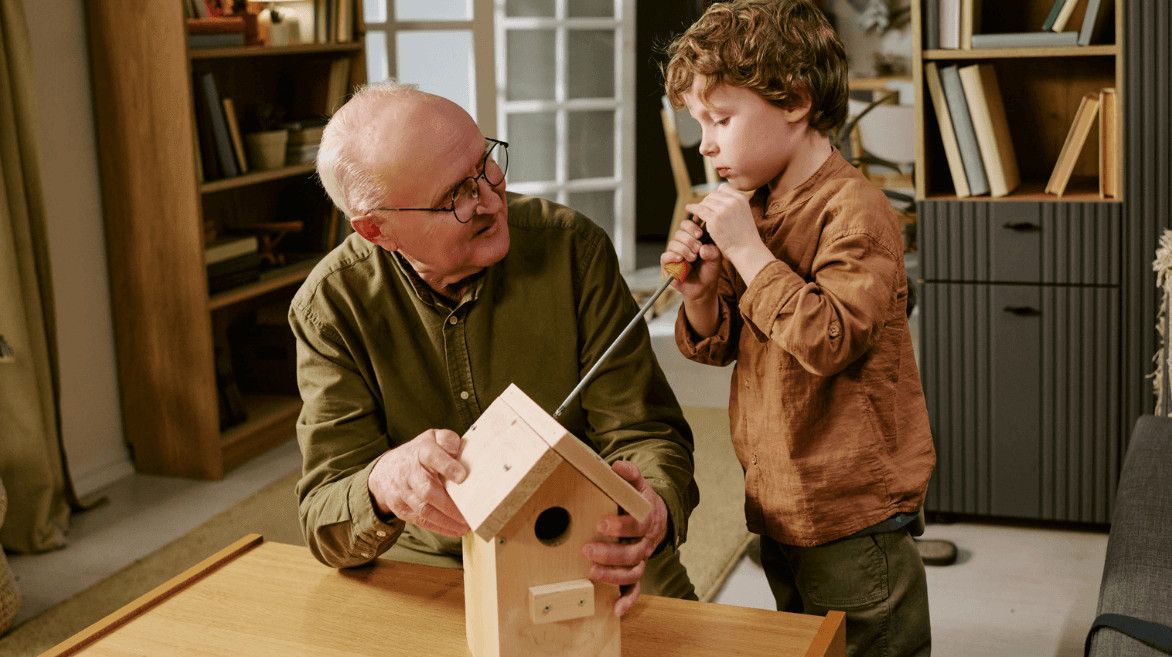
A weekend project can be as simple as building a birdhouse, creating a cardboard marble run, or making a small planter box together. Younger kids can help measure, decorate, and organize materials, while older children can take on more challenging steps with adult supervision.
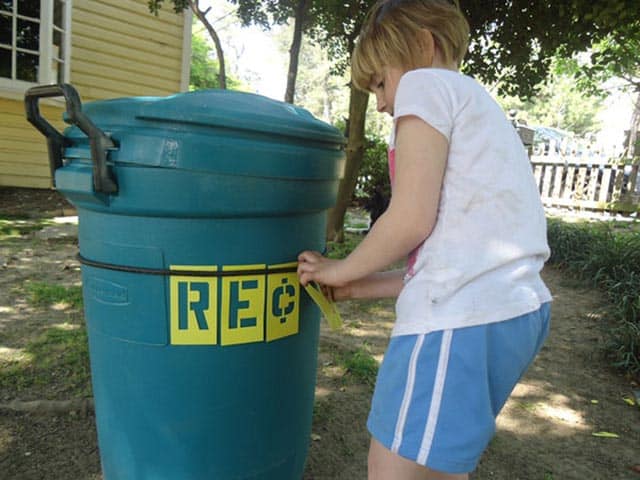
Everyday activities offer similar learning opportunities. Helping prepare a meal can introduce children to measuring ingredients, following steps, and understanding how different tasks fit together. Gardening teaches patience, responsibility, and the importance of caring for something over time.
Simple science and math activities count too. A baking soda volcano, a rainbow density jar, or a nature scavenger hunt can be done with things from the kitchen or backyard. Counting, sorting and measuring games turn math into something children can touch and move around. Let them guess what will happen first, then talk about what they saw.
These practical experiences help connect what children learn in school with situations they encounter in everyday life. They also show that learning does not have to happen at a desk or through a formal lesson. Sometimes, the most memorable lessons come from simply getting involved and trying something new.
Creativity Grows When Children Have Room to Experiment
Children naturally enjoy exploring different possibilities. Give them a collection of building blocks, art supplies, or recycled materials, and they will often find ways to use them that adults might not have considered.
Creative activities give children the freedom to experiment without worrying too much about getting everything right. A cardboard box might become a spaceship, a collection of paper shapes could turn into an imaginary city, or a simple drawing might develop into a larger storytelling project.
This kind of open-ended play encourages children to think independently. Rather than following one set of instructions, they make choices about what they want to create and how they want to approach it.
It is also an opportunity to understand that there can be several ways to solve the same problem. If a craft project does not turn out as expected, children can change their approach, use different materials, or start again with a new idea.
Parents can encourage this development by providing accessible materials and allowing children to take the lead. The goal does not need to be producing something perfect. Giving children the freedom to explore, make decisions, and enjoy the process is often more valuable than the finished project.
Trying Different Activities Helps Children Discover Their Interests
Not every child enjoys the same things, and interests can change as children get older. One might spend hours drawing or building models, while another prefers outdoor games, music, cooking, or physical challenges.
Introducing children to a variety of activities helps them discover what captures their attention. It also prevents them from feeling that they need to become good at just one thing.
Sports, in particular, can offer a different kind of learning experience. They combine physical movement with communication, coordination, decision-making, and teamwork. Children who are not particularly interested in traditional team sports might find other recreational activities more appealing.
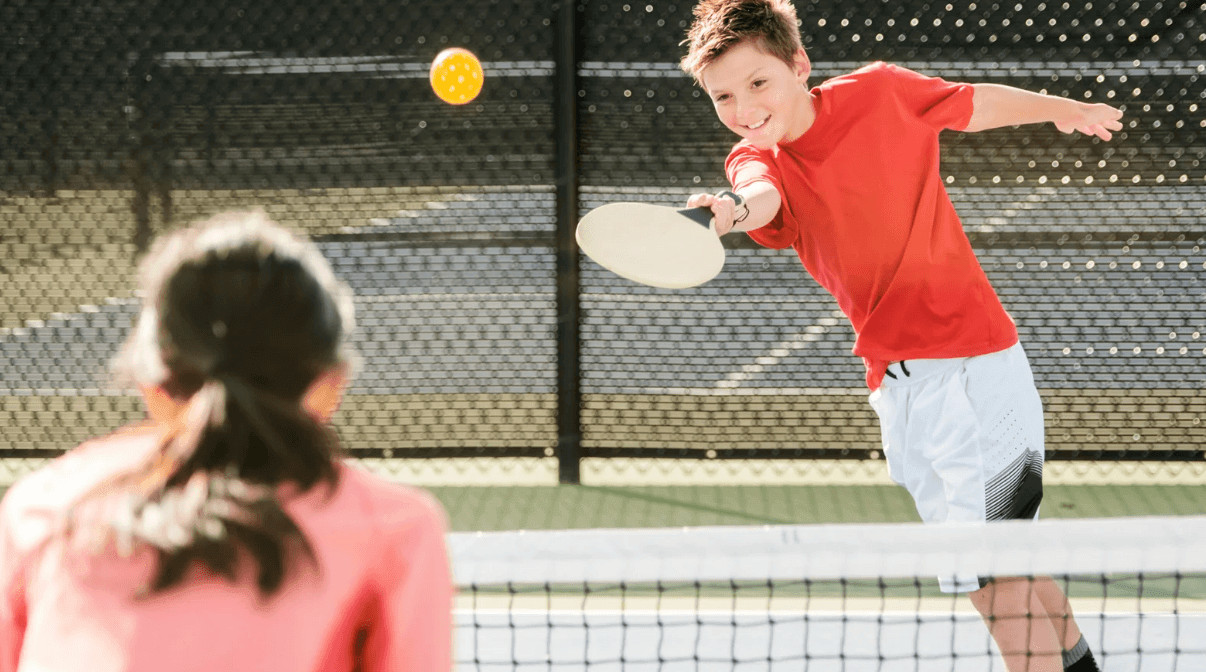
For example, kids who enjoy active games might like to try pickleball with their parents or siblings. It’s a fun way to practice coordination, movement, and simple strategies while enjoying some friendly competition. Children who aren’t drawn to traditional team sports may find activities like this more appealing.
The important thing is to keep the experience enjoyable rather than treating every new activity as a test of ability. Children should have the freedom to decide what they like, what they want to practice, and whether they would like to continue.
Problem-Solving Becomes Easier With Practice
Making mistakes is a normal part of learning, but children sometimes become frustrated when something does not work the first time. Hands-on activities provide a natural way to help them understand that challenges can be approached step by step.
Consider a child building a model from construction pieces. If one section keeps falling apart, they have to think about what might be causing the problem. Perhaps the base is too narrow, the pieces are not connected properly, or the structure needs additional support.
Rather than immediately fixing it for them, parents can ask simple questions that encourage independent thinking. What do you think is making it fall? Could you try a different arrangement? What happens if you change this part?
These questions help children examine a situation instead of relying on someone else to provide the answer.
The same approach works during cooking, gardening, science experiments, and sports. Children learn to observe what happens, consider different solutions, and make adjustments.
Over time, they become more comfortable approaching unfamiliar challenges. They also begin to understand that not knowing something immediately does not mean they cannot learn it.
Small Responsibilities Encourage Independence
Hands-on activities can also teach children how to take responsibility for their actions and belongings. Even simple household tasks provide opportunities to develop independence.
Younger children might enjoy putting away toys, watering plants, sorting laundry, or helping set the table. Older children can take on more involved responsibilities, such as preparing a basic breakfast, organizing their school supplies, or looking after a small garden.
These activities help children understand that everyday tasks require attention and consistency. They also give them a sense of contribution because they can see how their efforts help the household.
Parents can gradually introduce more responsibility as children become comfortable with different tasks. It is helpful to explain what needs to be done, demonstrate the process when necessary, and allow children to complete manageable parts independently.
There may be occasional spills, misplaced items, or unfinished tasks along the way. That is part of the learning process. Allowing children to participate, even when the results are not perfect, helps them develop confidence in their abilities.
Working With Others Develops Social Skills
Many hands-on activities become even more valuable when children participate with siblings, friends, or other family members.
Building something together, playing a recreational game, or completing a group project requires children to communicate their ideas and listen to other people’s suggestions. They may need to share materials, take turns, divide responsibilities, or agree on how to approach a challenge.
These interactions teach important social skills that are difficult to develop through instruction alone.
For instance, a group building project might involve deciding who will collect materials, who will assemble different sections, and how the finished structure should look. Children learn that everyone can contribute something useful, even when their ideas are different.
Sports and group activities provide similar opportunities. Children practice following rules, encouraging teammates, handling disagreements, and responding appropriately when things do not go their way.
Parents can support these experiences by encouraging cooperation rather than focusing entirely on winning or completing a project first. Recognizing effort, patience, and helpful behavior makes group activities more rewarding.
Physical Activities Support More Than Fitness
While creative and practical projects develop different abilities, physical activities are equally important in a child’s overall development.
Running, cycling, swimming, dancing, and playing sports help children develop coordination, balance, strength, and body awareness. Regular movement can also provide a healthy break from screen-based entertainment and sedentary routines.
Different activities challenge children in different ways. Swimming encourages body control and coordination, while cycling develops balance and spatial awareness. Racket sports involve tracking moving objects, adjusting movement, and coordinating hand and eye actions.
These experiences can also help children become more comfortable with physical challenges. A skill that initially seems difficult may become easier after repeated practice.
It is important to introduce activities that match a child’s age, interests, and abilities. Children should have appropriate supervision and equipment, particularly when participating in sports or activities involving water.
Rather than making physical activity feel like another obligation, parents can focus on making it enjoyable. Exploring different options as a family can make movement a regular and positive part of everyday life.
Confidence Comes From Seeing Progress
One of the most rewarding parts of learning a new skill is recognizing how much progress has been made.
A child who initially struggles to tie a knot might eventually complete a small craft project independently. Someone who finds it difficult to ride a bicycle may gradually develop enough balance to ride comfortably. A child learning a new sport might begin by understanding the basic rules before becoming more confident with the movements involved.
These small achievements matter because they give children visible evidence of their own abilities.
Parents can encourage confidence by acknowledging effort rather than focusing only on results. Comments such as noticing how carefully a child followed instructions or how they kept trying after making a mistake can reinforce positive learning habits.
It is also important to avoid comparing children with siblings, classmates, or friends. Every child develops at a different pace, and progress should be measured against their own previous experiences.
When children feel that their efforts are valued, they are more likely to approach future challenges with curiosity instead of worrying about failure.
Making Hands-On Learning Part of Everyday Life
Parents do not need expensive equipment, elaborate projects, or a packed weekly schedule to give children meaningful learning experiences. Many useful activities can be introduced through ordinary household routines and simple recreational opportunities.
A weekend might include baking something together, visiting a local park, working on a small DIY project, or learning a new game. During the week, children can help with age-appropriate household tasks, explore art materials, or spend time practicing a skill they recently discovered.
It can also help to let children participate in choosing activities. Offering a few possibilities gives them a sense of ownership and makes them more likely to get involved.
At the same time, children need unstructured time. Not every moment has to be planned around a lesson or developmental goal. Free play allows them to follow their imagination, explore their surroundings, and decide how they want to spend their time.
The best approach is to create a balance between guided experiences and independent exploration.
Helping Children Grow One Experience at a Time
You don’t need a perfectly planned activity or a garage full of tools to help your kids learn something new through hands-on activities. Sometimes, all it takes is a cardboard box, a few basic supplies, or an afternoon spent trying something together.
Whether you’re building a backyard project, experimenting with a new recipe, or learning a sport as a family, the experience matters more than getting everything right. There will be mistakes, unexpected discoveries, and probably a few messes along the way. That’s part of the fun!
So the next time your kids are looking for something to do, invite them to build, create, or explore something new. You might be surprised by what they come up with.