For many families, the bathroom is one of the busiest rooms in the house. It is where children learn important daily habits, get ready for school, and develop independence as they grow.
This is especially important in growing communities such as Atlanta, where many families are investing in home improvements that support long-term living. Rather than creating spaces that only meet immediate needs, homeowners are increasingly looking for practical designs that can adapt as their children get older. A bathroom that works well for a toddler may not be as functional for a teenager, which is why thoughtful planning matters from the start.
Creating a kid-friendly bathroom is not about filling the space with child-themed decorations or temporary features. Instead, it is about designing a room that is safe, accessible, organized, and flexible enough to evolve with your family over time. With the right choices, you can create a bathroom that serves young children today while remaining useful for years to come.
Start With a Flexible and Family-Friendly Design
One of the most important steps in making a bathroom kid-friendly is thinking beyond your family’s current stage of life. Children grow quickly, and their needs change just as fast. Features that seem perfect for a preschooler may become unnecessary within a few years.
A flexible design helps avoid frequent renovations and costly updates. Instead of focusing on temporary solutions, homeowners can choose features that remain practical as children move from early childhood into their teenage years.
Many families begin by evaluating how the bathroom is used every day. Storage needs, traffic flow, accessibility, and safety should all be considered. Durable materials and adaptable layouts often provide the best long-term value because they can accommodate changing routines without requiring major modifications.
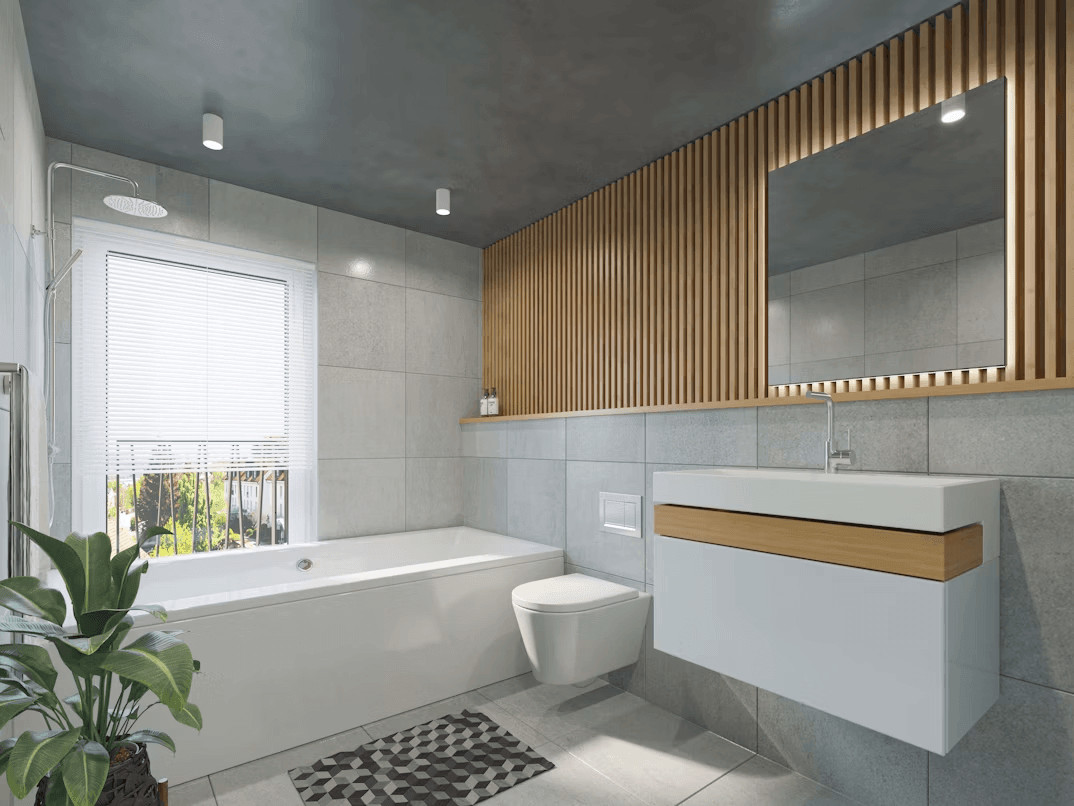
Families in Georgia who are planning larger updates often explore Atlanta bathroom remodeling solutions that focus on accessibility, safety, and long-lasting functionality. Professional remodeling services can help homeowners select features such as low-threshold showers, easy-to-maintain surfaces, durable fixtures, and layouts designed to support both current and future family needs.
Another smart strategy is choosing timeless design elements. Neutral colors, quality materials, and practical storage solutions tend to remain appealing regardless of a child’s age. This allows the space to mature naturally along with the family.
Prioritize Safety Without Sacrificing Style
Safety should always be a top priority in any family bathroom. Wet floors can quickly become hazardous, especially for young children who tend to move quickly and sometimes carelessly around the house.
Slip-resistant flooring is one of the simplest ways to reduce the risk of falls. Textured tile, non-slip vinyl, and other safety-focused flooring materials can provide additional traction while still maintaining an attractive appearance.
Bath mats and rugs can also help improve safety, but they should include non-slip backing to prevent movement on wet surfaces.
Bathroom fixtures can make a significant difference in creating a safer environment for children. Rounded countertop edges help reduce injuries from accidental bumps, while soft-close toilet seats prevent pinched fingers.
Anti-scald faucets are another valuable addition because they help regulate water temperature and reduce the risk of burns. Easy-to-operate handles can also make sinks and showers more accessible for younger children who are still learning how to use them independently.
The good news is that many modern safety features are designed to blend seamlessly into contemporary bathroom designs. Parents do not have to sacrifice style to create a safer environment.
Accessibility should also be considered. Step stools, lower towel hooks, and reachable storage areas can help children use the bathroom with greater confidence. These small adjustments encourage independence while reducing the need for constant assistance from parents.
Create Storage Solutions That Evolve With Your Family
Storage needs change significantly as children grow. Toddlers may require space for bath toys and baby products, while older children need room for personal care items, school activities, and sports equipment.
Adjustable shelving systems provide flexibility because they can be reconfigured as storage needs change. Cabinets with movable shelves allow families to adapt their storage setup without replacing existing furniture.
This flexibility helps keep the bathroom organized through every stage of childhood.
Children are more likely to develop independence when they can access everyday items on their own. Toothbrushes, hand towels, hairbrushes, and other frequently used products should be stored at appropriate heights.
At the same time, potentially dangerous items such as medications, cleaning supplies, and sharp grooming tools should remain securely stored out of reach.
Designing a bathroom that can adapt to your family’s changing needs takes some planning upfront, but it can provide lasting value for years to come. By focusing on flexibility, safety, organization, and durability, families can create a space that supports children through every stage of development.
Small design decisions made today can improve daily routines, encourage independence, and reduce future renovation costs. Most importantly, a well-designed family bathroom can continue serving the entire household for many years, making it one of the most practical investments a family can make in their home.