
When you think of Egypt, what comes to mind first?
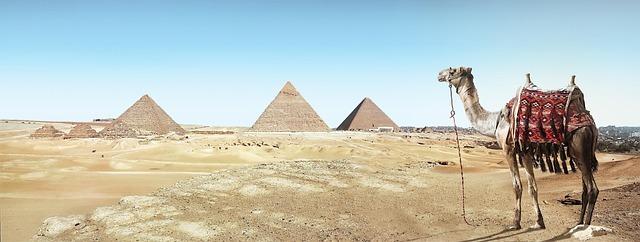
For most people, it’s the pyramids. Maybe the Sphinx. Endless desert and camels under a bright, warm sun. It’s the image we all grow up seeing, and it’s easy to assume that is the whole story.
That picture is powerful, and it’s not wrong. But once you visit Egypt as a family, you quickly realize there is so much more waiting to be discovered.
Egypt is not just a place you visit for photos. It is a place you experience together. It is full of history, culture, and everyday life that surrounds you in a way that feels real and immediate. For kids, it becomes more than sightseeing. It becomes a place full of questions, discovery, and moments that stay with them long after the trip is over.
It Starts With Curiosity
One of the first things you notice when traveling through Egypt with kids is how quickly their curiosity takes over.
As soon as they see the scale of the pyramids or walk through an ancient site, the questions begin. They want to know how things were built, who lived there, and what life was like so long ago.
- How did people move these stones?
- Why are there carvings everywhere?
- What do the symbols mean?
These questions turn the experience into something much deeper than just sightseeing. Instead of simply looking at landmarks, kids begin to engage with what they are seeing. They start to think, imagine, and connect ideas in a way that feels natural.
This curiosity is what makes Egypt such a powerful place to visit as a family. It encourages learning without feeling like a lesson.
History Feels Real Here
In many places, history is something you read about or see behind glass in a museum. In Egypt, it feels completely different.
You can walk through temples, stand inside ancient structures, and run your hands along walls that were carved thousands of years ago. These are not just exhibits. They are real places where people lived, worked, and believed in something meaningful.
For kids, this kind of experience makes history easier to understand. It is no longer just dates and names. It becomes something they can see and feel.
A simple activity can make this even more engaging for families. Ask your kids to pick a symbol or carving they notice during your visit. Have them guess what it might represent, and later, encourage them to draw it or talk about it. This turns a walk through a temple into a hands-on learning moment that they will remember.
These small interactions help bring history to life in a way that feels natural and meaningful.
The People Make It Special
While the ancient sites are unforgettable, many families find that the most meaningful moments come from everyday interactions.
Egypt is full of life, and that life is shaped by the people you meet along the way. You might be invited to sit and have tea, helped by a stranger when you feel lost, or simply greeted with a smile as you walk through a busy market.
These moments are simple, but they leave a lasting impression. They show kids what kindness and connection look like in a different part of the world.
They also create a contrast that is hard to ignore. On one side, you have ancient structures that feel almost timeless. On the other, you have modern life happening all around them.
For kids, this becomes an important lesson. They begin to understand that history is not separate from daily life. It is part of it.
Slow Down by the Nile
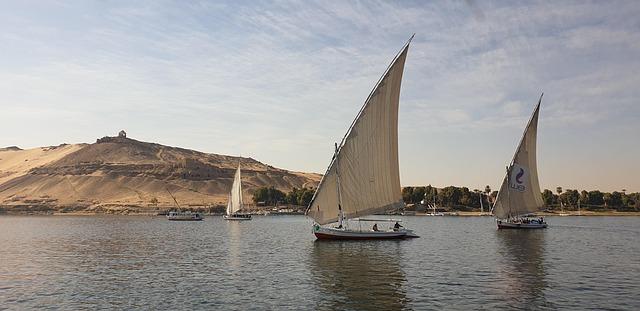
The Nile offers a completely different side of Egypt.
After exploring busy streets and historic sites, the river feels calm and steady. It moves slowly, and there is a quiet presence to it that helps everything else feel more balanced.
For families, this is a great opportunity to slow down and enjoy a peaceful moment together. Kids can watch the boats drift by, notice how people use the river, and ask questions about its role in Egyptian life.
It is also a chance to reflect on everything you have seen so far. The Nile has supported life for thousands of years, and standing by it helps put that into perspective.
These quieter moments are just as important as the busy ones. They give kids time to process what they are learning and help create a more complete experience.
Expect the Unexpected
Traveling in Egypt can feel different from what many families are used to.
It can be busy, loud, and sometimes a little overwhelming. There is a constant sense of movement, and not everything will go exactly as planned.
But this is also where some of the most valuable learning happens.
Kids learn how to adapt when things are unfamiliar. They learn to stay patient, to observe, and to be open to new experiences. These are skills that go far beyond travel and can stay with them for years.
Instead of seeing these moments as challenges, they can be seen as opportunities to grow. They help children build confidence and become more comfortable with the unknown.
Make It More Than a Checklist
It is easy to approach a trip like this with a list of places to see.
Visit the pyramids. Take photos. Move on to the next stop.
But Egypt is not a place that rewards rushing. It is a place that becomes more meaningful when you slow down and take your time.
Give your family space to explore each location. Let kids ask questions, look closely at details, and spend a few extra minutes taking everything in.
Even something like a luxury 10 day trip to Egypt can feel very different when you focus on connection instead of speed. It becomes less about how much you see and more about how deeply you experience it.
What Kids Really Take Away
Long after the trip is over, Egypt tends to stay with you.
For kids, the memories are not just about the landmarks. They are about the experiences and what they learned along the way.
They begin to understand how people live in different parts of the world. They see how history shapes the present. They learn to be curious and open to new ideas.
These lessons often show up later in unexpected ways. A conversation, a school project, or even a simple memory can bring it all back.
That is what makes this kind of travel so valuable. It creates lasting impressions that go beyond the trip itself.
Final Thoughts for Families
Egypt is more than the pyramids. It is a place where families can explore, learn, and grow together.
The landmarks are incredible, but the real value comes from the moments in between. The conversations, the questions, and the shared experiences all play a role in shaping how your family remembers the trip.
When you slow down and stay open to what is around you, Egypt becomes more than just a destination. It becomes a meaningful experience that brings learning to life in a way that feels natural and lasting.
And that is what makes it truly unforgettable.