Modern parenting often feels like a race against the clock where everything from time and money to resources needs to be carefully budgeted. There are lunches to pack, work schedules to manage, toys to clean up, and kids’ extracurriculars. It’s even worse when there’s illness or injury thrown into the mix!
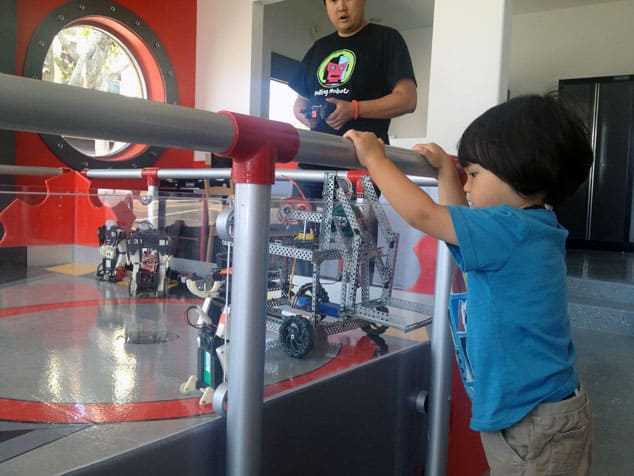
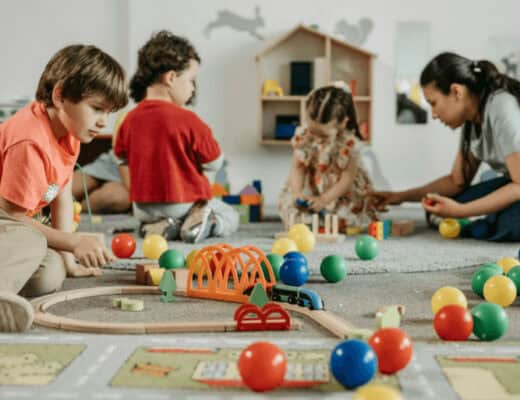
Many parents fall into routines that are built solely on convenience because a screen can keep kids occupied while parents handle tasks. Quick solutions start to seem like a “necessary evil”. However, some of the healthiest habits that families build don’t come from convenience but rather from slowing down and doing something together. Hands-on play is essential for healthy development as it helps children learn through action instead of just watching a screen.
How Hands-On Play Helps Build Healthy Habits in Kids and Parents
Hands-on play is so much more than just entertainment – it is the foundation of healthy habits. Whether you are building an indoor cardboard fort, creating art together or creating a small garden together, the magic is not in what gets made but the process of making it together. In this article, we will explore how hands-on play helps build healthy habits in both kids and parents.
Builds Patience and Focus
If you observe children with their devices, you will notice how quickly they switch to new videos. Most of the time, they don’t even wait for one to end before scrolling to the next. Hands-on projects do not offer instant results and instead, they teach kids that they need patience and focus to create something worthwhile.
All too often, parents are busy checking notifications on their phones while keeping an eye on their kids playing. Even though they are physically present, they are not mentally present. Hands-on play requires parents to be attentive and engaged, which creates a rare but much needed pause from multi-tasking. This is also an effective way to reduce screen time which has been linked to a long list of adverse effects on children’s health, including eye strain, poor sleep, difficulty focusing, increased anxiety or depression, and obesity.
Encourages Healthier Eating Habits
Hands-on play doesn’t need to be just about play and entertainment, it can also include simple chores like helping prepare food. Kids learn through touch, exploration and problem-solving, which is exactly what these experiences provide. Turning simple kitchen tasks into enjoyable learning and bonding time together also presents a good opportunity to discuss healthy eating habits with kids.
Building healthy eating habits at a young age is more important than ever before. Fast-food advertisements and bright packaging that is designed to grab the attention of kids and create cravings makes unhealthy options more desirable. Involving your kids in preparing meals gives them hands-on experiences that will build a healthy relationship with food. While things like chopping and frying are obviously not an option, even little ones can help with washing produce, sprinkling toppings or tearing salad leaves.
Supports Natural Movement
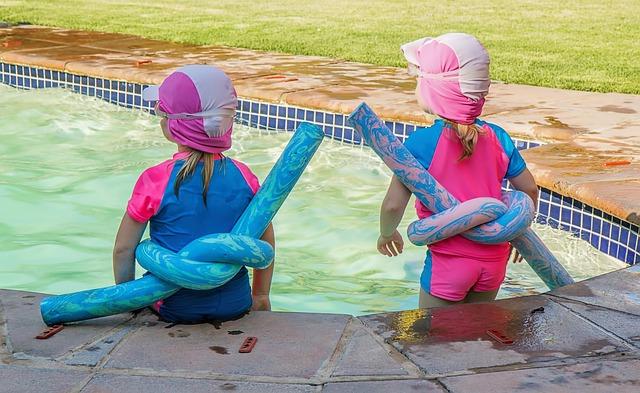
One of the biggest benefits of hands-on play is that it gets everyone moving. Whether it’s arts and crafts, gardening or building and construction, this kind of play requires both you and your child to move a lot without thinking of it as exercise.
Hands-on play is also great for parents. Modern life tends to have us living sedentary lives and playtime is a great motivation to get active. If you want to shed a few pounds so that you can keep up with your kid, you can use a weight loss calculator. This will help you set realistic weight loss goals that you can achieve through changes to your diet and lifestyle.
Builds Emotional Regulation
Hands-on play is a great way for kids to learn to manage their emotions in a healthy manner. Activities like painting or building with different materials require kids to slow down, which has a calming effect. Repetitive actions like stirring batter or painstakingly putting together a project helps a child learn to focus and feel grounded. This is also a great option when a child is feeling over stimulated or anxious as working with their hands creates a safe space to process their emotions and relax.
In time, kids begin to associate creative play with comfort and calmness and this makes it easier for them to use these activities to regulate their emotions. Simple projects such as creating a garden space as a family will create an exciting and connected environment where everyone decompresses together.
Builds Resilience through Failure
As adults, we tend to fear failure whether that is a project that does not go according to plan or choices we made that we now regret. This is where adults can learn from kids because children often find it easy to learn from failure. If the tower they are building falls over, they are quick to rebuild.
Hands-on play gives kids the chance to become resilient and strengthen this mindset of learning through failure. Every failure shows kids that mistakes are not the end but rather a part of learning. It also reminds parents that sometimes the best thing we can do is laugh, learn, and try again.