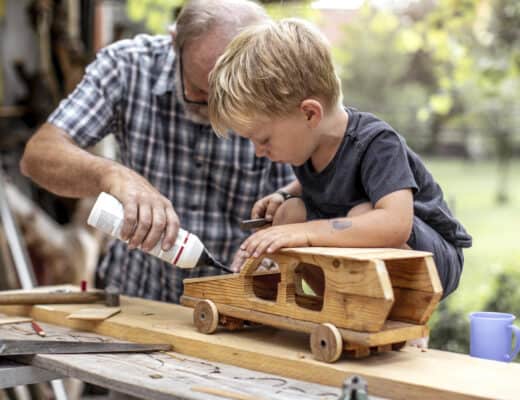
Kids don’t need a toolbox to help take care of the house. A few simple jobs, from wiping baseboards to pulling weeds, are enough to get them started. These home maintenance projects kids can help with give children a chance to learn useful skills while taking some work off their parents’ hands.
Some tasks are easy enough for younger kids, while others are better suited for teens. The trick is finding jobs they can handle safely and knowing which repairs to leave to professionals.
Easy Home Maintenance Tasks for Younger Kids
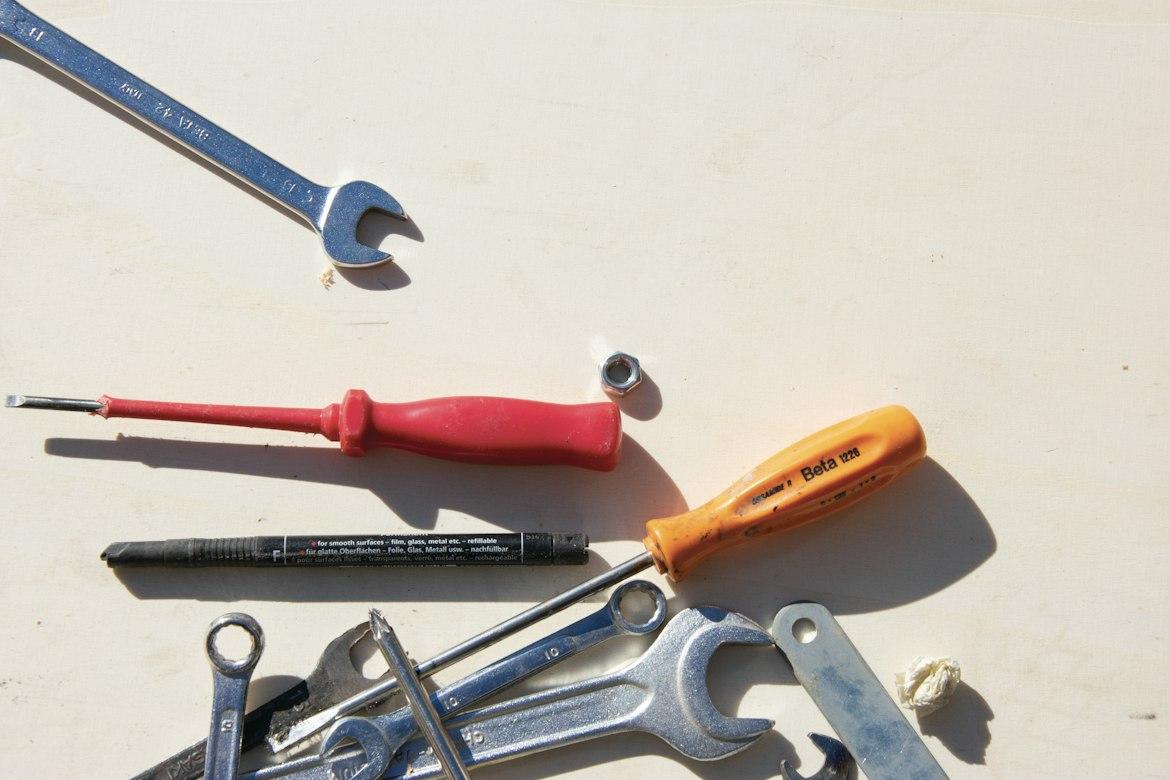
Young children can help with plenty of household chores without using complicated tools. Wiping baseboards, dusting low furniture, cleaning reachable windows, and organizing toy bins are good places to start.
Give kids their own cleaning cloth and a few baseboards to wipe. They’ll know exactly which part of the room they helped clean. For younger children, stick to water or mild, child-safe cleaning products.
Measuring is another fun skill to introduce. Hand your child a tape measure and ask them to check the width of a bookshelf or the space above a couch. Built by Kids also shares five tool skills kids can learn indoors, including using a tape measure, level, and screwdriver. Kids can even help mark where a picture frame should go, leaving the drilling and hanging to an adult.
Sorting laundry, wiping cabinet doors, and checking for loose handles are other easy jobs. Younger kids may need a little help getting started, but most can finish these tasks with basic instructions.
Outdoor Maintenance Projects Kids Can Help With
There’s usually something to do outside, especially if your family has a yard or garden. Pulling weeds, raking leaves, picking up small fallen branches, and spreading mulch are all jobs kids can help tackle.
Younger children can gather leaves into piles or collect weeds in a bucket. Older kids can help spread mulch around garden beds or carry lightweight bags of yard waste.
Gutter cleaning is another job where families can divide the work, although kids should stay firmly on the ground. An adult can handle the ladder and remove debris from the gutters. Once everything is safely on the ground, children can help rake up the mess and fill trash bags. Keep them away from ladders and spots where falling debris could land.
For families with gardens, checking plants for weeds or dry soil can become a regular weekend task. Kids can also help water plants and clear leaves from walkways.
DIY Home Projects for Older Kids
Older kids can do more than clean up after a project. They can help paint walls, assemble furniture, and tighten a loose cabinet handle.
A fresh layer of paint changes a room completely, making it an ideal family project for a weekend. Kids can move lightweight items, lay down drop cloths, and apply painter’s tape along baseboards. Older children can use a roller on open wall sections while adults handle the trim and harder-to-reach areas. Choose suitable low-VOC paint and keep the room well ventilated.
Flat-pack furniture is another option. Let kids sort the screws, match parts to the instruction sheet, and help assemble smaller pieces. Adults should handle heavy panels, power tools, and furniture that needs to be anchored to a wall.
Other simple fixes include tightening cabinet handles with a hand screwdriver, helping lubricate squeaky door hinges, or sweeping out the garage. Keep sharp tools, heavy objects, and hazardous materials out of reach.
Give older kids a specific part of the project to finish rather than having them watch from the sidelines.
Teach Kids to Spot Small Home Problems
Kids sometimes notice things adults overlook. A faucet that sprays water sideways, a cabinet door that won’t close, or an unusual sound from the air conditioner might catch their attention first.
Encourage children to mention these problems instead of trying to fix them on their own.
For example, checking beneath a sink for drips can help catch a small leak before it damages the cabinet. Kids can also point out loose handles, blocked air vents, or doors that scrape against the floor.
Heating and cooling systems offer a few simple teaching opportunities, too. Children can check whether toys or furniture are blocking vents. Older kids can help read the size printed on an HVAC air filter while an adult handles its replacement.
You can even make a short household checklist and walk through it together once a month. Have kids report anything unusual so an adult can decide what needs attention.
Home Repairs Best Left to Professionals
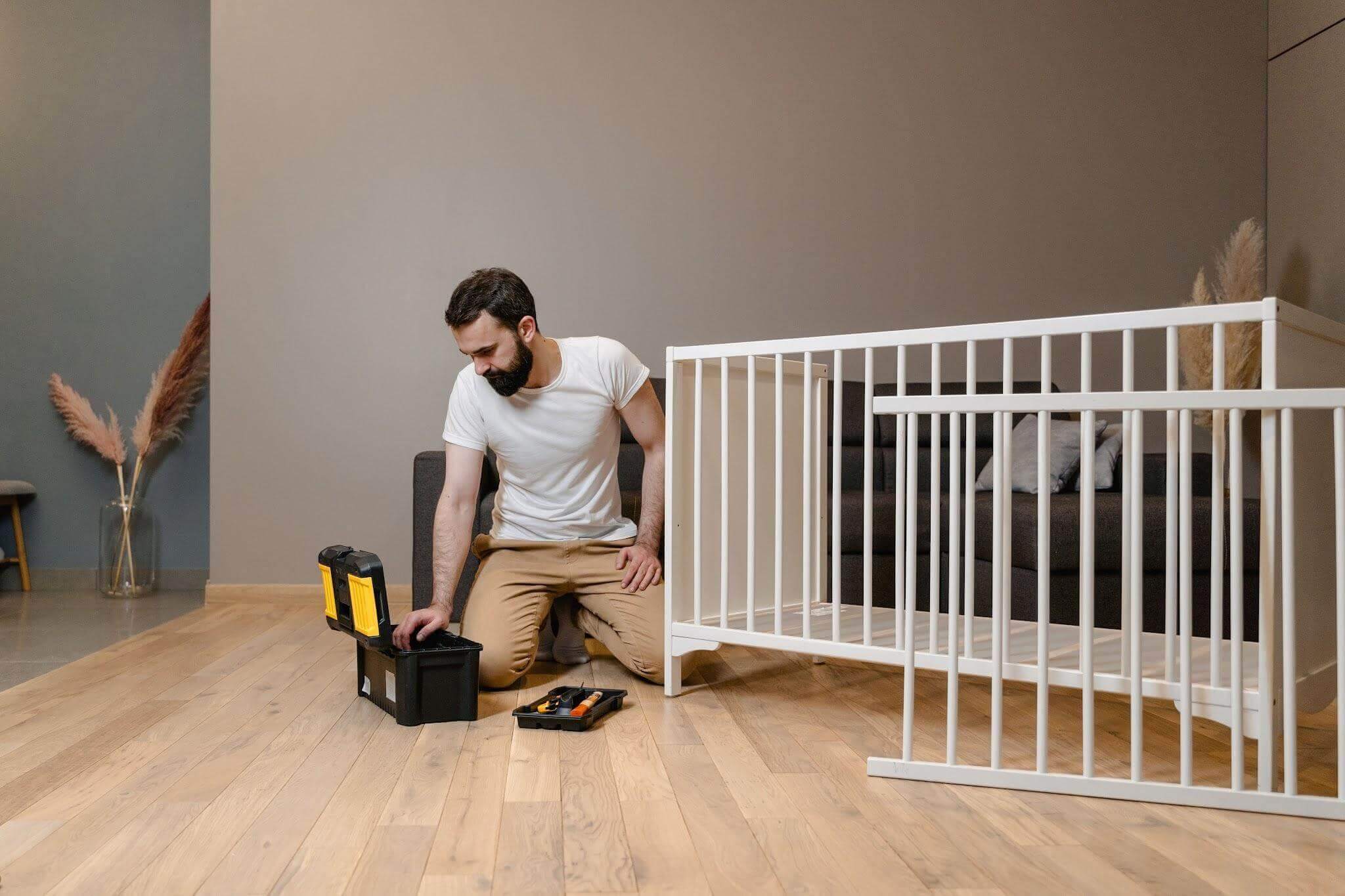
A loose cabinet handle is one thing. A sparking outlet or leaking gas line is another. Some repairs should never become family DIY projects.
Major plumbing repairs, electrical modifications, and structural work require the right training and equipment. Kids should stay away from exposed wiring, circuit breaker panels, gas lines, and damaged structural supports.
Cooling systems also have limits when it comes to DIY maintenance. Kids can help keep vents clear, but homeowners needing AC repair should contact trained HVAC technicians rather than attempting complex mechanical or electrical fixes. If the unit stops cooling, leaks water, or starts making unusual noises, a professional can identify the cause and recommend the proper repair.
Other problems that need expert attention include:
- Leaking water pipes or damaged plumbing fixtures
- Faulty wiring, sparking outlets, or persistent flickering lights
- Heating or cooling systems that stop working properly
- Cracked heat exchangers or suspected gas leaks
Heating equipment needs particular care. A cracked heat exchanger can allow carbon monoxide to enter the home, creating a serious health hazard. Install carbon monoxide alarms and have heating systems inspected by qualified technicians.
If you suspect a gas leak or carbon monoxide exposure, get everyone outside immediately. Call emergency services or the gas utility from a safe location rather than trying to locate or repair the problem yourself.
How to Keep Family Maintenance Projects Safe and Fun
Before starting a project, show kids which tools they’re allowed to use and explain what they should leave alone. Make sure they know to ask before picking up anything unfamiliar.
Keep the work manageable, especially for younger children. A ten-minute cleaning task may be plenty for a five-year-old, while an older child might enjoy spending an afternoon helping paint a room.
Simple games can make routine chores more interesting. See who can sort a basket of laundry first, have kids measure different pieces of furniture, or challenge them to collect leaves from a small section of the yard.
Let children work at their own pace. A crooked strip of painter’s tape or a few missed leaves isn’t a big deal. You can show them how to improve their work without taking over the entire task.
Most importantly, stay nearby when tools are involved and choose projects that match each child’s age and abilities.
Start With One Small Project
You don’t need to plan a major renovation to get kids involved in home maintenance. Start with something simple this weekend. Let them measure a shelf, pull weeds from a garden bed, or help prepare a wall for painting.
As they get comfortable with smaller jobs, introduce new tasks they can safely handle. Leave electrical, plumbing, HVAC, and other hazardous repairs to trained professionals.
There’s almost always something around the house that kids can help with, and even the smallest job gives them a chance to learn by doing.