
Creating an eco-friendly bedroom can be a fun project for the whole family. From refreshing old furniture to choosing breathable bedding, small changes can make your child’s space more comfortable while reducing waste.
You don’t need to buy everything new or spend a lot of money. Many sustainable bedroom upgrades involve reusing what you already own, making simple decorations, and choosing materials that last.
Best of all, your child can help along the way. Working together gives them a chance to learn practical skills, express their creativity, and understand how everyday choices affect the environment.
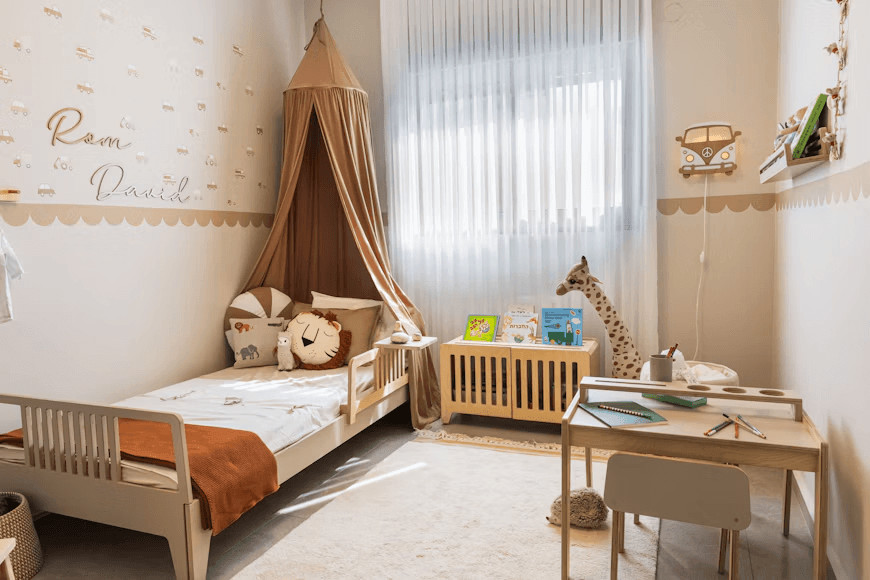
Why Should Families Rethink Synthetic Bedding Materials?
Many kids’ bedding products contain polyester and nylon, which come from petroleum-based materials. These fabrics are often affordable and durable, but some can hold onto heat and moisture, especially when used in thick bedding.
Children who get too warm at night may toss and turn or wake up feeling uncomfortable. Trapped sweat can also irritate sensitive skin, particularly in children who are prone to eczema.
Synthetic fabrics can shed tiny plastic fibers during washing and everyday use. These particles, known as microplastics, can end up in household dust and the wider environment. Researchers are still studying their potential effects on human health.
Natural fabrics such as cotton and linen offer alternatives worth considering. Depending on their weave and thickness, they can provide good airflow and help keep your child comfortable throughout the night.
You can turn bedding shopping into a learning activity. Let your child compare different fabric samples and talk about where the materials come from. It’s a simple way to introduce the idea of making thoughtful choices.
How Can Families Choose Better Temperature-Regulating Layers?
A comfortable bed starts with choosing materials that help your child stay at a pleasant temperature throughout the night.
When exploring breathable, thoughtfully made bedding, options such as duvets from Panda London can be worth considering. Check the filling, fabric construction, and warmth rating to find a duvet that suits your child’s needs. Some plant-based materials can help manage moisture and provide comfortable insulation.
Layering also makes it easier to adjust bedding as the seasons change. A lightweight cotton sheet paired with a breathable duvet cover gives your child flexibility on warmer and cooler nights.
Invite your child to help choose their bedding. Lay out a few fabric samples and ask which ones feel soft, smooth, or comfortable. Older children can also help compare product labels and learn what different materials mean.
Look for recognized textile certifications when shopping. For example, OEKO-TEX STANDARD 100 indicates that a textile has been tested for specified harmful substances. Certifications can help families make informed decisions, although they don’t mean a product is completely chemical-free.
Choosing bedding together helps children understand that comfort, quality, and sustainability can all play a role in everyday purchases.
What Makes Closed-Loop Plant Fibers Different?
Plant-based textiles offer another way to make more sustainable choices. Bamboo, for example, grows quickly and can be harvested without replanting the entire crop. However, its environmental impact depends on how it is grown and processed.
Many bamboo bedding products use viscose, which requires chemical processing to turn plant material into soft fabric. Some manufacturers use closed-loop systems that recover and reuse processing chemicals and water, helping reduce waste.
It’s worth checking how a product is made rather than relying on the word “bamboo” alone.
Bamboo-derived fabrics can feel smooth against the skin. Depending on their construction, they may also help manage moisture, making them a comfortable option for children who tend to get warm at night.
Families can explore organic cotton, linen, and other responsibly sourced materials, too. Each has different benefits when it comes to comfort, durability, and care.
To make this topic more interesting for kids, gather a few fabric samples and let them examine the textures. Ask them to sort the materials by softness, thickness, or how they feel against their skin.
This simple activity encourages curiosity while helping children learn that everyday objects come from different natural and manufactured sources.
How Do You Improve Indoor Air Quality in a Kids’ Bedroom?
Creating a comfortable bedroom involves more than choosing the right bedding. Paint, furniture, cleaning products, and household dust can all affect indoor air quality.
The American Academy of Pediatrics encourages families to reduce children’s exposure to indoor environmental pollutants. Limiting potential sources of pollution is an important part of maintaining healthier indoor spaces.
When updating your child’s bedroom, consider low-VOC paints and furniture made with low-emission materials. Some pressed-wood products contain adhesives that release formaldehyde, so checking product labels and emissions certifications can help.
However, you don’t need to replace furniture that’s still in good condition. Reusing existing pieces can reduce waste and save money. If you need another piece of furniture, look secondhand before buying new. Thrift stores, hand-me-downs, and community swaps can be good places to find sturdy wood dressers and bookcases. Air pieces out before bringing them into the bedroom, and check older painted furniture carefully.
According to the CDC, vintage and antique furniture may contain lead. Keep painted pieces away from children unless you’re sure they’re lead-free, and avoid sanding or scraping paint that might contain lead. Your child can come along to help pick out safe pieces worth rescuing.
An old wooden shelf, for example, might only need cleaning, a few repairs, or a fresh coat of suitable low-VOC paint. Older children can help choose colors, plan the design, and decorate the finished piece while adults handle tools and painting tasks that require extra care.
Good ventilation also helps maintain indoor air quality. Open windows when outdoor air is clean and weather conditions allow. On days with heavy traffic pollution or smoke, keeping windows closed may be the better option.
Regular dusting and vacuuming can also reduce dust buildup. Give children simple, age-appropriate cleaning tasks so they can help care for their space. Floors and rugs are worth a look as well. Carpets and rugs can trap dust, and some new carpets and backing materials may release chemicals into the air.
Natural-fiber rugs, such as wool or cotton, are one option, and a washable rug is easier to keep clean. When buying new carpeting, look for the Carpet and Rug Institute’s Green Label Plus certification, which identifies products tested for low chemical emissions. If you already have a rug in good condition, regular vacuuming and good ventilation can help keep dust under control.
Hands-On Ways to Create an Eco-Friendly Kids’ Bedroom Together
Making a bedroom more eco-friendly is a great opportunity to teach children about caring for the environment. When kids help make decisions and complete small projects, they’re more likely to appreciate their belongings and take care of their space.
You can turn bedroom updates into simple family activities that are both useful and enjoyable.
- Clear out clutter: Sort through old toys, books, and clothes together. Donate items that are still in good condition instead of throwing them away. Let your child help decide what they no longer use.
- Select organic textiles: Let your child feel different fabric swatches and choose their favorite textures. Talk about why durable, responsibly made materials can be a good choice.
- Refresh old furniture: Give an existing shelf or bedside table a new look. Children can sketch design ideas, choose colors, or decorate removable panels while adults handle repairs and painting.
- Make recycled wall art: Use clean cardboard, leftover paper, and other safe craft materials to create colorful artwork. Frame the finished pieces using frames you already own.
- Create reusable storage: Turn a sturdy cardboard box into a toy organizer. Let your child decorate it with leftover wrapping paper, drawings, or stickers.
- Tend bedroom greenery: If the room gets enough natural light, choose an easy-care, child-safe indoor plant. Let your child help with watering and basic care.
For a simple weekend project, try making a personalized storage box together. Start with a clean, sturdy box and gather leftover craft supplies. Ask your child to plan the design before decorating the outside.
Once it’s finished, let them decide whether to use it for books, art supplies, or small toys.
This activity gives an everyday item a second purpose while helping children practice planning, creativity, and organization.
Keep projects age-appropriate and supervise activities involving scissors, paint, or tools. Younger children can help with sorting and decorating, while older kids can take on more detailed tasks.
These shared projects help children build confidence and learn useful skills. They also make the bedroom feel more personal because your child helped create it.
Keep Eco-Friendly Bedrooms Fresh and Resilient
Sustainable bedding and furniture should be practical for everyday family life. Children spill drinks, bring toys into bed, and sometimes need extra bedding changes. Choosing durable, easy-care materials can save time and reduce the need for frequent replacements.
Look for bedding with clear washing instructions and strong stitching. Well-made cotton, linen, and other quality textiles can last for years when cared for properly.
Wash your child’s bedding according to the care label, using a gentle detergent that suits their skin. Fragrance-free options may be helpful for children with sensitive skin.
You can also skip fabric softeners and scented dryer sheets if they’re unnecessary. Some products leave coatings on fabrics or contain fragrances that may irritate sensitive skin.
When possible, line-dry bedding to save energy. Outdoor drying can work well in suitable weather, although families dealing with high pollen levels may prefer indoor drying. Lighting is an easy upgrade, too. LED bulbs use less energy than older bulbs and last longer, so there is less to replace. Warm, dimmable bedside lights can also make bedtime feel calmer. Let your child pick a lamp you already own for their room, and teach them to switch lights off when they leave.
Children can take part in these routines, too. Younger kids can help sort laundry by color, while older children can learn to read care labels, fold bedding, and organize their storage spaces.
Encourage your child to look after the items you’ve made or chosen together. Repairing a loose seam, cleaning a storage box, or caring for a decorated shelf helps them understand why maintaining belongings matters.
As your child grows, choose items that can adapt to changing needs. Adjustable storage, sturdy furniture, and versatile bedding can remain useful even as their interests change.
Buying fewer, better-made items and caring for what you already own helps reduce household waste over time.
Create a Greener Bedroom, One Step at a Time
An eco-friendly kids’ bedroom doesn’t need to be perfect or expensive. Small changes, such as choosing breathable bedding, reusing furniture, and making decorations from leftover materials, can make a meaningful difference.
Start with a project your child will enjoy. You might organize their toys, decorate an old shelf, or choose new bedding together. Each activity gives them a chance to learn practical skills while making their room more comfortable and personal.
By working as a family, you can create a welcoming bedroom that reflects your child’s creativity, encourages sustainable habits, and gives them a space they’ll enjoy for years to come.