
Summer is the perfect time for family road trips. It’s a great way to bond with family on a shared adventure. However, even family road trips come with certain challenges.
Changing weather, such as rain, snow, or strong winds, and varying driving conditions can lead to unexpected delays and long hours on the road. Keeping children comfortable and entertained is an additional challenge. Even minor problems can lead to driver fatigue and general dissatisfaction among passengers. Fortunately, careful planning can eliminate some worries and even provide comfort during the trip.
What Are All Weather Tires?
If you’re planning a cross-country road trip, choosing all weather tires can significantly reduce your worries about road conditions. All weather tires are designed to work year-round without needing to swap them seasonally. While all season tires are the most common choice because of their ability to handle dry, wet, and light winter conditions well, all weather tires are recommended for driving in unpredictable weather.
This is because they have a 3PMSF (Three-Peak Mountain Snowflake) mark, meaning they are not only certified for use in winter conditions but also provide good warm-weather performance. All weather tires are great for traveling through different climates with fluctuating temperatures and moderate winter conditions.
Why All Weather Tires Can Be Useful for Family Road Trips
Maybe your family lives in an area that occasionally experiences winter weather, or you simply get an itch to pack up and get away for a weekend; all weather tires give you the freedom to leave home regardless of the weather. Their ability to provide excellent traction in both warm summers and cold winters makes them highly versatile and allows them to perform extremely well in changing weather conditions.
Most drivers prefer the convenience of using a single tire set throughout the year. And even though all season tires are designed to handle a variety of weather conditions, they simply cannot offer proper traction on snow and ice.
How to Check Your Tires Before a Road Trip
One of the worst-case scenarios is getting into an accident while on a family road trip. Aside from possible injuries and stress, it’s one of the worst reasons to arrive late at your destination. Thankfully, there are plenty of precautions to take to avoid complications with your tires on the road.
Before you pack up your car, check the following on your tires:
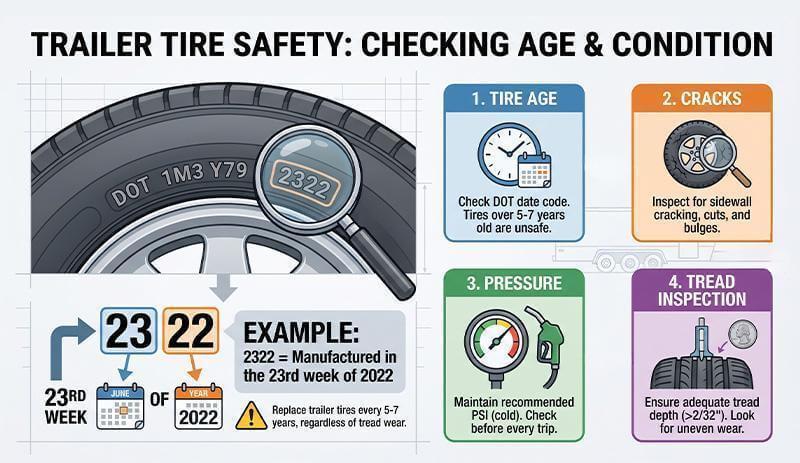
- Look for any visible signs of damage like cuts, cracks, punctures, or bulges – a damaged tire will not get you far, and it’s unsafe to drive with one.
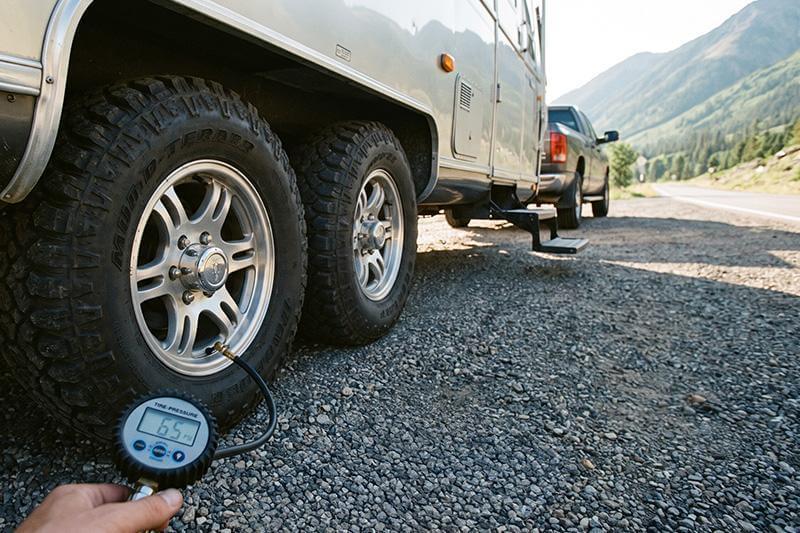
- Check the tire pressure when the tires are cold – if the tires are not cold, the tire gauge will read the pressure incorrectly.
- Always follow the vehicle manufacturer’s recommended tire pressure – check the owner manual or look for the information in the driver-side door jamb for the recommended pressure.
- Inspect the tread – if the tread is at or under 4/32 of an inch deep, it’s time for a replacement.
- Check for uneven wear – uneven tread wear indicates tires need alignment correction.
- Inspect the spare tire – when checking on regular tires, always check the spare one too; it needs to be in top condition.
- Have a professional check questionable tires – if you’re not sure if the tires are in good condition for a trip, have a professional inspect them.
Other Ways to Prepare the Car for a Family Road Trip
Inspecting your tires is only one aspect of ensuring your vehicle is in good condition. Before you secure the child safety seats, fasten your luggage, and check the emergency supplies, take a few basic steps to make sure the car is ready for a safe trip.
Test the brakes by checking if the pedal feels firm and make sure the car doesn’t pull to one side when you brake. Listen for any squealing or grinding noises when braking. Test if all lights work properly by turning on the ignition and walking around the vehicle. To evaluate the brake and reverse lights, get a helper or use a camera.
Examine the fluids such as coolant, brake fluid, and windshield washer fluid. Check and change the oil if necessary. When checking the windshield washer fluid, also take a look at whether the wipers are working. Don’t forget to clean the windows, mirrors, and lights for better visibility. While you are at the windshield, check the glass itself for chips. A small chip spreads into a full crack under the temperature swings of a long highway drive, and on most vehicles built after 2018 the windshield also holds the forward-facing camera that runs lane departure warning and automatic emergency braking. “If that glass has been replaced and the camera was never recalibrated afterward, the safety systems are working from misaligned data, and nothing on the dashboard tells you,” says a spokesperson for Auto Glass Zone. Booking an ADAS calibration check before a long trip deserves the same attention as the tire inspection above.
Last but not least, inspect the battery. Look for the sticker to confirm the battery’s age; it typically lasts 3 to 5 years, and if it’s over 4 years old, it’s best to replace it before a trip. Check the terminals, inspect the casing, and wiggle the cables.
You can also do the “headlight test” by turning on the headlights with the engine off, leaving them on for 2 to 3 minutes, and checking the beam’s brightness against a wall or garage door. If the lights dim before starting, or get much brighter before the engine turns over, the battery is holding a weak charge.
Make Long Drives More Comfortable for Kids and Parents

Photo: Unsplash
A long drive can feel even longer with restless kids, but thankfully, there are ways to make road trips easier for everyone. Make sure that frequently needed items, like snacks, water, and entertainment, are readily accessible. Pre-plan some activities and games by downloading podcasts or audiobooks, and rotate them during the drive to keep things interesting.
Don’t forget to schedule regular breaks.
This will give the kids the opportunity to stretch, and the driver will feel less pressure to maintain a rigorous schedule. Not only can you take snack and rest breaks, but you can also incorporate stops at historical sites and national parks, which can be both fun and educational.
Adjust Your Driving When Weather Changes
Even though you’ve planned your trip carefully and ensured your tires and the rest of the vehicle are in good condition for the road, there are still precautions to take while driving. Keep in mind that driving conditions change with the weather, so be especially careful on wet or slippery roads. Increase the following distance and reduce speed when necessary.
Remember to check the forecast and road conditions before you leave your home. If you feel uncomfortable driving in certain weather conditions, you can always delay your trip or modify your route.
Final Thoughts: Prepare Your Summer Tires, Then Enjoy the Journey
Everyone wishes for a stress-free journey, and that’s possible with careful preparation and planning. Keep in mind the conditions you’ll be driving in when you check your tires and prepare your vehicle. Make separate lists for packing, rest stops, and vehicle pre-trip maintenance. Avoid placing pressure on yourself by making a strict schedule and time frame.
Instead, give yourself some extra time to make the trip more interesting and enjoyable, and prioritize safety over arriving quickly. Don’t forget that the little ones need frequent breaks and entertainment. Now that you know how to prepare for a road trip efficiently, pack your bags, load up your car, and start a new adventure.