Cruising through Europe’s legendary waterways offers families an unmatched opportunity to combine cultural exploration with the ease of traveling by vessel.
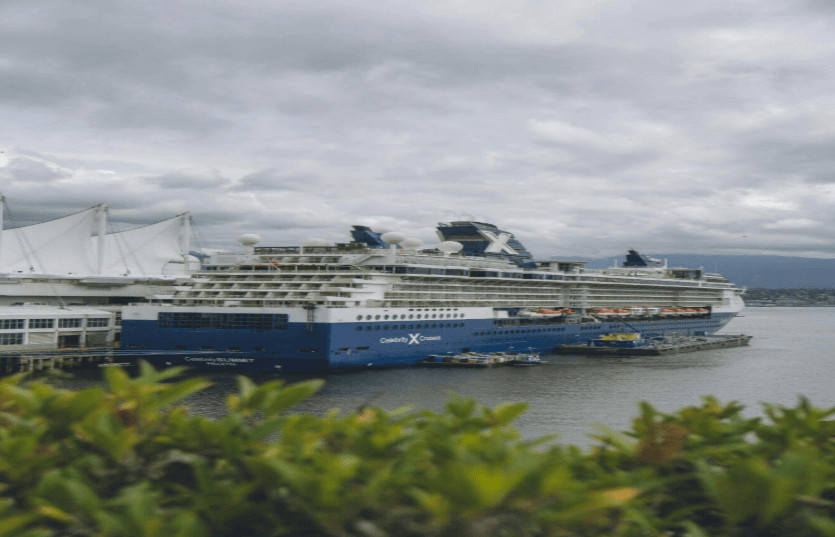
Photo by Hamed Naji on Unsplash
Unlike traditional ocean cruises, river sailings navigate intimate channels that wind through the continent’s historic heartland, allowing young travelers to experience multiple destinations without the constant upheaval of packing and unpacking. The compact nature of these journeys creates a gentle rhythm perfectly suited for families seeking educational enrichment alongside genuine adventure.
River itineraries introduce children to a living classroom where history unfolds along medieval riverbanks and beneath castle-crowned hillsides.
Research shows that children who traveled regularly had above-average grades, higher educational attainment, and 12% higher than average incomes
later in life. The immersive nature of Europe cruises positions young minds at the intersection of discovery and comfort, where each port presents fresh perspectives on art, architecture, and centuries of human achievement.
Kid-Friendly Stops on European River Sailings
The carefully curated ports along European river routes transform abstract classroom lessons into tangible experiences.
Key Ports of Call
Amsterdam, Netherlands
Amsterdam stands as an exemplary first stop, where canal-laced streets and world-class museums create an approachable introduction to Dutch culture. Young visitors gravitate toward interactive science exhibits, while the city’s bicycle-friendly infrastructure allows families to explore at a manageable pace. The compact urban layout means cultural landmarks remain within easy walking distance, eliminating the exhaustion that often accompanies metropolitan sightseeing.
Vienna, Austria
Vienna emerges as another compelling destination for families navigating the Danube. The Austrian capital balances imperial grandeur with welcoming green spaces, offering children room to decompress between palace tours and music halls.
Travel enhances higher-level thinking in children and fosters problem-solving, creativity, and analytical thinking, which are crucial skills for personal and academic growth. The city’s rich musical heritage becomes accessible through family-oriented performances, where even restless youngsters find themselves captivated by the same concert halls that once hosted Mozart and Beethoven.
Budapest, Hungary
Budapest presents a different flavor of Central European charm, where thermal baths provide unexpected entertainment for children accustomed to traditional swimming pools. The dramatic architecture spanning both sides of the Danube creates a visual spectacle that captures young imaginations, while the city’s compact historic quarter allows for manageable exploration.
Strategies for Engaging Young Minds
Play-based learning and travel stimulate children’s minds by boosting their creativity and imagination, and both can also help develop social and emotional skills and encourage language development.
Engaging children during cultural excursions requires intentional planning that balances structured activities with spontaneous discovery. Family road trips share many principles with river sailing, where the journey itself becomes as meaningful as the destinations. Interactive scavenger hunts transform museum visits into detective missions, while allowing children to photograph their favorite artworks creates personal connections to cultural treasures.
Exposure to a nurturing environment can facilitate neuronal growth and refinement, and music, exercise, rest, healthy food, and calm, ordered environments are important to foster critical thinking and socialization.
Exploring Historic German and French Cities
Cologne, Germany
Cologne’s towering Gothic cathedral offers an architectural wonder that resonates with children through sheer scale and intricate detail. The Rhine River city combines medieval history with modern accessibility, featuring riverside promenades ideal for evening strolls when energy levels naturally dip. Local chocolate museums and hands-on craft workshops provide tactile learning opportunities that complement the visual grandeur of historic landmarks.
Nuremberg, Germany
Nuremberg introduces families to medieval fortifications and artisan traditions through its exceptionally preserved old town. The city’s toy museum speaks directly to young visitors, showcasing centuries of craftsmanship in a format that bridges generational gaps. Child development research increasingly recognizes how exposure to diverse cultural environments during early childhood contributes to cognitive flexibility and social awareness.
The Wachau Valley, Austria
The Wachau Valley segment of the Danube presents vineyards and apricot orchards in a pastoral setting that offers respite from urban intensity. Children respond positively to the natural beauty and manageable hiking trails that wind through terraced hillsides. Small villages maintain authentic character without overwhelming sensory input, creating ideal conditions for families to engage meaningfully with local culture at a comfortable pace.
Regensburg, Germany
Regensburg’s stone bridge and medieval streetscapes transport visitors to another era while maintaining the practical amenities modern families require. The Bavarian city’s compact size makes independent exploration feasible even with young children, while its position along the Danube creates natural opportunities for riverside recreation. Cultural exposure benefits demonstrates how enriching environments during developmental years shape neural pathways and cognitive capabilities.
Strasbourg, France
Strasbourg straddles French and German influences, offering a unique cultural synthesis that introduces children to the concept of regional identity within a broader European context. The city’s pedestrian-friendly core and distinctive half-timbered architecture create a storybook setting that appeals to imaginative young minds. Educational travel research from educational institutions confirms that vacation experiences contribute measurably to children’s intellectual development through experiential learning.
Passau, Germany
Passau’s position at the confluence of three rivers creates geographic intrigue that captivates curious minds. The German border town combines Baroque elegance with alpine proximity, offering varied terrain and cultural influences within a single compact destination. Organ concerts in the cathedral provide age-appropriate cultural exposure, where even brief attendance leaves lasting impressions on young listeners.
The Onboard Experience and Life on the River
The journey itself becomes a classroom as vessels glide past landscapes that have witnessed centuries of European history.
Children may recall facts about landmarks years later, and investing in travel is a down payment on developing a true citizen of the world. Onboard educators often provide context for passing sights, transforming passive observation into active learning that complements shore excursions.
Balancing Exploration and Rest
Maintaining engagement throughout multi-day sailings requires flexibility and realistic expectations about attention spans. Mixing active exploration with quieter moments allows children to process new experiences without becoming overwhelmed. Early morning departures from port create opportunities to observe daily life in each city, offering authentic glimpses beyond typical tourist corridors.
Evening hours onboard provide valuable family time where the day’s discoveries become conversation topics. Encouraging children to journal or sketch their experiences creates lasting records that deepen retention and provide future reference points. The contained environment of a river vessel eliminates logistical complications, allowing parents to focus on facilitation rather than coordination.
A Framework for Cultural Immersion
European river sailings ultimately deliver cultural immersion within a framework that respects the realities of traveling with children. The predictable daily rhythm, combined with ever-changing backdrops, strikes an ideal balance between stability and stimulation. Each port introduces fresh perspectives while the vessel remains a consistent home base, creating conditions where young travelers can truly absorb the richness of European heritage.