
Moving is stressful for anyone, but for a family it is a whole different project. Kids feel the upheaval, budgets stretch, and a hundred small tasks pile up at once. Handled well, though, a move can become something the whole family tackles together rather than dreads.
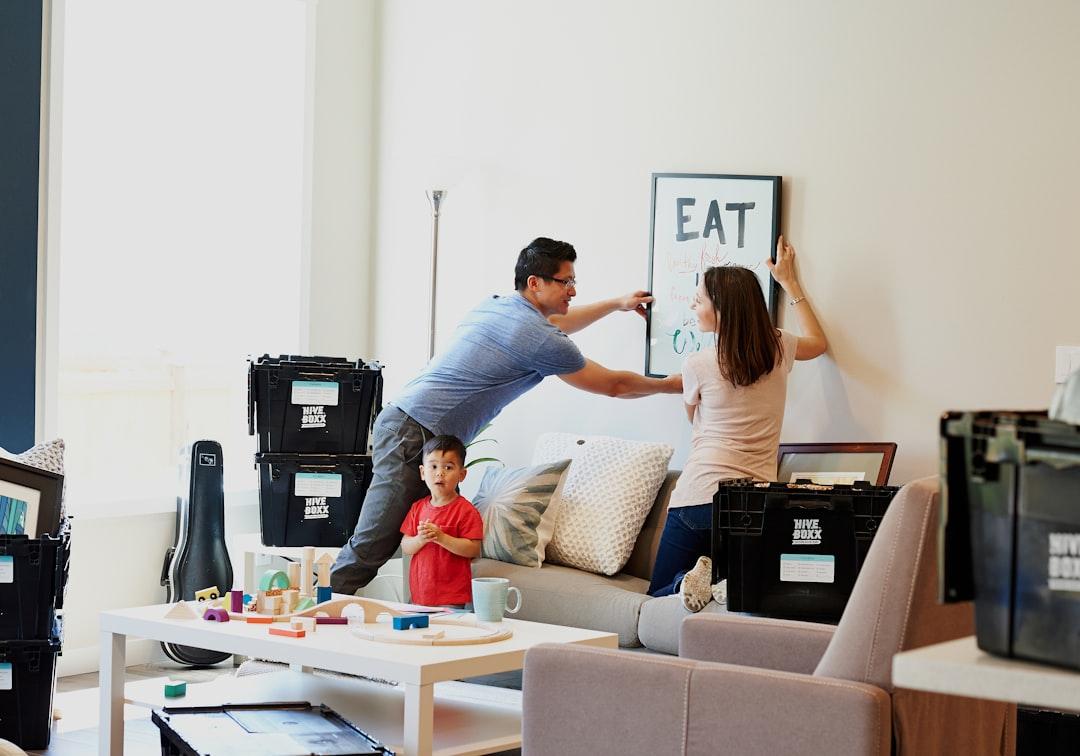
Alt text: A family packing moving boxes at home
The secret is planning early and openly. Getting your estimated moving costs locked in from the start keeps the household budget calm and predictable. This guide covers why families move, how to prepare the kids, and how to keep the whole thing manageable.
Why Do Families Move So Often?
More than you might think. Moving is common.
The average American moves around 11 times in a lifetime, and families often relocate for space, schools, or work. Housing and family reasons top the list in Census research on why families move. Job relocations, growing families, and better school districts drive many of these moves. Knowing your own reason helps you plan the right move.
The point is normalcy. Moving is a routine part of family life.
How Do You Prepare Kids for a Move?
With honesty and time. Kids need warning.
Tell children early and let them ask questions. Practical advice on helping children cope can guide those conversations. Older kids may worry about friendships, so acknowledge that loss openly. Involving kids in small choices gives them a sense of control.
The rule is inclusion. A move feels safer when kids help.
How Do You Pick the Right New Home?
By matching it to family life. Fit beats flash.

Photo by Vitaly Gariev on Unsplash
Alt text: A child carrying a cardboard moving box
Look for space, safety, and a workable location before anything else. It helps to focus on what matters most to children when choosing a family home. Think about commute times, nearby parks, and how the space will grow with your children. A home that suits your routines pays off every single day.
The lesson is fit. Choose for how you actually live.
Does Layout Matter for Families?
Enormously. Flow shapes daily life.
A smart family home layout keeps busy households running smoothly. Open sight lines, storage, and a mudroom all help. Small design choices ease the daily chaos of family life.
How Do You Keep the Budget Calm?
By pricing everything early. Surprises break budgets.
List every cost, from movers to setup fees, before you commit. Gather at least 3 written estimates and add a 10 to 15 percent buffer for surprises. A complete budget turns a stressful move into a controlled one.
The rule is foresight. Plan the whole cost, not just the truck.
What Steps Make Moving Day Smoother?
A little prep goes far. Structure beats scramble.
The moves that keep the day calm are these 5:
- Pack a kid kit. Snacks, toys, and comfort items.
- Label clearly. Mark boxes by room and priority.
- Confirm the crew. Reconfirm movers the day before.
- Plan meals. Line up easy food for the day.
- Set up beds first. Everyone sleeps well that night.
Each step lowers the chaos. Together they keep moving day human.
Key Points to Keep In Mind
- Families move often, usually for space, schools, or work.
- Tell kids early and involve them in small choices.
- Choose a home for fit and daily routine, not flash.
- Layout and storage ease the chaos of family life.
- Price the full move and add a 10 to 15 percent buffer.
- Prep a kid kit and set up beds first on moving day.
A Move the Whole Family Can Handle
A family move does not have to be a season of stress. When you plan the budget early, prepare the kids with honesty, and choose a home that fits how you live, the whole thing becomes manageable. Bring the children into the process, keep the numbers clear from the start, and lean on help where it makes sense. Every family adapts at its own pace, so give yourselves plenty of grace along the way. Do that, and moving day becomes the start of something good rather than just a scramble to survive.
Frequently Asked Questions
How Do I Help My Kids Adjust to a Move?
Start by telling them early and honestly, and give them room to share their feelings. Involve them in small decisions, like choosing paint or arranging their new room, to build a sense of control. Keep familiar routines going during the transition, and set up their bedroom first so they have a comfortable space right away. Patience and reassurance matter most, since children often need time to settle in.
How Far Ahead Should I Budget for a Move?
As early as you can, ideally as soon as the move looks likely. Early budgeting lets you gather several written estimates, compare options, and avoid rushed, costly decisions. List every expense, from movers and supplies to setup fees at the new home, and add a 10 to 15 percent buffer for surprises. The sooner you see the full picture, the calmer the whole process feels.
What Is the Best Way to Get an Accurate Moving Quote?
Give movers a realistic inventory of everything you plan to take, and request written estimates rather than quick verbal ones. Confirm what is included and how any extra fees work. Comparing a few detailed quotes gives you a dependable range to plan around. An estimate built on honest details is far more reliable than a rough guess, and it protects your budget from surprises.
How Do I Keep Moving Day Calm With Kids?
Preparation is everything. Pack a small kit of snacks, toys, and comfort items to keep children occupied. Arrange a sitter or a quiet activity zone if possible, and keep meals simple. Label boxes clearly so essentials are easy to find, and set up the kids’ beds first. A little structure turns a chaotic day into a manageable one for the whole family.