There is a strange kind of energy that arrives before a baby does. One minute you are folding tiny sleepsuits like a calm, organised adult.
The next, you are standing in the hallway wondering whether the linen cupboard has always been this chaotic or if it recently became personally rude.
Preparing for a baby is not only about buying things. In fact, too much buying can make your home feel more stressed, not less.
The real win is setting up your space so daily life becomes easier when your hands are full, your sleep is broken, and the washing machine seems to run as a permanent background sound.
You do not need a perfect nursery. You need smart systems, safer spaces, and a home that works with you.
Start With the Spaces You Use Every Day
Before you touch paint colours or cot sheets, look at the places you already move through without thinking.
Your bedroom. The bathroom. The kitchen. The laundry area. The spot where keys, bags, and mail mysteriously pile up.
These are the areas that matter most once a baby arrives.
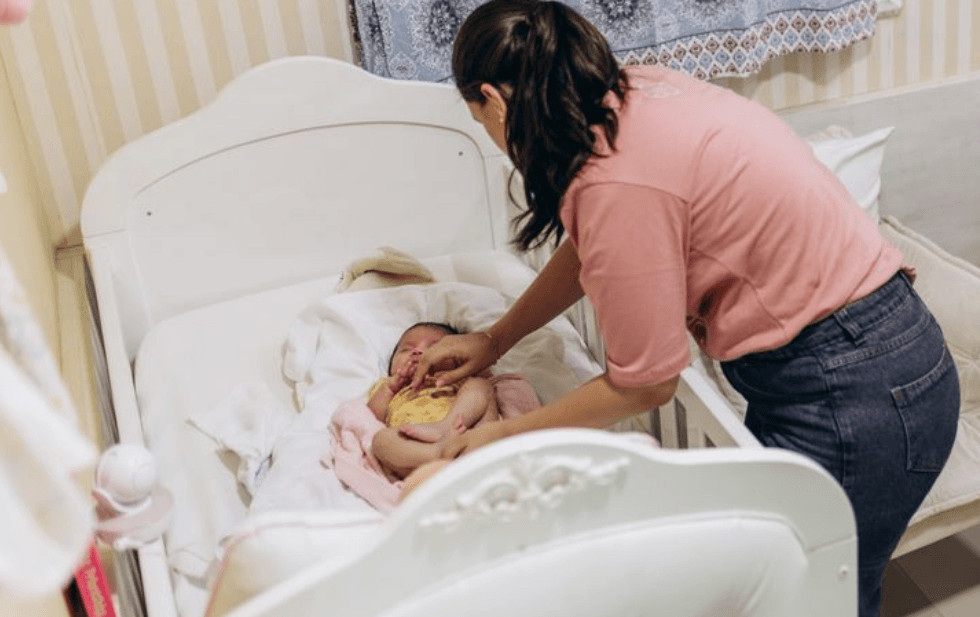
If your bedroom will host the baby for the first few months, make space beside your bed now. Not a giant redesign. Just enough room for a bassinet, night light, nappies, wipes, water bottle, burp cloths, and a place to put your phone safely out of reach.
In the bathroom, think about function. Where will baby towels go? Where will you keep gentle wash products? Can you reach clean clothes without carrying a slippery baby across the room? Small details matter because tired people do not enjoy hunting for things.
The goal is not to make your home look like a magazine. The goal is to reduce tiny daily frustrations before they start collecting interest.
Make the Nursery Useful, Not Just Pretty
A beautiful nursery is lovely. A useful nursery is a gift to your future self.
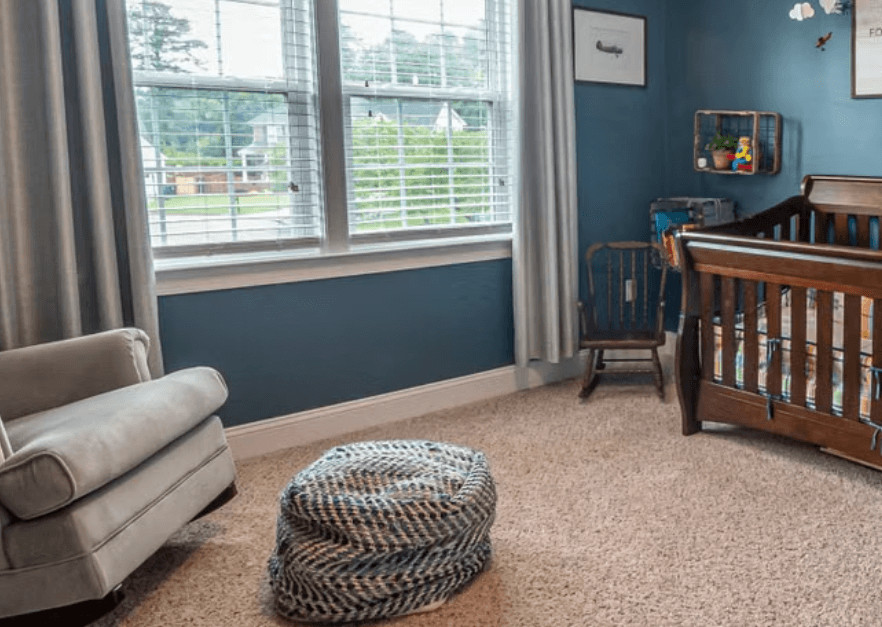
Start with zones. One zone for sleep. One for changing. One for feeding or cuddling. One for storage. When each area has a job, the room becomes easier to manage.
For the changing station, keep the essentials within arm’s reach, but not where little hands can grab them later.
Nappies, wipes, cream, spare onesies, and a lidded bin should all have a clear place. You do not want to open three drawers while dealing with a dramatic nappy situation at 2 a.m.
For storage, think in stages. Newborn clothes in the easiest drawer. Bigger sizes packed away but labelled. Blankets together. Muslins together. Medicines and grooming items in a separate container.
If everything has a home now, you will not end up with a mystery pile of baby items that nobody understands.
And be honest about decor. Babies do not care whether the rug matches the wall art. They care about comfort, safety, and your presence.
Choose pieces that can grow with them, not items you will have to replace before their first birthday.
Sort the Messy Zones Before Sleep Gets Rare
Every home has a few problem areas. The cupboard that attacks when opened. The kitchen drawer full of batteries, takeaway menus, and something that might be a curtain hook.
The laundry corner where odd socks go to start a new life.
Deal with those zones before the baby arrives.
Not because you suddenly need to become a minimalist. Because clutter steals time. And when a newborn is in the house, time is not a casual resource. It is gold.
Start with one area per weekend. Clear it, sort it, and only put back what earns its place. In the kitchen, make room for bottles, sterilising items, snacks, and quick meals.
In the laundry, create a system for baby clothes, stained items, and clean folding. Near the front door, set up a small leaving-the-house station with nappies, wipes, spare clothes, sunscreen, hats, or whatever your season requires.
You are not organizing for aesthetics. You are organizing for speed.
Safety Checks That Deserve a Weekend
Some baby prep can wait. Safety should not.
Walk through your home slowly and look at it like someone who has never lived there before. Loose cords. Wobbly furniture. Sharp corners. Heavy objects on high shelves. Cleaning products under the sink. Blind cords. Pet bowls. Slippery rugs. Open plug points.
Newborns are not crawling yet, but they grow fast. Faster than your brain will believe. Anchoring furniture, checking smoke alarms, securing cords, and moving chemicals to locked or high storage are jobs worth doing early.
Also, check the practical adult safety items. Is your first-aid kit stocked? Do you know where the thermometer is? Are emergency numbers saved and visible? Is the car seat installed correctly before the hospital bag is packed? These are not dramatic tasks, but they create calm.
A safer home does not happen in one panicked afternoon. It is built through small, sensible decisions.
A Simple Timeline for Parents Who Love a List
A list can turn the baby countdown from a foggy panic into something you can actually manage.
Early on, focus on bigger decisions. Sleeping space, car seat, essential furniture, and any repairs that create dust, paint fumes, or disruption.
If you want to repaint, assemble furniture, or fix flooring, do it well before the final stretch.
In the middle stage, move to systems. Wash and sort baby clothes. Set up the changing area. Clear kitchen space. Prepare documents. Look at your budget. Start planning meals you can freeze.
Closer to the end, keep it gentle. Pack the hospital bag. Install the car seat. Charge devices. Put fresh sheets on the bed. Stock the bathroom.
Make sure there is easy food in the house. This is not the time to begin a garage makeover or argue with a flat-pack wardrobe.
A pregnancy due date calculator can be a helpful tool here because it gives you a clearer window to plan around. It is not about obsessing over one exact day. Babies have their own schedules. It is about giving yourself structure so the important jobs are not left until you are exhausted, uncomfortable, and suddenly very aware of every unfinished corner.
Build a Feeding Station Before You Need One
Whether you plan to breastfeed, bottle-feed, combo-feed, or see how things go, create a feeding station.
This does not need to be fancy. A comfortable chair, water bottle, snacks, burp cloths, muslins, a phone charger, nipple cream if needed, and a small bin can make a big difference.
If your home has more than one level, consider a mini version upstairs and downstairs.
Night feeds feel less overwhelming when you are not searching for supplies in the dark. Day feeds feel easier when you have somewhere to sit that supports your back and arms.
Again, this is the theme: do small things now so future-you have fewer problems to solve.
Leave Room for the Beautiful Chaos
Here is the truth people do not always say clearly enough: you will not use everything the way you imagined. Some baby items will become favourites. Others will sit untouched.
A routine that works for one week may fall apart the next. That does not mean you failed. It means you are living with a tiny human, not managing a spreadsheet.
So leave some room. Empty baskets are useful. Flexible storage is useful. A sense of humour is very useful.
The best preparation is not about controlling every detail. It is about making your home kinder to live in. Easier to move through. Safer to explore. Calmer to return to after appointments, visitors, and long nights.
Your baby does not need perfection. Your baby needs care, warmth, and people who are not completely buried under stuff they meant to sort out months ago.
Start with one cupboard. One corner. One weekend. The countdown has begun, but you do not have to race it. Build the kind of home that helps you breathe when life gets wonderfully loud.