Small homes can feel crowded fast, especially with kids. Toys pile up. Projects spread out. Everyone wants space at the same time. But raising adventurous kids does not require a big house.
With a few smart routines and simple DIY setups, even a small apartment or home can become a place where kids build, explore, and learn real skills.
Small Spaces Encourage Big Imagination
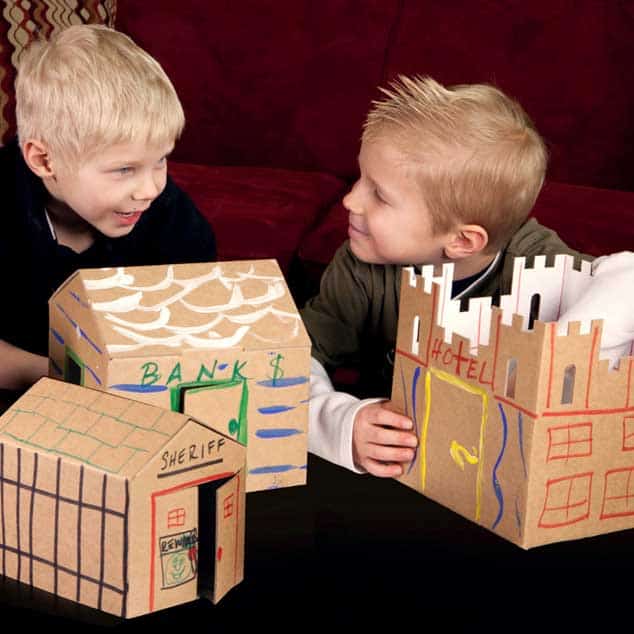
Kids do not need a huge playroom to play well. Often, fewer choices lead to deeper play. A small set of “open-ended” supplies can create hours of fun.
Keep a simple project bin with:
- Cardboard
- Painter’s tape
- Markers
- Paper
- String
- Recycled containers
Kids can turn couch cushions into mountains, tape into roads, and a corner of the room into a fort. When they build and take things down often, they also practice problem-solving and flexibility.
Make One Space Do More Than One Job
In a small home, each area needs a second purpose. The dining table can be a build station. The hallway can be a mini obstacle course. A bedroom corner can be a reading nook.
A few tools make switching easier:
- A folding table or lap desk for projects
- A rolling cart for supplies
- Stackable bins that slide under a bed or sofa
- A drop cloth or large mat for quick cleanup
This also teaches kids a useful life skill: how to reset a space after using it.
Create a “Build Zone” That Packs Away
You can build a kid-friendly maker space without a full workshop. The goal is simple: a place where kids can create, and a system for putting it away.
Try this easy setup:
- One bin for tools (scissors, glue, ruler, tape)
- One bin for building materials (cardboard, craft sticks, cups)
- One folder for paper and templates
- One small tray for “today’s project” parts
When everything has a home, kids can start projects faster and clean up with less arguing.
Bring Adventure Outside
If indoor space is limited, outdoor space matters more. A walk, a local park, or even a small yard can become an adventure.
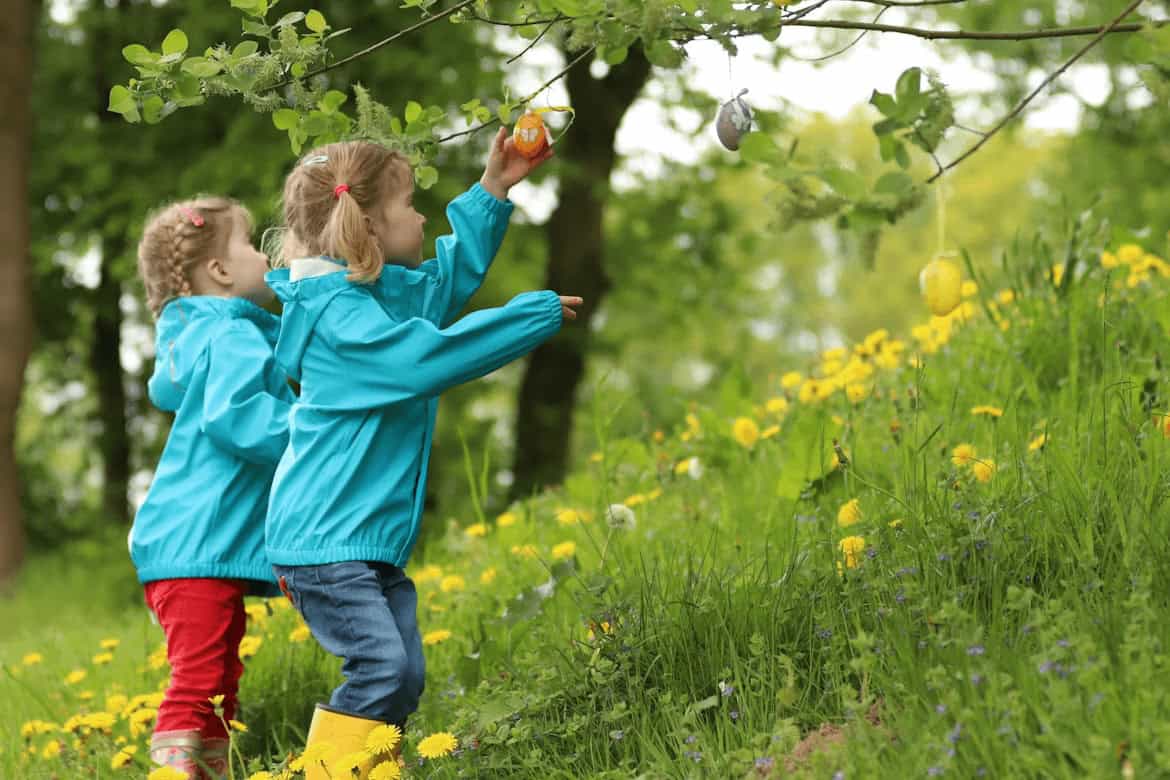
Turn a regular outing into a simple challenge:
- Go on a shape hunt (circles, squares, triangles)
- Collect five different leaves and compare them at home
- Build a tiny nature collage using sticks and petals
- Measure how far a paper airplane flies in an open area
These small adventures lead to big learning without adding clutter at home.
Teaching Kids To Share And Coexist
Many families live in shared or multi-generational housing, or adjust their space as needs change. Kids growing up in these environments often develop strong social awareness early on.
They learn how to respect quiet zones, negotiate playtime, and adapt their activities to the people around them. These experiences help kids build empathy and communication skills especially important in dense urban settings.
For families who are new to the city or adjusting their living setup, finding the right home arrangement can make a big difference. Platforms that offer flexible housing options, such as roommate-friendly apartments or family-suitable shared homes, can help parents find listings in NYC that fit their lifestyle without requiring a long-term commitment or oversized space.
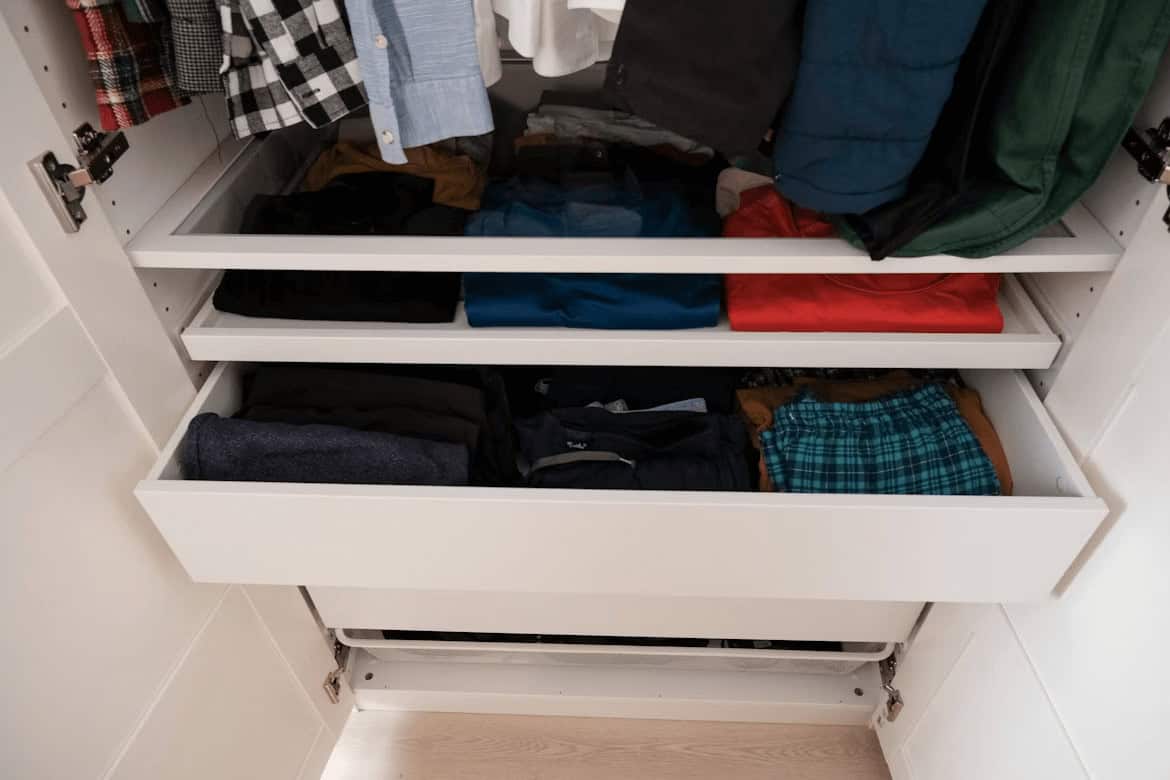
Storage Kids Can Use
When kids can reach their own supplies, they can work more independently.
Try:
- Low shelves
- Clear bins
- Picture labels for younger kids
- A simple rotation system (store half the toys, swap every few weeks)
Kids who help set up the system are more likely to follow it.
Embracing The City As A Classroom
One of the biggest advantages of raising kids in NYC is access to museums, libraries, cultural festivals, street performers, and public art. Families who live small often compensate by living wide, using the city as an extension of their home.
Free museum days become hands-on history lessons. Library trips double as quiet-time retreats. Summer brings street fairs, outdoor movies, and pop-up activities that keep kids engaged without adding clutter to the apartment.
This lifestyle teaches kids that fun doesn’t always come from things—it comes from experiences, exploration, and curiosity.
Small Space, Strong Family Connection
When families share limited space, they also share more time. Meals happen together. Projects are collaborative. Conversations are harder to avoid and often richer because of it.
Without separate playrooms or isolated corners, families naturally connect more throughout the day. Parents become more aware of how their kids play, what they’re interested in, and where they might need support or encouragement.
In many ways, small-space living strips life down to what matters most: creativity, connection, and adaptability.
Raising Adventurous Kids Anywhere
NYC apartments may be small, but the lives built inside them can be anything but. With a little creativity, limited space becomes a tool rather than a barrier encouraging kids to imagine more, explore further, and engage deeply with the world around them.
Raising adventurous kids isn’t about the size of your home. It’s about the mindset you bring to it and in New York City, that mindset is everywhere.