
Creating a safer home begins with practical improvements that address real risks without disrupting daily life. Parents often focus on projects such as securing cabinets, upgrading windows, reinforcing stairways, anchoring furniture, and improving electrical safety to create a dependable environment for their children. Homes in Richmond, Virginia, reflect a mix of historic character and modern updates, which makes safety planning especially important.
Older properties may include original wood windows, narrow staircases, and dated fixtures that require thoughtful upgrades. Families who understand how their homes are built can make informed decisions that strengthen protection while maintaining comfort and style.
Secure Cabinets and Drawers with Reliable Hardware
Kitchens and bathrooms contain many of the hazards children naturally gravitate toward. Cleaning supplies, sharp utensils, medications, and small objects often sit behind doors that are easy to open. Installing magnetic locks or concealed latches creates a barrier that keeps dangerous items out of reach while preserving the appearance of your cabinetry. Soft-close hinges add another layer of safety by preventing pinched fingers during everyday use.
Lower cabinets deserve special attention because they sit directly at a child’s eye level. Take time to kneel and assess what is visible and accessible. That simple shift in perspective often reveals overlooked risks.

Upgrade Windows for Safety and Efficiency
Windows shape airflow, natural light, and comfort, yet outdated units can create safety concerns. Loose locks, deteriorating frames, and wide opening ranges increase the risk of falls and injuries. Parents should evaluate window height, latch strength, and overall stability in rooms where children spend time.
Professional support makes this process far more reliable. Partnering with a reliable window replacement company in Richmond, VA allows parents to connect with professionals who understand proper installation standards, modern safety features, and long-term performance expectations. Experienced installers can recommend tempered glass, reinforced locking systems, and controlled opening mechanisms designed to reduce hazards. Updated windows also improve insulation, which supports consistent indoor temperatures and reduces drafts that affect comfort.
Reinforce Electrical Outlets and Manage Cords
Electrical safety often goes unnoticed until a child begins crawling or exploring independently. Exposed outlets and loose cords quickly become points of curiosity. Installing tamper-resistant outlets in bedrooms, playrooms, and living areas significantly reduces the chance of electrical contact. Outlet covers offer additional protection in spaces where upgrades are not yet complete.
Cord management plays an equally important role. Power strips placed on the floor invite pulling and chewing. Securing cords behind furniture and keeping charging stations elevated helps reduce both tripping and electrical hazards. Take time to inspect extension cords and replace any that show signs of wear. Consistent monitoring ensures that small issues do not develop into larger concerns.
Strengthen Stairways and Bathroom Surfaces
Staircases and bathrooms present daily risks due to hard surfaces and frequent movement. Installing sturdy safety gates at the top and bottom of stairways prevents unsupervised access. Hardware-mounted gates provide dependable stability in high-traffic areas. Handrails should feel secure and comfortable to grip for both adults and older children.
Bathrooms require equal attention. Non-slip mats in bathtubs and on tiled floors reduce the likelihood of slipping. Check that towel bars and fixtures are anchored firmly to the wall since children often use them for support. Simple adjustments create a safer space without sacrificing convenience.
Anchor Heavy Furniture and Wall-Mounted Items
Children naturally climb, pull, and test their surroundings. Dressers, bookshelves, and storage cabinets can tip if left unsecured. Anchoring heavy furniture to wall studs with anti-tip brackets prevents dangerous accidents. Mount televisions properly rather than placing them on unstable stands. Rearranging décor items so that heavier pieces sit lower also reduces risk.
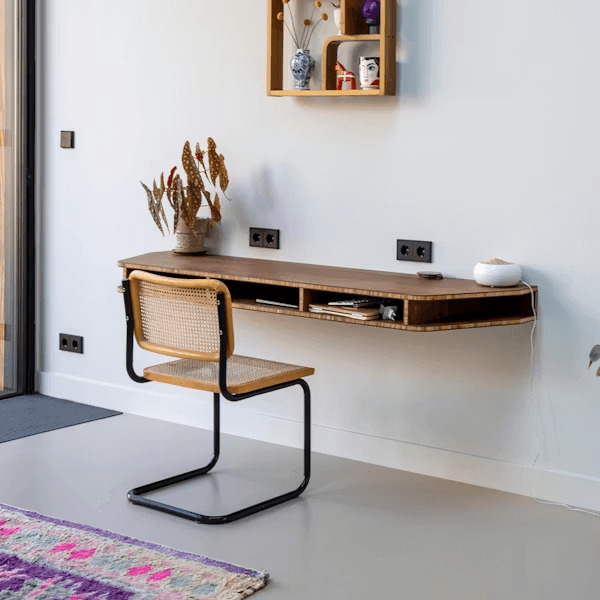
Take a room-by-room approach when evaluating stability. Push gently against larger items to confirm they remain steady. Small preventive steps protect children during active play and provide lasting peace of mind for parents.
Store Hazardous Materials with Clear Boundaries
Household cleaners, medications, and sharp tools require consistent storage routines that leave little room for error. Clear boundaries begin with location. Place chemicals and prescription bottles in locked cabinets positioned well above countertop height. Child-resistant caps offer support, yet they should never replace secure storage. Organization plays an important role here. Keep similar items grouped and labeled clearly so you can access what you need without leaving cabinets open longer than necessary.
Routine checks strengthen this system. Review expiration dates, dispose of unused medications properly, and confirm that locks function as intended. Garage shelves and laundry rooms deserve the same level of attention since they often store strong chemicals and tools.
Improve Outdoor Areas and Entry Points
Outdoor spaces invite exploration, which makes defined boundaries essential. Secure fencing around yards creates a safe perimeter that limits access to streets and neighboring properties. Gates should close and latch automatically to reduce the chance of being left open. Driveways also deserve attention, especially in homes where children play near parked vehicles.
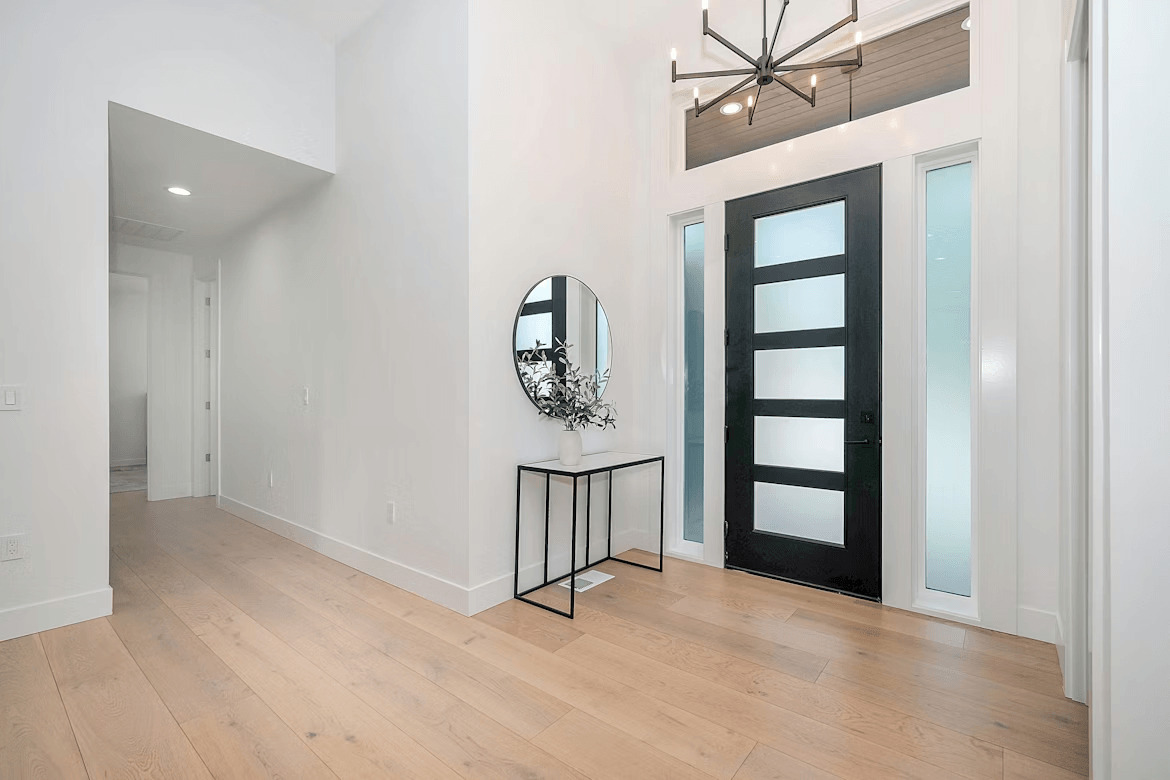
Entry points require similar consideration. Reinforced door locks and door knob covers prevent unsupervised exits. Motion lighting near entrances improves visibility during early evenings and cloudy days. Visibility works in both directions. Parents supervising children in the yard are usually doing it through a window, and glass carrying a season of accumulated grime cuts sightlines more than most people notice. “Homeowners tend to treat exterior window cleaning as cosmetic until they try to watch a child at the far end of the yard through it,” says a spokesperson for Winducks, a Calgary window cleaning company. “Mineral deposits and pollen film scatter light rather than blocking it outright, and on an overcast afternoon that difference is significant.” Keeping ground-floor and rear-facing glass clear is a low-cost supervision upgrade that pairs naturally with the physical boundaries above. Families who invest time in securing exterior spaces create an environment where children can enjoy fresh air without constant restriction.
Integrate Smart Technology for Real-Time Monitoring
Smart home technology offers practical tools that support active supervision. Video monitors in nurseries and playrooms provide a clear view without interrupting a child’s rest or independent play. Door and window sensors send alerts when access points open unexpectedly. That immediate feedback helps parents respond quickly when curiosity leads a child toward restricted areas.
Security cameras positioned near primary entrances add another layer of awareness. Systems that connect to mobile devices allow parents to stay informed while moving between rooms or stepping outside briefly. Technology works best when combined with physical safeguards rather than replacing them.
Childproofing a home involves steady improvements that reflect how children grow and interact with their surroundings. Thoughtful upgrades to storage areas, outdoor boundaries, and monitoring systems strengthen the protective framework established inside the home.
Each project builds upon the next, creating a layered strategy that feels natural and manageable. Families who approach safety with intention gain confidence in their environment while preserving comfort and style. A well-prepared home supports exploration, learning, and everyday living without unnecessary risk.