Moving near the University of Arizona can feel simple at first. Find an apartment, pack your stuff, show up before classes start. In practice, the best move depends on where your classes are, how you’ll get around Tucson, what kind of study routine you need, and how much of your life has to fit into one bedroom. This guide walks students through the practical choices that matter before move-in day.
Start With Your Daily Campus Routine
Before comparing apartments, map out what a normal weekday will look like. A place that seems close on a map can feel inconvenient if your classes, labs, work shifts, and grocery trips all point in different directions.
The University of Arizona campus sits in a busy part of central Tucson, with student housing spread across areas like West University, North University, Sam Hughes, Iron Horse, and neighborhoods farther north or east. A student with most classes near the Main Library may judge distance differently from someone spending long afternoons in lab buildings, health sciences facilities, or off-campus work.
Think in terms of time, not just miles. A 15-minute walk may be ideal in October but less appealing during hotter months or after a late study session. A short bike ride may work well if your building has secure bike storage. A drive may seem convenient until you factor in parking permits, traffic around campus, and the cost of keeping a car in Tucson.
A useful test is to pick three places you’ll visit often: your main classroom area, a grocery store, and a quiet study spot. If the apartment works for all three, it’s probably a stronger fit than one that only looks good because it’s close to campus.

Choose Housing Based on Fit, Not Just Distance
Students often focus on being as close to campus as possible, but the best location depends on your schedule and personality. Some students want the energy of a busy neighborhood. Others need quiet streets, easier parking, or a layout that supports long study sessions.
If you’re comparing apartments near the University of Arizona, look closely at what “near campus” means. A property west of campus may be convenient for students who want access to university buildings, Fourth Avenue, and downtown Tucson. A place east or north of campus may feel calmer but could require more planning for transportation.
This is where it helps to compare off-campus housing by daily use, not just rent price. Ask whether you can realistically get to class without rushing, whether the area feels manageable at night, and whether the building setup matches how you live. For example, a cheaper apartment may cost more in time and stress if it turns every grocery run or group project meeting into a commute.
Also look beyond the bedroom. Students who cook often need real kitchen storage. Students with early classes may care more about noise control than a larger living room. If you’ll have roommates, pay attention to bathroom access, shared storage, and whether the floor plan gives everyone enough privacy to study and sleep.
Plan Your Transportation Before You Pack
Transportation should shape your housing decision early. Tucson is spread out, and campus-area parking can be competitive. If you bring a car, check whether your apartment includes parking, whether street parking requires a permit, and whether campus parking makes sense for your schedule.
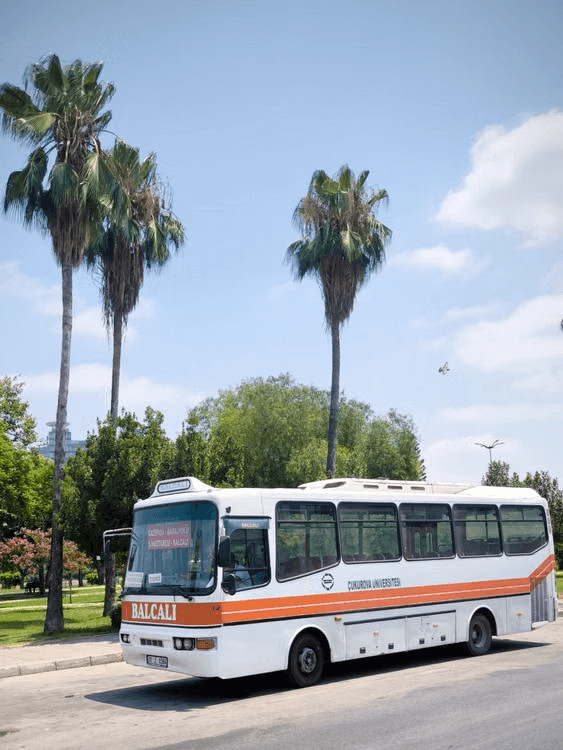
Students who plan to bike should look for safe storage, not just bike racks outside. Tucson’s sun can be hard on tires, seats, and cables, and theft is always a concern in high-traffic student areas. A building with covered or controlled bike storage can make daily riding much easier.
The University of Arizona’s Parking & Transportation Services offers information on campus options, including Cat Tran, parking permits, and bicycle resources through its official Parking & Transportation Services site. Review those options before choosing a lease, because your transportation plan may affect which neighborhood feels practical.
If you don’t plan to bring a car, test the basics before signing. Can you reach groceries without a long ride-share bill? Is there a bus route nearby? Can you walk home safely from evening classes or library sessions? A car-free setup can work well near campus, but it works best when the apartment location supports it from the start.
Make a Move-In Plan Around Tucson’s Real Conditions
A student move is different from a standard household move. You’re often working around lease start dates, orientation, class registration, bookstore trips, roommate arrivals, and family travel schedules. The more you leave until move-in weekend, the harder it gets.
Start with the building rules. Some apartments require elevator reservations, parking instructions, move-in windows, or proof of renter’s insurance before you can receive keys. Ask about these details early. It’s much easier to solve a paperwork issue a week before arrival than while your car is loaded and your roommate is waiting outside.
Tucson weather also matters. Moving in August is physically different from moving in a cooler month. Plan heavy lifting for the morning if possible, keep water easy to reach, and avoid packing essentials in random boxes. A small “first night” bag should include chargers, medication, toiletries, bedding, a towel, basic tools, and clothes for the next day.
Label boxes by function, not just room. “Desk setup,” “kitchen first week,” and “bathroom now” are more useful than “miscellaneous.” Many students move into smaller spaces than they’re used to, so unpacking quickly depends on knowing what matters first.
If you’re moving from out of state, be realistic about what should travel with you. Large furniture, extra décor, duplicate kitchen items, and seasonal clothing can take up space you may not have. In many cases, it’s easier to bring the essentials and add items once you understand the apartment.
Set Up the Apartment for Study, Sleep, and Shared Living
Once you arrive, resist the urge to decorate before you organize. A student apartment has to support several jobs at once: sleeping, studying, eating, relaxing, and sometimes hosting friends or group projects. If the layout doesn’t work, the space will feel messy even when it’s clean.
Start with your study zone. This doesn’t have to be a full desk if your room is small, but it should be consistent. Good lighting, a comfortable chair, a power strip, and a place for notebooks can make a big difference. If you’ll study mostly on campus, create a small landing area at home for your backpack, laptop charger, and class materials so you’re not searching for them every morning.
Then think about sleep. Campus life can be loud, and shared apartments add another layer of noise. Curtains, a fan, earplugs, and clear roommate expectations can help more than expensive décor. If you have early classes, talk about quiet hours before the first stressful week of exams.
For shared spaces, decide what belongs to everyone and what doesn’t. Dishes, cleaning supplies, trash bags, and pantry shelves can become tension points when no one talks about them. A simple agreement about chores and shared purchases can prevent bigger problems later.
Storage is another common issue. Student apartments rarely have unlimited closet space. Use under-bed bins, vertical shelves, and hooks where allowed. Keep only what you’ll actually use during the semester. The less clutter you bring, the easier it is to reset the apartment when school gets busy.
Budget for the Costs That Show Up After Move-In
Rent is only one part of moving near the University of Arizona. Students also need to plan for utilities, internet, laundry, parking, renters insurance, groceries, furniture, and small setup costs. These smaller expenses can feel manageable one at a time, but they add up quickly during the first month.
Before signing a lease, ask what’s included. Some rentals include water or trash but not electricity. Some have in-unit laundry, while others require paid laundry rooms. Some have furnished options, while others require you to bring everything from a mattress to a shower curtain.
Create a first-month budget that includes move-in purchases. Cleaning supplies, kitchen basics, hangers, a desk lamp, extension cords, and basic tools are easy to forget. You don’t need to buy everything at once, but you should know what you’ll need immediately.
Roommates should also discuss shared costs before move-in. Decide how you’ll split internet, utilities, and household supplies. Put the agreement in writing, even if it’s just a shared note. Clear expectations protect friendships when bills arrive during midterms.
Visit the Area Like You Already Live There
If you can visit before moving, don’t just tour the apartment. Walk the route to campus. Check the nearest grocery option. Notice street lighting, traffic noise, parking signs, and how the neighborhood feels at different times of day.
A daytime tour may not show what it’s like to come home after an evening class. A quiet street in May may feel different when students return in August. You don’t need to overanalyze every detail, but you should gather enough information to picture your actual routine.
If you can’t visit in person, use a video tour and ask specific questions. Where do residents park? How do packages get delivered? Is there secure bike storage? What internet providers serve the building? Are there move-in restrictions? Specific questions get better answers than “Is this a good place for students?”
The goal isn’t to find a perfect apartment. It’s to avoid surprises that make the semester harder than it needs to be.
Final Thoughts
Moving near the University of Arizona is easier when you plan around your real student life, not an ideal version of it. Choose housing that fits your schedule, transportation, study habits, and budget. A good move-in plan won’t solve every challenge, but it gives you a calmer start when classes, roommates, and campus life all begin at once.