Not every family approaches preschool the same way. Some see it as essential preparation for kindergarten, while others value it primarily for the social experience it gives their child. In Prospect, Kentucky, families tend to think carefully about early education because they understand that what happens in those first few years of learning shapes far more than academic skills. The decision to invest in a quality preschool program is often one of the most deliberate choices a family makes.
The Early Years Build More Than Academic Skills
When families look for preschool in Prospect, many are surprised to find that the most lasting benefits go well beyond learning to count or recognize letters. Children who attend well-structured early learning programs develop stronger attention spans, better emotional regulation, and more confidence in social settings. These are not soft extras. They are foundational skills that influence how a child performs and behaves throughout their entire school career.

The brain develops faster between birth and age five than at any other point in life. Programs that take this window seriously design their environments and daily routines to support that development intentionally. Families in Prospect who understand this tend to look past surface-level features like themed classrooms or extracurricular add-ons and focus instead on whether a program is built around how young children actually learn.
What Quality Preschool Looks Like in Practice
A quality preschool program is not defined by how much academic content it covers before kindergarten. It is defined by how well it supports the whole child, including their curiosity, their emotional health, and their growing ability to interact with others. In practice, this means classrooms that encourage curiosity in children through real choices, teachers who engage rather than just manage, and a daily rhythm that balances structured learning with open exploration.
Families who have toured multiple programs often say the difference is visible within minutes of walking into a room. In a high-quality setting, children are actively engaged, teachers are present and responsive, and the environment itself feels purposeful rather than decorative. These details are not accidental. They reflect a program’s underlying commitment to early childhood development as a serious discipline.
How Preschool Prepares Children for the Transition to Kindergarten
One of the most practical reasons families in Prospect invest in preschool is kindergarten readiness. But readiness means more than knowing the alphabet. Children who have spent time in a structured group setting before kindergarten typically handle transitions better, follow multi-step directions more easily, and are more comfortable separating from their parents at drop-off. These adjustments can be significant for children who have never been in a group care environment before.
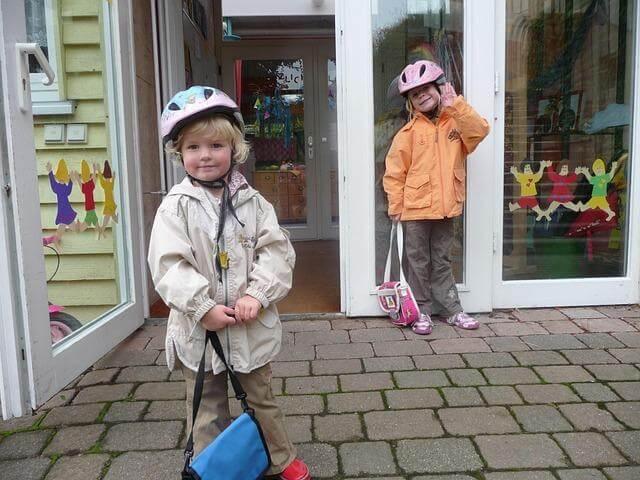
Preschool also gives children repeated practice with the social dynamics of a classroom, taking turns, listening while others speak, resolving small conflicts, and working alongside peers on shared activities. By the time kindergarten begins, children with that foundation tend to spend less energy on adjusting to the environment and more on actually learning within it.
The Role of the Community in Shaping Educational Priorities
Prospect is a community where families tend to be engaged and informed about their children’s education from an early age. That culture of involvement shapes what parents look for in early learning programs and raises the standard for what local providers are expected to deliver. When parents ask detailed questions, visit classrooms before enrolling, and stay involved throughout the year, programs respond by maintaining higher quality.
This dynamic works in your favor as a parent. When you choose a program in a community that takes early education seriously, you are also joining a network of families who share similar expectations. That shared commitment often shows up in the consistency of the program, the stability of the teaching staff, and the overall culture of the school.
What to Prioritize When Evaluating Your Options
If you are weighing preschool options in Prospect, focus on these key factors:
- Whether the program has a clear, articulated philosophy for early childhood learning
- How teachers are trained and whether they hold early childhood education credentials
- What the daily schedule looks like and how much time is devoted to child-directed activity
- How the school communicates with families throughout the year
- Whether current families speak positively about their experience when asked directly
These are the details that separate a program that looks good on paper from one that consistently delivers for children and families.
Investing Early for Lasting Results
Choosing a quality preschool program in Prospect is one of the most forward-looking decisions you can make for your child. The skills, habits, and confidence children build in those early years do not disappear when kindergarten starts. They carry forward, shaping how your child approaches challenges, relationships, and learning itself. Families who prioritize this stage are not just preparing their children for the next school year. They are laying the groundwork for everything that follows.