Dogs have a strange way of hiding discomfort. Some limp dramatically over a tiny thorn, while others quietly deal with real pain for weeks without making much noise at all. That’s part of instinct. In the wild, showing weakness can be risky. Even domesticated dogs still carry some of that behavior.
The problem is that many owners look for obvious warning signs only. Crying, whining, refusing to walk. But pain often shows up differently. A dog may sleep more, avoid stairs, hesitate before jumping onto the couch, or suddenly seem “grumpy” around people they usually love. Those little changes matter.
Here are four common causes of pain in dogs that often go unnoticed until the problem becomes harder to manage.
4 Signs That Your Dog Is In Pain
1. Joint Stiffness That Gets Mistaken for “Just Aging”
A lot of dog owners assume slowing down is simply part of aging. Sometimes that is true, but stiffness, hesitation, or reduced movement can also point to chronic joint discomfort that needs attention. Some owners start looking into supportive routines that include gentle exercise, weight management, and non-invasive options for pain relief for dogs after noticing these small but persistent changes at home.
The signs often appear subtly at first. A dog that used to jump into the car without thinking may suddenly pause or need extra time to stand after resting. Large breeds are especially vulnerable to arthritis, hip dysplasia, and inflammation around the joints, though smaller dogs can struggle with similar problems.
Products like the MedcoVet Luma are part of broader conversations around photobiomodulation in veterinary care, where red and near-infrared light are used to support pain management, circulation, tissue repair, and inflammation control as part of an at-home care routine for dogs and cats.
What makes joint pain difficult to catch early is how well dogs compensate for discomfort. Many quietly shift their weight, change posture, or avoid certain movements long before owners recognize there is a problem. Trouble climbing stairs, lagging behind on walks, sleeping more often, or repeatedly licking joints can all point to underlying pain. Even younger dogs can develop joint-related discomfort after injuries or repetitive strain, which is why these changes should not be brushed aside too quickly.
2. Dental Pain That Changes Behavior More Than Appetite
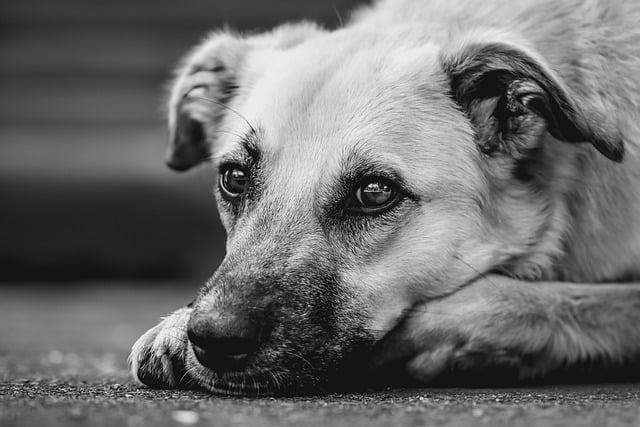
People expect dogs with dental pain to stop eating entirely. That does happen sometimes, but not always. Many dogs continue eating despite serious oral discomfort because instinct pushes them to keep going. Instead, the clues appear elsewhere. They may chew on one side of the mouth, drop food occasionally, paw at their face, or suddenly dislike having their head touched.
Bad breath can also be more significant than owners realize. Persistent odor is often linked to infection, gum disease, or decaying teeth. Small breeds tend to develop dental disease earlier, though it affects dogs of all sizes. Plaque buildup below the gumline can create inflammation that spreads deeper into the tissue over time. In advanced cases, infections may even affect the jaw or internal organs.
One of the more overlooked signs is irritability. A normally affectionate dog may pull away from attention or snap unexpectedly when touched near the face. Owners sometimes interpret this as a behavioral issue instead of recognizing the physical discomfort behind it.
Dental pain can also lead to quieter changes:
- Less interest in chew toys
- Drooling more than normal
- Preferring soft food suddenly
- Mild swelling near the mouth
- Rubbing the face against furniture
Dogs rarely make it obvious. That’s what makes routine dental checks so important.
3. Back and Neck Problems That Look Like Laziness
Some dogs stop jumping because they are stubborn. Others stop because it hurts. Spinal discomfort is surprisingly common, especially in long-bodied breeds like Dachshunds, Corgis, and Basset Hounds. Still, it can affect almost any dog after strain, injury, or age-related degeneration.
The difficult part is that back pain does not always present dramatically at first. Instead, the dog becomes cautious. They move differently. More slowly. They hesitate before climbing onto furniture they used to leap onto without thinking. Sometimes they yelp once and then seem fine afterward, which makes owners dismiss the incident completely.
But spinal pain tends to fluctuate. A dog may appear normal one day and stiff the next. Neck pain can be even harder to recognize. Dogs may avoid turning their head fully, hold their neck lower than usual, or resist wearing a collar. Some become unusually quiet because movement itself feels uncomfortable.
In mild cases, symptoms can look almost behavioral:
- Avoiding play
- Sleeping more
- Refusing walks occasionally
- Standing with a tense posture
- Acting withdrawn
Owners sometimes label the dog as “slowing down” or “moody” when the real issue is physical pain that comes and goes in waves. Weight gain can quietly worsen these problems too. Extra pressure on the spine and joints creates more strain over time, especially in less active dogs.
4. Hidden Paw Injuries and Nail Problems
Dogs rely on their paws constantly, but many owners barely inspect them unless the dog is visibly limping. That’s a mistake.
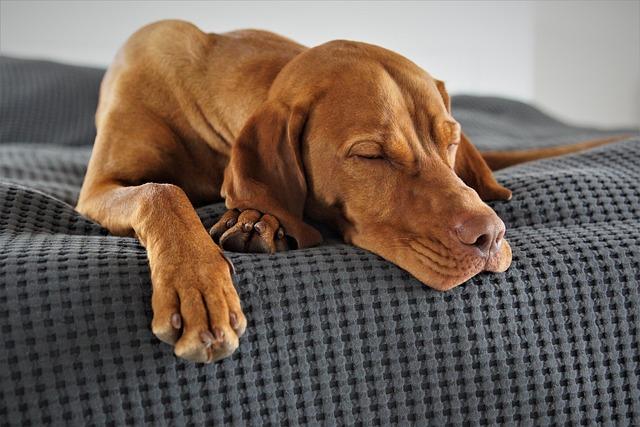
Tiny injuries between the paw pads can become extremely painful. Splinters, cracked nails, burns from hot pavement, cuts, embedded debris, or irritated skin often go unnoticed because dogs continue walking through the discomfort.
Some dogs lick their paws obsessively instead of limping. Others simply avoid putting full pressure on one leg for a few seconds at a time. It can be easy to miss if you are not actively watching.
Nail-related pain is another common issue. Overgrown nails change the way a dog distributes weight while walking, which can create discomfort that spreads into the legs and joints. Broken dewclaws are particularly painful and tend to snag repeatedly if untreated.
Seasonal conditions matter too. In hotter months, pavement temperatures can injure paw pads quickly. During colder weather, road salt and ice can irritate sensitive skin and create small cracks that sting with every step.
A few warning signs worth noticing:
- Excessive paw licking
- Sudden resistance to walks
- Holding one paw up briefly
- Redness between the toes
- Nails clicking heavily on hard floors
- Limping that comes and goes
Sometimes the injury itself is small. The pain is not.
A Simple Family Paw Check Activity
One of the best ways to catch hidden pain in dogs is by paying attention to small daily changes. This can also become a simple family activity where kids help care for the family pet in a safe and gentle way.
Set aside a few minutes each week for a “paw check.” Kids can help look for signs your dog is in pain by watching how the dog walks, sits, climbs stairs, or reacts to touch. Younger children can help brush the dog gently while adults inspect the paws, nails, ears, and joints.
You can even turn it into a checklist activity:
- Does the dog hesitate before jumping?
- Is there limping or stiffness?
- Are the paws red or irritated?
- Is the dog licking one area often?
- Has the dog been sleeping more lately?
This teaches kids how to recognize hidden pain in dogs while helping them build empathy and responsibility. It also helps families notice dog pain symptoms earlier before they become more serious.
Conclusion
Dogs are good at adapting. Better than many people realize. They often continue eating, walking, and playing even while dealing with significant discomfort. That adaptability can make pain harder to recognize until behavior changes become impossible to ignore.
The small shifts usually tell the story first. A slower climb upstairs. Less excitement during walks. Hesitation before jumping. Sleeping in unusual positions. Pulling away from touch.
None of those things automatically signal a serious problem. Still, they are worth paying attention to. Pain in dogs is not always loud. Quite often, it’s quiet, gradual, and easy to dismiss until it starts affecting everyday life in bigger ways.