Celebrations give families a chance to slow down and spend time together. Whether it is a birthday, the first day of school, losing a first tooth, finishing a big project, or even a weekly family movie night, these moments help children feel valued and connected.
Family celebrations do not need to be expensive or complicated. A backyard picnic for the last day of summer, a homemade award ceremony after a soccer season, or a pancake breakfast for a good report card can mean just as much as a big party. What matters most is involving kids in the process.
Children can help plan the theme, make decorations, write invitations, bake simple treats, or create a playlist. Younger kids can draw signs or set the table. Older kids can help cook, organize games, or lead a family activity. When children play an active role, they feel proud of what they helped create.
With a little creativity and teamwork, simple gatherings can turn into lasting family memories.
How Celebrations Boost Kids’ Confidence and Connection
Celebrations do more than mark a date on the calendar. They help children feel happy, supported, and connected to the people around them.
When families gather to celebrate, kids see that their achievements and milestones matter. It might be a birthday party, finishing a tough school project, or scoring their first goal in soccer. Planning milestone birthdays can be especially meaningful.
For instance, parents looking for creative 13th birthday party ideas for girls can turn the planning process into a shared project, allowing their child to help choose themes, decorations, and activities. These moments remind children that their interests and efforts are noticed and appreciated.
Celebrations also give kids a break from daily routines. Laughter, music, games, and shared meals create positive emotions that stick. During these times, emotional bonds strengthened through shared experiences help children feel safe and supported. Years later, they may not remember every detail of the day, but they will remember how it felt to be surrounded by people who cared.
Parents can make these moments even stronger by encouraging kids to share what they are proud of or what they learned. A short toast at dinner or a few kind words from family members can build confidence and emotional security.
When children feel celebrated, they feel valued. That sense of belonging is one of the most powerful gifts a family can give.
Turning Milestones into Meaningful Family Memories
Milestones give families natural reasons to celebrate. These are the moments that show growth and progress in a child’s life. They can be big events like graduations or small wins like finishing a first chapter book.
Without celebration, milestones can pass by quickly. When families pause to recognize them, those moments become lasting memories. A special dinner after learning to ride a bike or a handmade certificate for completing a school project can turn an ordinary day into something meaningful.
Parents can create simple traditions around these events. Take a photo in the same spot each year on the first day of school. Let your child choose the family meal on their birthday. Write a short note each year about what they learned or enjoyed most.
Over time, families become storytellers, weaving our own experiences into the memories we share around the dinner table. These stories help children see their own growth and feel proud of how far they have come.
Milestones are not just markers of age or achievement. They are opportunities to build confidence, connection, and family traditions that last.
Cultural Celebrations: Ties That Bind
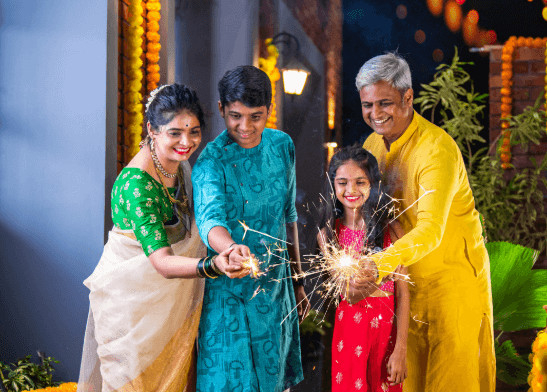
Cultural celebrations help children understand their roots. Holidays and traditions connect kids to their family history and teach them where they come from.
Whether your family celebrates Diwali, Eid, Hanukkah, Christmas, Lunar New Year, or another special holiday, these moments create strong connections across generations. Shared meals, music, stories, and customs help children feel part of something bigger than themselves.
Parents can make cultural celebrations hands-on and meaningful by involving kids in the preparation. Children can help cook traditional dishes, create decorations, learn simple songs, or listen to stories from grandparents. Older kids can research the meaning behind certain traditions and share what they learn with the family.
These shared experiences strengthen identity and belonging. They also create emotional bonds strengthened through time spent together. As children grow, they carry these traditions forward, keeping family values alive for the next generation.
Cultural celebrations are more than events on a calendar. They are opportunities to connect, learn, and grow together as a family.
How Small Celebrations Create a Big Impact on Family Memories
Celebrations do not end when the party is over. A good celebration has a ripple effect. The positive effects often continue long after the day itself.
When families celebrate together, children feel encouraged and supported. That confidence can carry into school, friendships, and new challenges. A child who feels noticed at home is more likely to take healthy risks and try new things.
Small celebrations can also improve family communication. Sitting down for a special dinner or sharing kind words during a toast creates space for connection. Kids learn how to express gratitude and celebrate others, not just themselves.
Even simple traditions like Friday movie night or a yearly backyard campout build stability. Children know they can count on these moments. That sense of routine and joy strengthens trust within the family.
Over time, these small celebrations shape how children see family life. They grow up remembering laughter, support, and shared effort. That ripple effect can influence how they celebrate with their own families one day.
Hands-On Celebration Activities and Projects for Kids
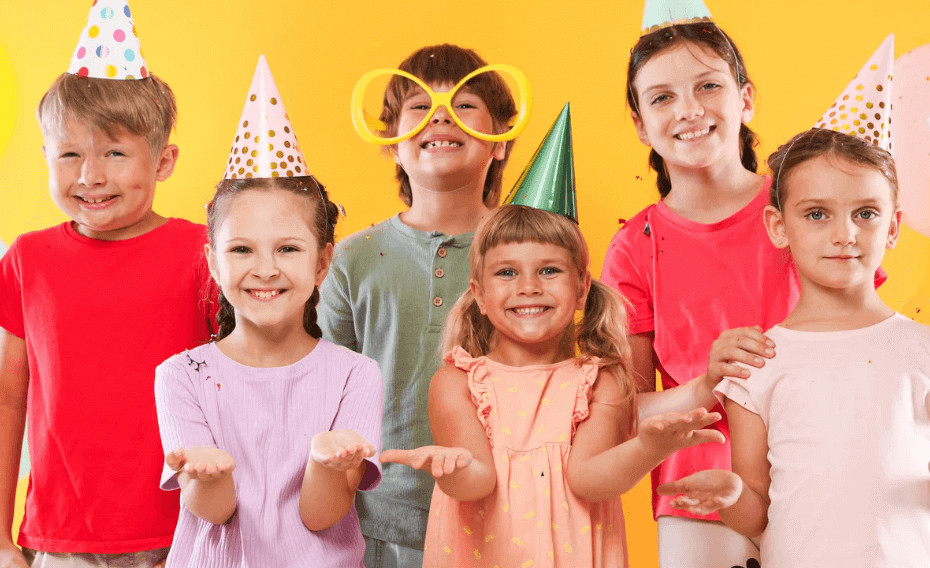
Celebrations become even more meaningful when kids help create them. Simple projects turn preparation into part of the fun.
Here are easy activities families can try:
DIY Celebration Banner
Have kids design a banner using paper, markers, and string. They can write messages like “You Did It” or “Happy Birthday.” This builds creativity and gives children ownership of the event.
Memory Jar
Place a jar on the table during a celebration. Ask each family member to write one favorite memory or kind message. Read them aloud at the end of the night, then save them for later. Over time, the jar becomes a collection of special moments.
Celebration Scrapbook Page
After birthdays or holidays, let kids create a scrapbook page with photos, drawings, and short notes about what they enjoyed most. This helps children reflect and strengthens storytelling skills. Using materials like scrapbook journal printer paper can make the activity even more fun and creative.
Homemade Awards
Create fun award certificates for achievements. Examples include:
- “Best Team Player”
- “Most Improved Reader”
- “Kindness Champion”
Kids can decorate their own certificates or help design awards for siblings.
Cultural Craft Projects
During cultural holidays, add a simple craft:
- Make paper lanterns for Lunar New Year
- Create handmade ornaments
- Design rangoli patterns with chalk
- Bake and decorate traditional treats together
Hands-on projects help children understand traditions while building fine motor skills and creativity.
When kids take part in planning and creating celebrations, they feel proud of their contributions. These small projects turn ordinary gatherings into shared accomplishments.
Conclusion
Celebrations are more than parties. They are chances to build traditions and strengthen family bonds. When parents involve kids in planning and preparing, they teach responsibility, creativity, and teamwork at the same time.
Start small. Create a “family cheer night” after big achievements. Host a yearly backyard campout. Celebrate cultural holidays with hands-on crafts and shared meals. Mark milestones like learning to ride a bike or finishing a chapter book with a special dinner chosen by your child.
These simple traditions help children feel seen and supported. Over time, they become the stories your family tells again and again. The goal is not perfection. It is connection, shared effort, and meaningful time together.