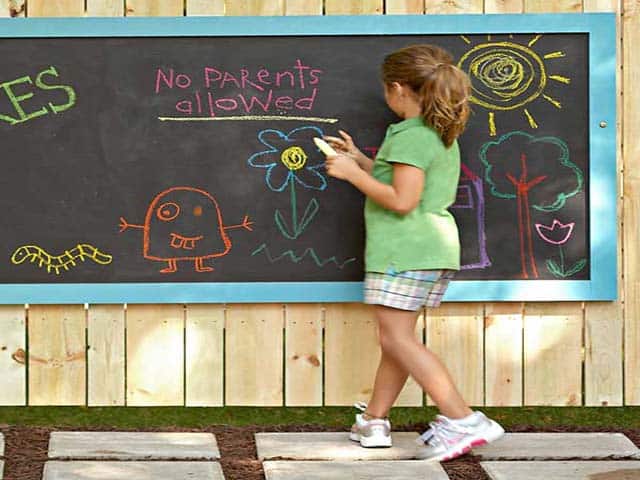
In our house, creativity is part of everyday life. One afternoon, we might be building something out of cardboard, and the next we’re putting on a small “show” for the family. I’ve learned that these playful moments do more than keep kids busy. They help them create something of their own and feel proud of it.
That sense of accomplishment is where confidence begins. When kids try something new, practice a skill, and share the result with others, they begin to believe in their abilities. Magic and performance camps build on that same idea. They give children a place to explore creativity, practice new talents, and gain confidence while having fun with other curious kids.
The Link Between Creative Performance and Confidence
Confidence grows through experience. Each time a child learns a new skill or completes a challenge, they build trust in their abilities.
Creative performance activities are perfect for this. When kids prepare a magic trick or rehearse a small performance, they go through a process that includes learning, practicing, improving, and finally presenting their work.
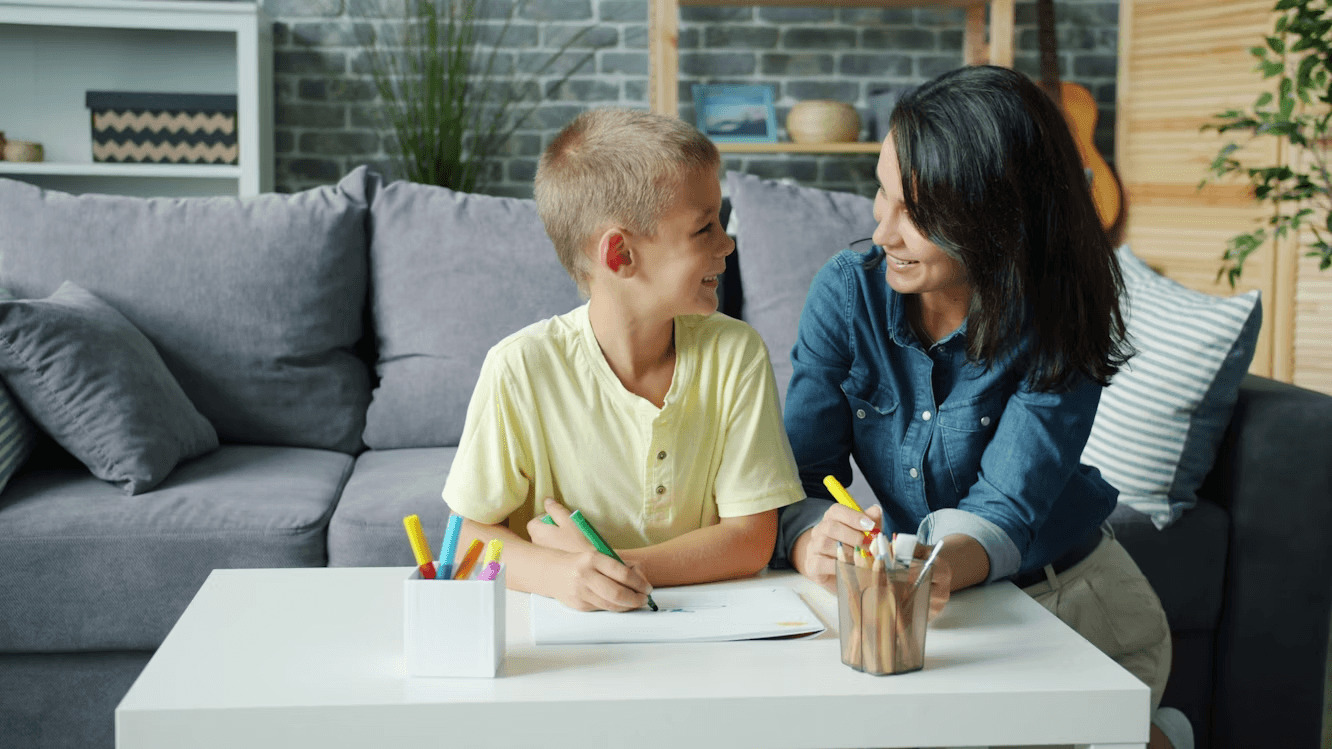
Along the way, they experience several confidence-building moments:
● Trying something new and seeing it work,
● Improving a skill through practice,
● Sharing their work with others,
● Receiving encouragement and positive feedback.
Another important element is that performance allows children to see their progress in a visible way. A trick that once felt difficult suddenly works smoothly. A routine that felt awkward becomes polished with practice. These small improvements give kids a sense of momentum and motivate them to keep learning.
Over time, the feeling of growth strengthens their confidence not only in creative activities but in many other parts of their lives.
Magic as a Hands-On Learning Experience
Magic is often the activity that instantly captures a child’s imagination. A simple trick can feel amazing to watch, but learning how it works is even more exciting.
Behind every trick is a mix of creativity, careful practice, and a little bit of problem-solving. Kids quickly discover that magic is not just about fooling an audience. It is about learning how to present something in a fun and engaging way.
As children practice magic, they develop skills that feel surprisingly similar to building or crafting projects:
● Learning how props work,
● Practicing precise movements and timing,
● Creating a short routine to tell a story,
● Thinking about how to entertain an audience.
The process is playful, but it also teaches patience and focus. When a trick finally works smoothly, kids feel a genuine sense of accomplishment.
The Power of Learning in a Camp Environment
Creative activities at home are wonderful, but camps offer something extra. They give kids a chance to learn alongside others who are just as curious and excited.
In a camp setting, children see that everyone is experimenting, practicing, and improving together. This supportive environment makes it easier to try new things without worrying about getting everything perfect right away.
Many specialty camps combine structured lessons with plenty of room for creativity. Campers can focus on learning new techniques while also enjoying the energy of group activities and performances.
For families interested in creative performance programs, a magic summer camp for kids offers experiences that blend imagination, skill-building, and stage performance. In a setting like this, kids not only learn new tricks but also build confidence as they practice and share their creativity with others.
Skills That Grow at Magic and Performance Camps
Magic and performance camps may look playful on the surface, but they help kids develop meaningful life skills. As children practice tricks, prepare routines, and perform for their peers, they learn how to express themselves and work through challenges. These experiences support both creative growth and personal development.
Some of the skills kids often develop include:
● Public speaking and stage presence,
● Creative storytelling,
● Problem-solving and critical thinking,
● Focus and attention to detail,
● Collaboration and teamwork.
Each of these abilities contributes to a child’s confidence. When kids realize they can learn something new and share it with others, they begin to feel more comfortable stepping into new situations.
From the Stage to Everyday Life
Standing in front of an audience might sound intimidating at first, but for many kids, it becomes one of the most exciting parts of the experience. Performance encourages children to turn practice into something meaningful. When they see an audience smile, laugh, or applaud, they understand that their effort has paid off.
These moments help children develop skills that support them in many areas of life, such as:
● Communicating clearly,
● Staying calm when feeling nervous,
● Adapting when something unexpected happens,
● Supporting friends who are performing as well.
Over time, these experiences shape how children see themselves. A child who performs a magic trick in front of others today may grow into a confident student who enjoys sharing ideas and trying new challenges.
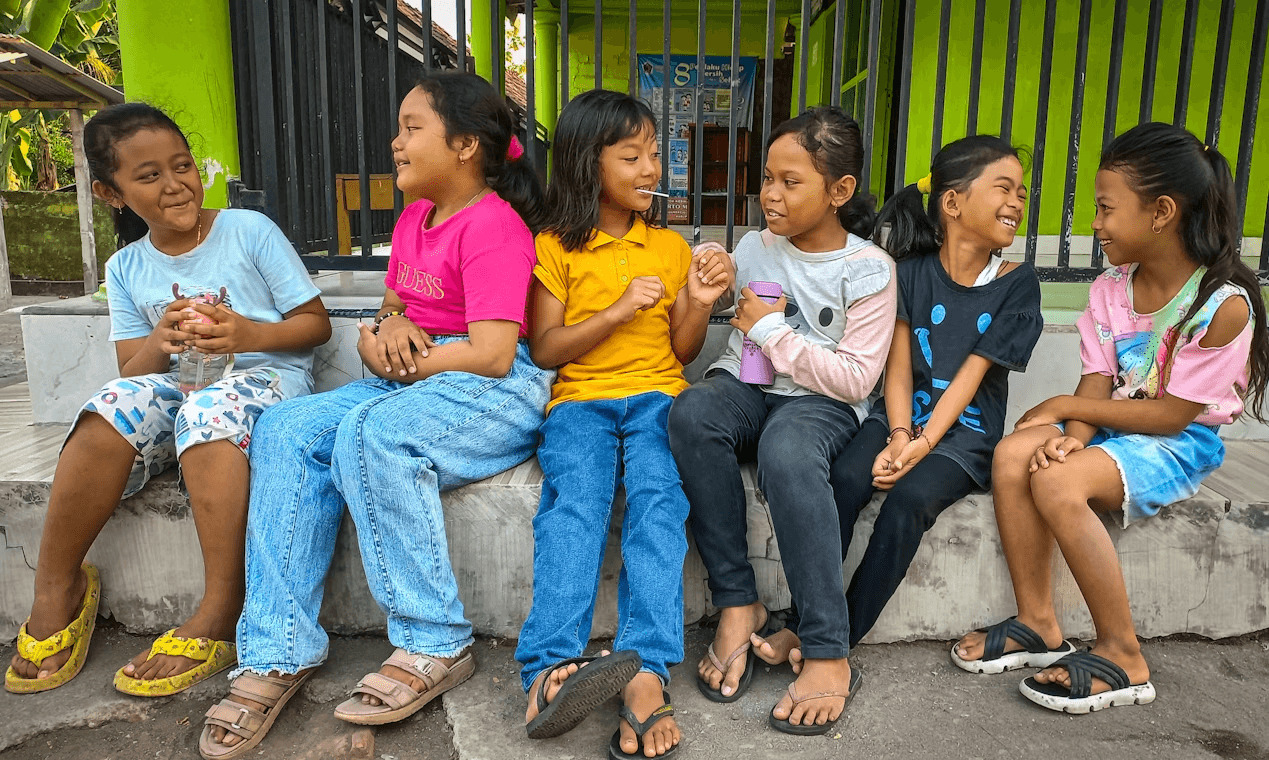
Performing also helps children learn how to handle both excitement and nerves healthily. They begin to understand that feeling a little nervous is normal before stepping on stage. With preparation and encouragement, that nervous energy can turn into enthusiasm and focus.
Creativity That Builds Confidence
When I spend time building projects and creating activities with kids, I’m reminded how powerful creativity can be for their growth. Activities like magic and performance give children the chance to turn imagination into something real.
As kids practice, perform, and share what they’ve created, they begin to discover their own strengths. I’ve seen how those moments of success can spark curiosity and help children believe more in what they can do.
For families looking to encourage creativity and personal growth, performance-based camps can provide an inspiring next step. They offer an environment where kids explore new interests, connect with others, and continue building the confidence that often starts with simple creative experiences at home.