Some kids can draw a monster, a treehouse, or a flying dog without thinking twice. Ask them to write a story, though, and the ideas can disappear fast.
A character passport gives them an easier way in. They don’t have to start with a beginning, middle, and end. They start with one imaginary person. What’s their name? Where do they live? What do they carry around? What do they want? What are they hiding?
Once kids answer a few small questions, the blank page feels a lot less blank.
What Is a Character Passport?
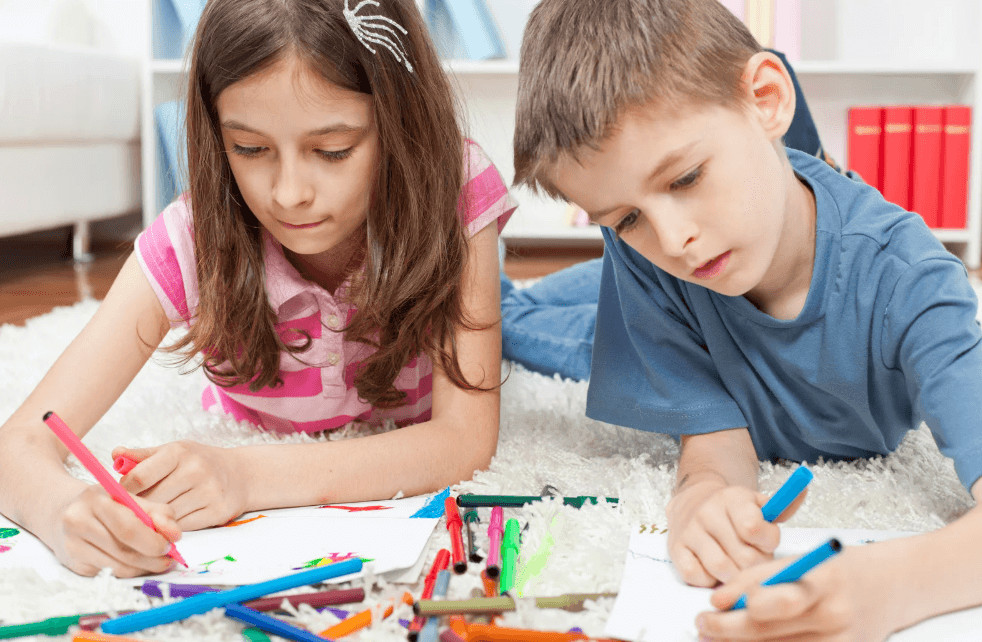
A character passport is a simple profile for someone your child makes up. It can be a folded sheet of paper, a small booklet, or a few index cards clipped together.
One page might have the character’s name, age, and hometown. Another might show their family, favorite food, pet, secret talent, or biggest problem. Kids can add drawings, stickers, maps, stamps, or tiny notes in the margins.
There are no strict rules. The passport just gives kids something to build before they write. A character with a strange pet, a lost key, or a made-up country is already halfway to a story.
What You’ll Need
Keep it easy. Paper, index cards, crayons, markers, stickers, glue, scissors, and old magazines all work well.
A used envelope can become a pocket for clues. A scrap of wrapping paper can turn into a map. Stickers can become passport stamps from places that don’t exist. If the pages are crooked or messy, that’s fine. A little mess usually means the ideas are moving.
The goal is not to make a perfect craft. It’s to help kids see their character clearly enough to wonder what might happen next.
Start With a Name and a Place
Begin with two simple choices: the character’s name and where they come from.
Some kids will pick a name right away. Others may want the place first. Is the character from a snowy village, a busy apartment building, a farm, a castle, a beach town, or a planet with two moons? Once the setting is clear, the name often starts to feel easier.
If a child is making a character from a Russian-speaking family, Russian names can help them notice sounds and naming patterns they might not come up with on their own. Older kids may also find that Russian naming customs can show family connections, respect, and everyday ways people address each other.
After the name is chosen, add a hometown. It can be real, invented, or a mix of both. A quiet street with one blue door, a village near the woods, or an apartment above a bakery can tell kids a lot about who their character might be.
Add the Little Details
Names and places are a good start, but the small details are what make a character fun to use.
Ask questions your child can answer quickly. What is always in their pocket? What food would they never share? What noise makes them jump? What rule do they break when no one is looking? What do they want more than anything?
The answers don’t need to be serious. A lucky button, a broken compass, a sandwich wrapped in foil, or a note with no name on it can all lead somewhere. Kids often find the story by playing with those odd little clues.
Draw the Character’s World
Now give the character a place to move around.
Kids can draw a bedroom, classroom, neighborhood, forest path, kitchen, treehouse, or tiny town. The drawing doesn’t need to be neat. A crooked map can be more interesting than a perfect one.
A locked shed behind the house raises a question. So does a bridge no one crosses, a garden gate that opens by itself, or a train station that is always empty. Once kids can see the world, they usually start asking what happens there.
Turn the Passport Into a Story
When the passport has a few good details, ask your child to choose one and build a tiny scene around it.
Maybe the character loses the object in their pocket. Maybe someone else wants their secret. Maybe they break a rule and have to fix what happens next. A few creative writing prompts for kids can help if they need a small push, but the passport itself should do most of the work.
Keep the first story short. Three sentences count. So does one comic panel, one diary entry, or one illustrated page. The point is to get the character moving, not to finish a whole book.
Make It a Family Game
This project works well with siblings, friends, or parents joining in.
Each person can make a passport, then trade with someone else. The next person adds a problem, a drawing, a clue, or a short scene. Younger kids might act out the character with a scarf, hat, or homemade badge. Older kids might add a family tree, a diary page, or a second passport for a best friend or rival.
The story gets more surprising when more than one person adds to it. Kids also get to see how the same character can grow in a direction they didn’t expect.
Save It for Later
A character passport does not have to be finished in one sitting. Kids can tuck it into a drawer and bring it back another day. They can add new stamps, change the map, invent a cousin, or send the character on a new adventure.
That’s the nice thing about starting with play. Kids make something first, then the writing has somewhere to go. The passport gives them a person, a place, and a few sparks. The story can grow from there.