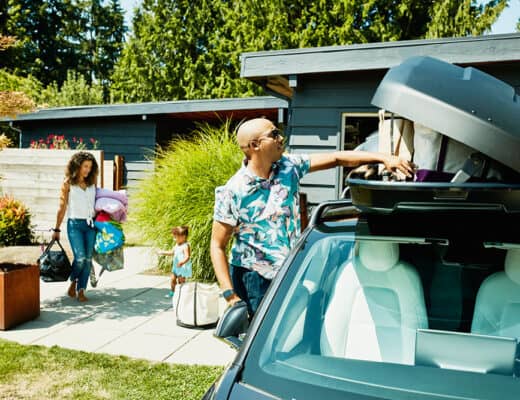
A good family road trip schedule includes stops that solve problems before everyone gets tired, hungry, or restless. Instead of treating each break as a quick dash into a convenience store, plan a few stops that give children room to move and adults time to reset the vehicle. Some breaks can even become memorable parts of your family road trips.
The best options depend on your route, your children’s ages, and how much gear you’re carrying. These practical ideas will help you choose stops that make the next stretch of driving easier.

Image Credit: Unsplash
Rethinking the Classic Break on Family Road Trips
Plan your main breaks before leaving home, then keep enough flexibility to stop earlier if the kids need it. A useful starting point is one break every two hours, with shorter intervals for toddlers who need diaper changes or younger children who struggle with long periods in a car seat. The family road trip tips from Britax also emphasize planning stops and keeping necessities within reach.
Decide how many hours of driving your family can realistically handle in one day before you book anything. Many families do better with a shorter driving day and an overnight stop than with one long push, especially with babies and toddlers. Build the break plan around that number, and treat the drive time shown in a map app as a minimum, since every stop adds to it.
Look beyond highway service areas when you map the route. A public park five minutes from an exit may offer restrooms, picnic tables, and open space for the same amount of time you would spend waiting in a crowded food court. Libraries can work well on hot or rainy days, especially when they have children’s rooms. Visitor centers often provide clean facilities, local maps, and staff who can point you toward a nearby playground.
Give each planned stop a job. One might be for lunch and active play, while the next is for fuel and a quick restroom visit. A longer afternoon break can include a short walk before everyone returns to the car.
Let the kids help choose at least one stop. Show older children two or three park or playground options on a map and let them vote, or ask younger ones whether they would rather have a picnic by the water or a stop at a playground. Having picked the stop themselves gives them something specific to look forward to during the drive.
Try to avoid making every break dependent on buying something. Pack a picnic lunch or snacks so you can stop wherever the family has enough room to stretch. This also helps you leave when everyone is ready instead of waiting for an order during a busy travel period. For more ideas on timing, entertainment, and food, this stress-free road trip guide offers a useful planning framework.
Unburden Your Vehicle at Transit Hubs
A packed vehicle can become frustrating during a multi-stop trip. Bags block access to snacks, jackets disappear beneath suitcases, and every roadside stop turns into a search. If your itinerary combines driving with train travel, a ferry ride, or several hours of sightseeing, temporary luggage storage can give your family more room to move.
Start by identifying the items you won’t need during a particular part of the day. Large suitcases, extra shoes and bulky travel equipment can often stay stored while you explore a city center or wait for accommodations to become available. Keep medication, identification, valuables and a change of clothes with you.
This approach is especially helpful when traveling with kids, particularly if there’s a long gap between connections. For example, a family visiting the Scottish Highlands might have a few hours to explore Inverness before continuing their journey. Rather than carrying heavy bags while keeping up with the kids, parents can check top luggage storage Inverness options ahead of time to find a convenient place to leave their belongings. With bags safely stored, the family can enjoy a walk, grab something to eat, or explore the city before heading to their next stop.
Measure your bags and confirm opening hours before choosing a location. Allow enough time to retrieve everything without rushing to the next departure. It also helps to take a quick photo of stored items so you can confirm that every piece has been collected.
Experienced travelers often share detailed packing lessons in family travel communities. This family vehicle discussion shows how quickly space becomes a practical concern when five people take an extended trip. Less clutter also makes it easier to spot forgotten water bottles and toys before leaving a stop.

Image Credit: Unsplash
Turning Layover Windows into Mini Hikes
A 45-minute layover is enough time for a purposeful walk if you choose the location in advance. Search for paved loops, riverside paths, botanical gardens, and short nature trails close to your route. Check the distance from the parking area, restroom availability, and current opening hours before adding a trail to the schedule.
Keep the outing small. For most families, a half-mile loop with something interesting to see works better during a travel day than an ambitious trail. Give children a simple mission such as finding three leaf shapes, spotting a bridge, or counting birds. Younger kids may enjoy collecting colors with their eyes, while older children can take photos or follow the route on a printed map.
Weather and daylight should guide the final decision. Pack hats and sunscreen where you can reach them, and carry water even on a short walk. If rain makes the trail muddy, use a paved downtown loop or covered public market as the backup plan. Families traveling with a stroller should check surface details instead of relying only on a trail’s distance rating.
Movement can continue during a picnic stop too. These classic outdoor summer games offer easy ideas when there’s a patch of grass but no suitable trail nearby. A quick round of tag or a simple running game may be all children need before another hour in the car.
Set a firm turnaround time using your phone alarm. Return to the vehicle with 10 to 15 minutes available for restrooms, hand washing, and seat belt checks. That buffer keeps a refreshing walk from creating stress at the next reservation or departure.
Keep Road Trip Essentials for Kids in a Single Grab Bag
Pack one small bag that comes out at every stop, then place it somewhere an adult can reach without unloading the trunk. A backpack or zip-top tote works well because it can move from the car to a picnic table, restroom, or walking path. Use small pouches inside it so you aren’t digging through loose items beside the road.
Include only the things your family regularly needs during two hours:
- Refillable water bottles and simple snacks
- Wipes, tissues and hand sanitizer
- A basic first-aid kit and any required medication
- One change of clothes for each young child
- Sunscreen, hats and light rain layers
- A few quiet activities and charging cables
- Waste bags for wet clothes or snack wrappers
Choose activities that don’t contain many tiny pieces. Reusable sticker books, drawing boards, audiobooks, and magnetic puzzles are easier to manage than crafts that can spill between seats. The happy kids in cars suggestions from Farm Bureau Financial Services include several entertainment ideas that can help break up long driving periods.
Match the activity to the child’s age. Toddlers tend to do best with short, repeatable things such as board books, soft toys and sing-along songs, while older children can handle audiobooks, car bingo and simple drawing games. Teenagers often prefer playlists, podcasts or a turn at choosing the next stop. Save one new item for the second half of the day, when the usual favorites start to lose their appeal.
Restock the grab bag each evening. Replace eaten snacks, refill water, and move dirty clothes to the main luggage. Older children can take responsibility for one category, such as checking the activity pouch or collecting empty containers.
Keep a second, very small cleanup kit near the driver’s seat with wipes, paper towels and waste bags. That kit handles spills while the main bag remains ready for the next stop. Before pulling away, use a quick family check: people, phones, water bottles, and bags. It takes less than a minute and can prevent an unwanted return trip.
The smartest pit stop is often the one where everyone walks for 20 minutes, finds the exact item they need, and gets back into an uncluttered vehicle. Mark two promising parks or short trails on your route before departure, and your breaks will already have more purpose than the nearest highway exit can offer.