At one point of toddlerhood, your sweet child will suddenly decide that anything green is “icky.” One day they love bananas. The next day? Absolutely not. Welcome to life with picky eaters. It can catch you off guard. Especially since you just want them to eat well and grow strong.
Mealtimes start to feel tense. You offer something healthy. They push it away. Cue the drama. Maybe even a few tears. You worry they’re not getting what they need. Sneaky strategies go a long way. Here’s how to guide them toward healthier choices in fun, clever ways.
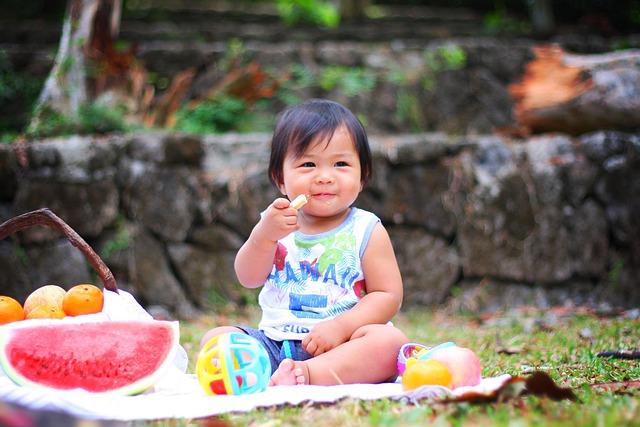
- Make the Presentation Fun
Toddlers decide if they like food with their eyes first. If it looks boring, it’s already out. So, this trick buys a few extra seconds of curiosity. Cut veggies into shapes they actually recognize. Circles. Hearts. Even stars if you have the knife skills for it. Slice fruit in a fancy way, too. Nothing complicated. Just enough to make the plate feel playful instead of plain.
That small visual change does a lot. Kids who usually push food away tend to pause when something looks interesting. A cucumber suddenly feels like something new instead of “that green thing again.” You are not changing the food itself. Just how it enters their attention.
Eat the Same Foods Together
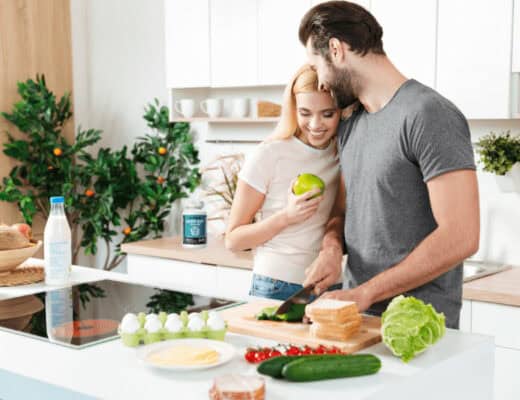
Little kids love to copy what their parents are eating. If it’s on your plate, they get curious. If you look relaxed eating it, they relax too. So, sit down and eat with them when you can. Same table. Same timing. Same food, if possible.
Say you’re having scrambled eggs for breakfast. Serve yourself first. Let them see you take a bite before they touch theirs. During snack time, grab apple slices too instead of just handing it over. They’ll hesitate less because mommy’s eating the same thing. To them, mealtime will feel like joining in on what you’re already doing.
Use Familiar Favorites as a Bridge
Toddlers warm up faster when something familiar is already on the plate. That one safe food acts like a comfort zone. Then, gently add something healthy next to it. No mixing needed. No pressure to combine. Just pair a favorite with a small, healthy side.
If they always reach for plain yogurt, keep that. Then, add a few fruit slices beside it. Or if they love toast, keep it on the plate. Then, top it with some scrambled eggs. They might ignore the healthy bits for a while. But one day, they’ll pick it up. Like it was always part of the meal.
Another way this works is by borrowing “food patterns” they love. Toddlers don’t just like taste. They like structure. Let’s say your kids really enjoy s’mores. Crunchy, soft, and sweet layers. Copy that idea in a healthier way. Make a snack with crackers, yogurt, and fruit stacked the same way. It feels familiar. Even if the ingredients are different. That makes new foods feel less intimidating.
Don’t Label Foods as “Healthy”
When toddlers hear the word “healthy,” they get suspicious. Like you just announced a rule. Or a trap. They associate that word with veggies they don’t like. So, skip the label altogether. Just serve it like it’s normal everyday food on the table.
No need to point out the carrots like it’s a big achievement. Just put it there next to whatever else they’re eating. Serve cucumber sticks next to their usual sandwich without saying anything. Put some fruit slices next to their animal crackers. If they ask what it is, tell them without making a fuss. Then, move on. The less attention it gets, the less resistance it will trigger. Over time, they stop ranking healthy food as “good” or “bad.” It all just becomes food.
Frame Healthy Snacks as Treats
Toddlers love sweet treats. Say you’ve got a “treat,” and they’re already interested. Use that excitement to guide them toward healthier snacks.
If your child loves candy, give them a healthier alternative. Maybe some delicious dried fruit snacks for toddlers. Serve it in a container they usually associate with snack time. Dried fruit has that same sweet taste your kid enjoys. So, it feels like a treat. Even if it’s actually packed with nutrients.
Keep your tone light. No big explanation about it being healthy. Just, “here’s your treat.” They think they’re getting something special. You know they’re munching on something good for them.
Let Them “Help” in the Kitchen
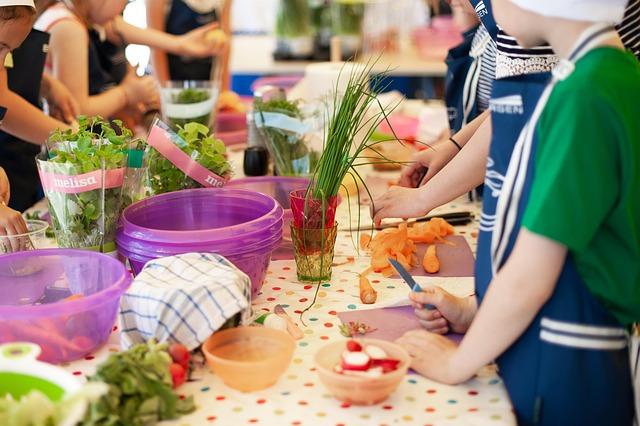
Toddlers love being part of what’s happening. So, let them join in on whipping up something healthy in the kitchen. Stick with easy recipes so they can follow. Think yogurt bowls. Maybe some colorful fruit plates. Recipes they can actually take part in without getting overwhelmed.
Let them do small jobs. Pour the yogurt. Arrange the fruit slices in a pretty way. Stir slowly. It gets messy sometimes. But that’s fine. It’ll be worth it. Once they help make it, they’ll be way more curious about tasting it because it feels like it’s theirs.
Conclusion
Feeding toddlers takes a bit of creativity most days. The ideas above can help make healthy food more fun. Veggies in silly shapes get their attention. Healthy snacks framed as treats get them excited. Letting them help in the kitchen pulls them closer to what ends up on their spoon.
When the pressure drops, little kids stop fighting each bite. They start picking at things they once refused. Some days still go sideways. But there’s less of the usual standoff at the table. Keep at it. And one day, the same picky eater who said “no veggies” will be asking you to pass the broccoli.