Bringing a puppy into the family is one of the most joyful and chaotic experiences a household can share. For children, it’s a source of endless excitement, curiosity, and often unexpectedly valuable life lessons. Puppies aren’t just fluffy companions; they are four-legged teachers in disguise. From early mornings to impromptu messes, the daily responsibilities of puppy care introduce kids to a structured world of empathy, consistency, and maturity.
Let’s explore how raising a puppy helps kids develop commitment, patience, and daily care habits that can last a lifetime.
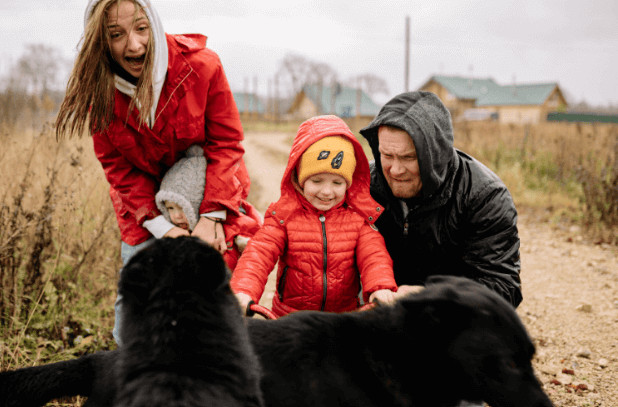
Image by Yan Krukau on Canva
Building Commitment Through Consistency
Commitment isn’t something you can teach overnight. It’s a quality that forms through daily decisions and long-term responsibility. These are two elements that owning a puppy naturally involves.
When a child agrees to help care for a dog, they’re taking on a role that requires consistent follow-through. Puppies need to be walked, fed, played with, and comforted. Unlike toys or games, a dog doesn’t get shelved when interest fades. This ongoing need for attention provides a real-world lesson in sticking with something even when it’s inconvenient or tiring.
What makes this experience so formative is that it introduces kids to the idea that commitment involves effort, showing up every day, rain or shine, happy or cranky. Over time, these tasks help build a strong sense of responsibility that can extend to schoolwork, relationships, and future jobs.
Teaching Patience, One Chewed Shoe at a Time
Anyone who’s raised a puppy knows they don’t come pre-programmed with manners. They chew furniture, bark at shadows, and have a knack for making messes right after you’ve cleaned. While this may be stressful for adults, it’s a golden opportunity for kids to learn patience.
Training a puppy requires calm repetition and the ability to wait for results. Be it housebreaking or teaching a pup to sit, kids quickly realize that yelling or getting frustrated doesn’t speed things up. Instead, they must stay calm, adapt, and repeat instructions until they finally click.
These experiences help children internalize the concept that growth in a pet, a skill, or themselves takes time. It’s a lesson that carries over into school, and even friendships.
Developing Daily Care Habits
Caring for a puppy is not a once-a-week event. It’s a daily practice. This routine is an excellent introduction to structured living, especially for younger children who may not yet have many responsibilities.
Tasks such as feeding the dog at set times, refilling the water bowl, brushing the coat, and cleaning up after accidents reinforce the importance of regular care. It teaches children that living beings thrive on structure and consistency. Even simple chores like these help create a rhythm in a child’s day, grounding them with purpose and predictability.
As families prepare to welcome a puppy, choosing the right source matters just as much as preparing the kids for daily care. Many parents look for adoption platforms that prioritize health, transparency, and responsible breeding practices. For example, families who shop for Cavapoos available from HonestPet can review breeder standards and health information before making a decision. Taking time to choose a well-raised puppy helps set everyone up for success and makes the transition into family life smoother.

Strengthening Empathy Through Connection
Perhaps the most beautiful lesson of raising a puppy is the empathy it builds. Dogs express needs in subtle ways, with whines, pawing, or a simple gaze. Learning to interpret these signs helps children become more attentive and emotionally aware.
Kids begin to notice when the puppy is scared during a thunderstorm or tired after playtime. They learn to adjust their behavior, becoming gentler or quieter depending on the dog’s needs. This kind of sensitivity can make children more compassionate in their human relationships, too.
Because dogs respond with affection, loyalty, and trust, children also experience what it feels like to be needed and loved. This reciprocity can be powerful for a developing emotional world, reinforcing positive behavior through connection and care.
Fostering Family Collaboration
Raising a puppy isn’t a solo endeavor. It brings families together in ways few other responsibilities do. Coordinating walks, bath schedules, vet appointments, and even who handles cleanup fosters communication and teamwork.
Children learn to negotiate roles and adapt when someone forgets their turn. It’s a crash course in cooperation and flexibility, skills that serve well in classroom group projects and, later, in the workplace.
Parents can also model resilience and grace when things don’t go as planned, like when the puppy chews through a phone charger or has an accident in the hallway. These real-life situations provide teachable moments where kids see how adults handle stress and move forward with important life lessons in their own right.
Conclusion: A Partnership That Shapes Young Lives
Getting a puppy is rarely just about adding a pet to the family. It’s a formative experience that shapes how children view responsibility and compassion. Through countless small actions and playing, kids develop habits and values that stay with them well into adulthood. By supporting your child in this journey, you’re raising a happy, healthy dog and you’re nurturing a young person who’s learning to care for others and face challenges with empathy and perseverance.