Teaching young minds to connect letters with their corresponding phonemes is often a complex challenge for early childhood educators. Children need engaging, multisensory tools to grasp abstract phonetic concepts quickly. Incorporating interactive, tactile elements can instantly capture a child’s attention and maintain their focus during literacy blocks. Integrating auditory feedback directly into reading lessons transforms standard memorization into an interactive experience.
Utilizing physical, pressable tools brings tactile engagement to the forefront of literacy education. This approach shifts passive listening into active participation, locking in phonetic awareness with every press. Understanding the mechanics behind these auditory learning tools provides educators with practical, research-backed classroom strategies.
Why Auditory Tools Accelerate Reading Skills
Children absorb information much faster when multiple senses are activated simultaneously in the classroom. When a child presses a physical object and hears an immediate sound, it helps build a strong cognitive link between the tactile action and the target phoneme. This tactile reinforcement makes letter combinations significantly easier to remember.
Incorporating engaging auditory materials can significantly enhance the effectiveness of daily reading sessions. Educators frequently search for effective sound buttons for learn Phonics, finding resources like Sound Buttons Lab highly useful here. By pressing devices, young learners instantly hear correct pronunciations. This immediate auditory feedback loop helps prevent improper pronunciation habits from taking root.
How to Implement Interactive Audio in Lessons
Introducing tactile devices into your curriculum requires a structured approach to ensure maximum student engagement. Mapping out specific activities ensures that these tools serve a clear educational purpose rather than just functioning as playthings. Consider these practical methods for your daily classroom:
Blending Sounds Together
Blending isolated phonemes into complete words is much simpler with physical interactions. Place three devices in a row, representing a consonant, a vowel, and a consonant. The child presses each button sequentially, hearing the individual phonemes before verbally blending them into a complete CVC word.
Identifying Beginning Letters
Recognizing the initial sound of a word is a foundational literacy milestone. Record words starting with different letters onto separate devices. Ask the student to press one and identify the starting letter. This targeted practice strengthens early phonetic recognition quickly and builds lasting reading confidence.
Segmenting Syllables Effectively
Breaking larger words into manageable syllables helps children tackle complex vocabulary without frustration. Program devices with distinct syllable sounds. The learner taps them to reconstruct the whole word. This methodical separation allows students to better comprehend word structures and develop stronger decoding skills.
What the Science Says About Tactile Learning
Many assume that incorporating gadgets makes students passive observers. However, educational research indicates the opposite is true. According to research published by the National Institutes of Health, physical interaction during educational tasks activates motor memory pathways. These pathways cement new information deeper than visual observation alone.
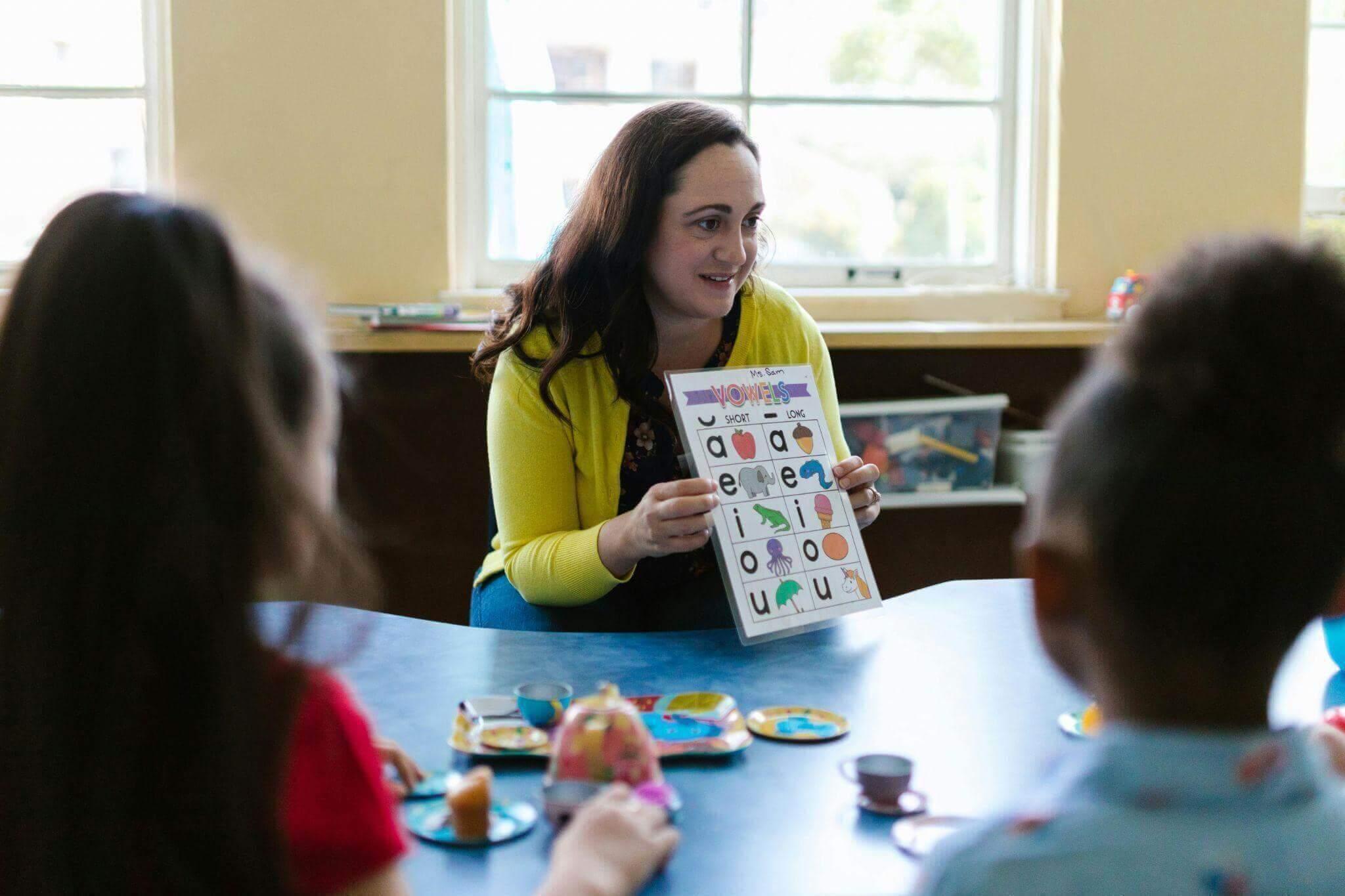
Consider a kindergarten classroom struggling with vowel recognition. The teacher introduced interactive audio tools, assigning a specific device to each short vowel. Within two weeks, the students’ accuracy improved dramatically. Linking the physical action of pushing a button to the resulting sound helps solidify abstract phonetic concepts in a learner’s working memory.
Where to Find Quality Audio Resources for Classrooms
Identifying reliable sources for educational materials ensures that your investments yield measurable results. Publicly funded educational portals often provide comprehensive lists of vetted classroom tools. For example, guidance from the Department of Education frequently highlights the importance of multisensory materials for foundational early literacy programs.
You don’t always have to spend a fortune to equip your learning environment effectively. Organizations dedicated to childhood development, such as Reading Rockets, offer excellent frameworks for integrating interactive technology. Repurposing standard recordable office devices also provides an affordable alternative for teachers on tight budgets.

When to Assess Student Progress with These Devices
Evaluating phonetic mastery requires consistent and strategic observation during these interactive sessions. Instead of relying solely on formal testing, watch how children interact with the audio cues independently. A student confidently pressing multiple devices to blend a word demonstrates genuine comprehension rather than rote memorization.
Implement a practical tracking system by keeping observational checklists or anecdotal records during their daily practice. Reviewing these short videos allows you to pinpoint exact phonetic struggles accurately. This immediate, actionable data allows you to proactively adjust your instructional focus for upcoming reading groups.
Frequently Asked Questions About Teaching Phonics
How do educators prevent classroom noise from becoming an issue?
Establishing clear guidelines solves the noise issue immediately. Instruct students to use the tools only during designated small-group centers rather than whole-class instruction. You can also place small felt pads underneath the devices to muffle vibrations and keep the overall volume at a manageable level.
Can older students benefit from tactile auditory tools?
Absolutely. While primarily used for early learners, older students struggling with reading interventions respond exceptionally well to this approach. The physical interaction helps bypass traditional learning barriers, offering a fresh, non-intimidating way to review complex vowel teams and challenging digraphs effectively.
What happens if a child relies too heavily on the audio?
The goal is progressive independence. Once a student consistently identifies the correct sound using the tool, simply remove the battery. The child will still press the physical object out of habit, but their brain will begin recalling the phoneme from memory instead of relying on the recording.
Are pre-recorded options better than user-recordable ones?
User-recordable models offer far superior flexibility for targeted education. Pre-recorded versions lock you into specific vocabularies that might not match your curriculum sequence. Recording your own voice ensures the dialect matches the students’ environment exactly, which prevents confusion during early letter-sound acquisition.